Hospital Price Variation Online Phone Transparency
Hospital price variation online phone transparency: Navigating the healthcare system often feels like deciphering a secret code, especially when it comes to understanding the cost of care. This post dives into the murky world of hospital pricing, exploring the discrepancies between online price lists and what patients are actually quoted over the phone. We’ll examine the current state of online transparency initiatives, the role of technology in improving access to information, and the frustrating experiences of patients trying to get a clear picture of medical costs.
From inconsistent online price displays to wildly varying phone quotes, the lack of transparency in hospital pricing creates a frustrating and often unfair system for patients. We’ll analyze the reasons behind these inconsistencies, explore technological solutions that could improve the situation, and discuss the crucial need for stronger regulations to protect patients and promote fair pricing practices. Get ready to uncover the truth behind those confusing hospital bills!
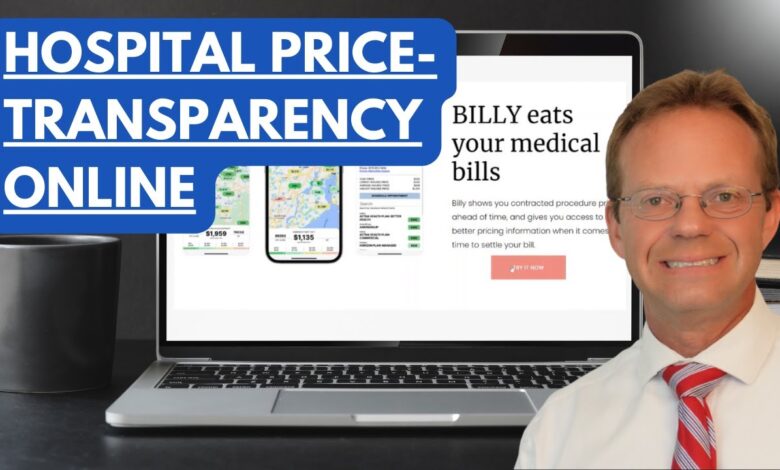
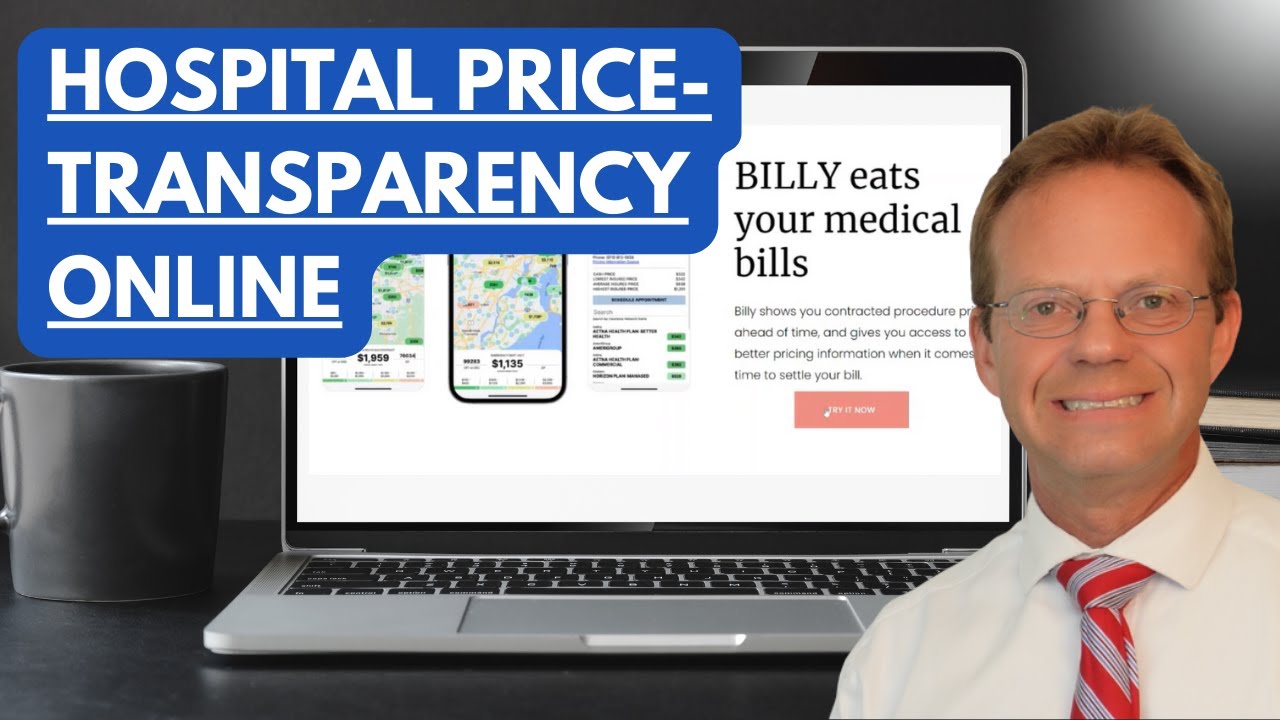
Hospital Price Transparency Online
The promise of online hospital price transparency—the ability to easily find the cost of medical services before receiving care—has been a long-time goal in the US healthcare system. While federal regulations mandate price transparency, the reality on the ground is far more complex, leaving patients often frustrated and unable to find the information they need. This post explores the current state of online hospital price transparency, highlighting its challenges and inconsistencies.
Current Landscape of Online Hospital Price Transparency Initiatives
The landscape of online hospital price transparency in the US is a patchwork of varying approaches. While the Centers for Medicare & Medicaid Services (CMS) requires hospitals to publicly post their standard charges online, the implementation and effectiveness of these initiatives vary widely. Some hospitals diligently fulfill the requirements, offering relatively user-friendly interfaces with searchable databases. Others, however, present information in a confusing or incomplete manner, rendering it largely useless to the average consumer.
This disparity creates significant challenges for patients trying to compare costs and make informed decisions.
Challenges Hindering Widespread Adoption of Online Price Transparency
Several key challenges hinder the widespread adoption and effectiveness of online hospital price transparency. Data formatting inconsistencies, lack of standardization across hospitals, and the sheer volume and complexity of medical pricing information all contribute to a frustrating user experience. Many hospitals struggle to translate complex billing codes into easily understandable terms for consumers. Furthermore, the lack of consistent data validation and quality control mechanisms allows for inconsistencies and inaccuracies in the posted prices, further undermining the value of these online tools.
Finally, the limited technical capabilities and resources available to smaller hospitals often impede their ability to effectively implement and maintain robust online price transparency systems.
Approaches Different Hospitals Take to Displaying Prices Online
Hospitals employ diverse approaches to displaying prices online. Some provide comprehensive, searchable databases of all their charges, allowing users to filter by procedure, service, and other criteria. Others offer simpler, less detailed price lists that may only include common procedures. Some hospitals provide estimated costs, acknowledging the variability inherent in medical care, while others strive to provide precise, but potentially outdated, charges.
The variation in approaches significantly impacts the user experience and the usefulness of the information provided. Many websites still rely on PDF documents, making searching and comparison difficult.
Types of Services Commonly Included (or Excluded) in Online Price Lists
Commonly included services often encompass routine procedures, such as lab tests, imaging services (X-rays, MRIs), and common outpatient surgeries. However, many price lists exclude services such as emergency room visits, physician fees (often separately billed), and complex or specialized procedures. The exclusion of these services significantly limits the practical value of the online price transparency tools, as these often represent the most costly aspects of healthcare.
Furthermore, negotiated rates with insurers are rarely displayed, making it difficult for patients to understand their out-of-pocket expenses.
Comparison of User Experience Across Hospital Systems
The following table compares the user experience of three major hospital systems’ price transparency websites. Note that these are subjective evaluations based on a recent review and may vary over time.
It’s frustrating trying to navigate hospital pricing – finding clear, upfront costs online or even over the phone is a real challenge. This lack of transparency is partly linked to the fact that, as reported in this article on hospital margins to stabilize below pre pandemic levels , hospitals are facing financial pressures. Perhaps increased price transparency could help them better manage costs and ultimately improve patient access to information.
| Hospital Name | Ease of Navigation | Information Clarity | Price Display Method |
|---|---|---|---|
| Hospital System A | Good; intuitive search functionality | Fair; some terminology requires medical knowledge | Interactive database with detailed pricing |
| Hospital System B | Poor; difficult to find specific information | Poor; unclear pricing structure and terminology | PDF documents; limited search functionality |
| Hospital System C | Average; functional but could be improved | Good; clear explanations of pricing components | Interactive database with estimated and billed prices |
Impact of Phone Inquiries on Price Transparency
Source: ytimg.com
Navigating the healthcare system is often complicated, and understanding the costs associated with treatment can be particularly challenging. While online price transparency tools are becoming increasingly common, many patients still rely on phone calls to inquire about medical costs. This reliance, however, introduces a new layer of complexity to the already opaque world of healthcare pricing. The information obtained via phone call can significantly differ from what’s publicly available online, leading to potential confusion and financial uncertainty for patients.Phone inquiries often impact a patient’s ability to access price information in several ways.
First, the information provided is often incomplete or inconsistent. Second, the process itself can be time-consuming and frustrating, requiring multiple calls and interactions with different staff members. Finally, the lack of a standardized format for providing price information over the phone makes comparison shopping nearly impossible.
Comparison of Phone and Online Price Information
Online price transparency tools, when implemented effectively, typically offer a more comprehensive and standardized view of pricing. These tools often provide detailed cost breakdowns for various procedures, including facility fees, physician fees, and other associated charges. In contrast, information provided over the phone is frequently fragmented and lacks this level of detail. A phone call might only provide an estimated total cost, without clarifying the individual components.
This makes it difficult for patients to compare prices across different providers or understand the rationale behind the quoted price.
Inconsistencies Between Online and Phone-Based Price Quotes, Hospital price variation online phone transparency
Discrepancies between online and phone-based price quotes are unfortunately common. These inconsistencies may stem from several factors. First, online databases may not be updated regularly, leading to outdated pricing information. Second, phone representatives may not have access to the same up-to-date information as the online system. Third, individual staff members may provide varying estimates depending on their understanding of the procedure and associated costs.
Finally, negotiations or individualized payment plans discussed over the phone may not be reflected in the online pricing.
Reasons for Discrepancies in Price Information
Several factors contribute to the discrepancies. Variations in insurance coverage and patient-specific circumstances can lead to different price quotes. The complexity of billing codes and the sheer volume of information involved in medical pricing can also lead to human error. Furthermore, the lack of standardization across healthcare providers makes comparing prices even more difficult. Different facilities may use different billing practices, making direct comparisons challenging.
Finally, the limited training some phone staff receive in handling price inquiries may also contribute to inconsistencies.
Hypothetical Scenario Illustrating Pricing Challenges
Imagine Sarah needs a knee arthroscopy. She checks the hospital’s website and finds a listed price of $5,000. However, when she calls to confirm, a representative quotes her $7,000, explaining that the online price doesn’t include anesthesia or certain post-operative care. She calls back a few days later and speaks to a different representative who quotes $6,500, without a clear explanation for the discrepancy.
This scenario highlights the difficulties patients face in obtaining consistent and reliable pricing information, even when online transparency tools are supposedly available. The lack of clear, consistent information leaves Sarah feeling frustrated and uncertain about the actual cost of her procedure.
Role of Technology in Improving Price Transparency
The lack of readily available and understandable healthcare pricing information is a significant barrier to consumer empowerment. Fortunately, technology offers powerful tools to address this challenge, enhancing price transparency online and via phone, ultimately leading to more informed healthcare decisions. By leveraging technology, we can move towards a more equitable and efficient healthcare system.Technological solutions can significantly improve access to and understanding of hospital pricing.
The current fragmented and often opaque system desperately needs streamlined, user-friendly interfaces to present complex pricing data effectively.
Technological Solutions for Improved Price Transparency
Several technological approaches can improve online and phone-based price transparency. Websites could incorporate interactive tools allowing users to filter by procedure, location, and insurance plan. This allows for personalized price estimates, rather than relying on generic, hard-to-interpret lists. Furthermore, phone systems could be upgraded with intelligent voice assistants that can quickly answer price inquiries based on specific patient details.
This would eliminate the need for lengthy phone calls navigating complex menus. Another innovative approach involves integrating price information directly into electronic health record (EHR) systems, providing immediate cost estimates during consultations.
Mobile Apps for Price Comparisons: Benefits and Limitations
Mobile applications offer a convenient platform for hospital price comparisons. Benefits include portability, personalized price estimations based on user inputs (insurance, location, procedure), and the potential for integration with other health apps. However, limitations include the need for consistent data updates across different hospitals, potential biases in the data presented, and concerns about data security and privacy. For example, an app might only display prices from hospitals that have partnered with the app developer, potentially omitting less expensive options.
AI-Powered Tools for Enhanced Price Information Access and Comprehension
Artificial intelligence (AI) can play a transformative role in enhancing price information access and comprehension. AI-powered chatbots could provide instant answers to complex pricing questions, handling nuanced inquiries more effectively than traditional phone systems. AI algorithms can also analyze large datasets to identify price outliers and patterns, helping to identify potential cost-saving options for patients. For instance, an AI could analyze a patient’s specific needs and insurance coverage to recommend the most cost-effective hospital or procedure.
Natural Language Processing (NLP) could be used to translate complex medical terminology into plain language, making price information easily understandable for non-medical professionals.
Features of a User-Friendly Price Transparency App
A truly user-friendly price transparency app should include several key features. It needs a simple and intuitive interface, allowing users to easily search for procedures and compare prices. It should incorporate personalized price estimations based on individual insurance plans and location. The app should also provide clear explanations of medical terminology and billing codes. Furthermore, it needs to offer secure data storage and ensure compliance with privacy regulations (like HIPAA).
Finally, integration with other health apps and tools would enhance its utility. A clear display of the last updated date for the pricing information would also boost user trust.
Navigating hospital pricing online can be a real headache, especially when you’re trying to compare costs via phone. It’s all so opaque! This lack of transparency makes me wonder how Walgreens’ recent moves, as detailed in this article about their raised healthcare outlook following the Summit acquisition walgreens raises healthcare segment outlook summit acquisition , will affect pricing strategies.
Will we see increased pressure for greater price transparency across the board? Hopefully, clearer pricing will become the norm soon.
Data Visualization Techniques for Presenting Pricing Information
Effective data visualization is crucial for making complex pricing information understandable. Instead of presenting raw data, the app could use charts, graphs, and interactive maps to visually represent price variations across different hospitals and procedures. For example, a bar chart could compare the cost of a specific procedure across various hospitals in a region. Interactive maps could display hospitals on a map, with price ranges indicated by color-coding.
These techniques make it easier for users to quickly grasp price differences and make informed decisions.
Patient Perspectives and Experiences
Source: ytimg.com
Navigating the complex world of healthcare costs is a significant challenge for many patients. Understanding hospital pricing, especially before receiving care, can be incredibly frustrating, impacting both financial planning and treatment decisions. This section explores the perspectives and experiences of patients as they attempt to access and interpret hospital pricing information.
The reality for many patients is a confusing and often opaque system. While online price transparency tools are intended to empower consumers, their effectiveness hinges on factors such as ease of use, clarity of information, and the accuracy of the data presented. Phone inquiries, often seen as a last resort, frequently yield inconsistent and incomplete information, adding to the overall frustration.
Online Tool Usability and Clarity
Many online hospital pricing tools, while intended to be helpful, often fall short of expectations. Patients report difficulty in navigating complex websites, finding the specific procedures they need priced, and understanding the terminology used. For example, one common complaint is the lack of clear explanations of what is included (or excluded) in a listed price. A patient searching for the cost of a knee replacement might find a base price, but be unaware of additional fees for anesthesia, implants, or physical therapy, leading to significant cost discrepancies between the quoted price and the final bill.
Another frequent criticism is the lack of standardization across different hospital websites, making comparison shopping incredibly difficult. Some sites utilize search functions that are not intuitive, while others present information in a format that is not easily digestible for the average patient.
Impact of Price Understanding on Healthcare Decisions
Patients’ understanding (or lack thereof) of hospital pricing significantly influences their healthcare decisions. The fear of unexpected high bills can lead to patients delaying or forgoing necessary medical care. Conversely, access to clear and accurate pricing information can empower patients to make informed choices about their treatment, potentially selecting more cost-effective options or negotiating payment plans. For example, a patient with limited insurance coverage might choose a less expensive hospital or opt for a less invasive procedure if they have access to clear pricing information beforehand.
Conversely, a patient unaware of the potential costs might choose a more expensive treatment without considering the financial implications.
Barriers to Using Online Price Transparency Tools
Several barriers prevent patients from effectively using online price transparency tools. These include: limited digital literacy, particularly among older patients; complex website navigation and design; inconsistent data presentation across different hospitals; lack of clear explanations of medical terminology and billing practices; and the sheer volume of information presented, making it overwhelming for patients to sift through and understand.
Furthermore, many patients simply lack the time or resources to dedicate to extensive online research, particularly when dealing with an urgent medical situation.
Common Patient Frustrations
Patients consistently express frustration with the process of obtaining price information. Here are some common complaints:
- Inconsistent or incomplete information received via phone.
- Difficulty navigating complex and poorly designed hospital websites.
- Lack of clear explanations of pricing details and what is included/excluded.
- Inaccurate or outdated pricing information online.
- Inability to easily compare prices across different hospitals.
- Feeling overwhelmed by the volume of information and technical jargon.
- Difficulty understanding billing statements and charges after receiving care.
Regulatory and Policy Implications
The push for hospital price transparency hinges significantly on the regulatory landscape. Existing laws and proposed legislation play a crucial role in shaping how hospitals disclose their prices, influencing both the accessibility and comprehensibility of that information for patients. Understanding the current regulations and their enforcement is key to assessing the effectiveness of transparency initiatives and identifying areas needing improvement.The current regulatory landscape surrounding hospital price transparency is a patchwork of federal and state-level initiatives.
At the federal level, the Centers for Medicare & Medicaid Services (CMS) has played a leading role. The most significant legislation impacting price transparency is the Transparency in Coverage (TIC) Rule, which mandates that hospitals and health insurers publicly share their negotiated rates with payers. However, the rule’s implementation has faced criticism for its complexity and lack of standardized data formats, making it difficult for consumers to easily compare prices.
Hospital price transparency is a mess, right? Finding fair pricing online or even over the phone is a constant struggle. Imagine if we could leverage AI to solve this – check out this fascinating article on google cloud healthcare amy waldron generative AI – to see how technology might help. Perhaps AI could analyze pricing data to create a clearer picture, making hospital costs more accessible and understandable for patients.
Ultimately, more transparent pricing could lead to better healthcare decisions for everyone.
Many states have also enacted their own price transparency laws, often going beyond the federal requirements, with varying degrees of enforcement and effectiveness. This creates a fragmented system, making it challenging for patients to navigate and compare prices across different healthcare providers and geographic locations.
The Impact of Existing and Proposed Legislation on Online Price Transparency
The TIC Rule, while aiming to increase price transparency, has had a mixed impact. While some hospitals have made strides in complying with the rule by posting machine-readable files containing their negotiated rates, the data’s complexity and lack of user-friendly interfaces often hinder consumers from using it effectively. Proposed legislation in various states aims to address these issues by mandating clearer, more consumer-friendly presentation of pricing information, potentially including price estimators for common procedures.
For example, some proposed bills require hospitals to provide easily accessible price lists for frequently performed procedures on their websites, formatted in a clear and understandable manner. The success of these efforts will depend on the specifics of the legislation, the resources allocated for enforcement, and the willingness of hospitals to comply. Furthermore, the impact of these legislative changes will vary significantly depending on the specific state’s regulatory framework and its enforcement capabilities.
Challenges in Enforcing Regulations Related to Hospital Price Transparency
Enforcing regulations related to hospital price transparency presents several significant challenges. One key challenge is ensuring consistent and accurate data reporting by hospitals. Verifying the accuracy and completeness of the data submitted by hospitals is a resource-intensive process, requiring expertise in both healthcare data and data analysis. Another challenge lies in the complexity of hospital pricing itself.
The wide variety of billing practices, insurance negotiations, and bundled payments make it difficult to create a standardized method for reporting prices that is both comprehensive and easily understandable for consumers. Finally, the penalties for non-compliance with price transparency regulations often lack sufficient bite to encourage consistent adherence by hospitals, particularly larger systems with significant legal resources. A lack of standardized penalties across jurisdictions also contributes to inconsistent enforcement.
Comparison of Approaches Taken by Different Government Agencies in Regulating Hospital Pricing
Different government agencies, both at the federal and state levels, have adopted diverse approaches to regulating hospital pricing and promoting price transparency. CMS, at the federal level, focuses on a data-driven approach, mandating the publication of negotiated rates through the TIC Rule. However, enforcement relies heavily on self-reporting and lacks robust mechanisms for verifying the accuracy of the data provided by hospitals.
In contrast, some state agencies are adopting a more proactive approach, implementing stricter penalties for non-compliance and conducting regular audits to ensure accuracy and completeness of price information. These state-level initiatives often include provisions for consumer-friendly presentation of price information and clearer guidance on the types of services included in the published rates. This variation in approach highlights the need for a more coordinated and standardized national strategy to achieve meaningful price transparency.
How Stronger Regulations Could Improve Price Transparency Initiatives
Stronger regulations could significantly improve price transparency initiatives by addressing several key weaknesses in the current system. Firstly, clear and consistent standards for data reporting, including standardized data formats and definitions, are crucial. This would allow for easier comparison of prices across different hospitals and systems. Secondly, increased resources for enforcement, including regular audits and meaningful penalties for non-compliance, are essential to ensuring hospitals adhere to the regulations.
Thirdly, a focus on consumer-friendly presentation of price information is vital. This might include requirements for user-friendly online tools and price estimators for common procedures. Finally, a more coordinated approach between federal and state agencies could lead to a more effective and consistent national strategy for promoting price transparency. For instance, a national database of standardized hospital pricing data could greatly enhance price comparison and empower consumers to make more informed decisions.
Concluding Remarks
Ultimately, achieving true hospital price transparency requires a multi-pronged approach. While technology can play a vital role in improving online access to pricing information, stronger regulations and a commitment from hospitals to provide consistent and accurate information are equally crucial. Until then, patients need to be proactive, armed with knowledge and prepared to ask tough questions to avoid unexpected medical bills.
The journey to transparent healthcare pricing is a long one, but with increased awareness and advocacy, we can make meaningful progress towards a more equitable and accessible system for all.
Essential FAQs: Hospital Price Variation Online Phone Transparency
What happens if the online price and the phone quote differ significantly?
You should always clarify the discrepancy with the hospital billing department. Document all communication, including online price screenshots and phone call notes. Negotiating a fair price might be possible, especially if the discrepancy is substantial.
Are there any resources available to help me compare hospital prices?
Several websites and apps are emerging that aim to help patients compare hospital prices, but their comprehensiveness and accuracy vary. Always verify the information independently with the hospital.
Is there a legal recourse if I’m overcharged for a medical procedure?
Yes, you can contact your state’s attorney general’s office or file a complaint with the relevant regulatory agencies. It’s crucial to document all expenses and communication with the hospital.