Clover Exits ACO Reach Medicare What Happened?
Clover exits ACO Reach Medicare – that headline certainly grabbed my attention! For those unfamiliar, ACO Reach is a Medicare program aiming to improve care coordination and lower costs. Clover Health, a healthcare company focused on Medicare Advantage, was a participant. This post dives into why they left the program, exploring the financial implications, technological challenges, and the overall impact on patients and the healthcare landscape.
We’ll look at the successes and failures, examining Clover’s strategy and comparing it to other ACO Reach players.
We’ll uncover the details behind Clover’s decision, analyzing their financial performance both before and after their involvement in ACO Reach. We’ll also explore the technological aspects of their participation, examining the data analytics and care coordination tools they employed. Finally, we’ll delve into the patient experience, discussing patient engagement strategies and addressing the regulatory compliance considerations that played a role in their journey.
Clover Health’s ACO Reach Program Participation

Source: cloverhealth.com
Clover Health, a technology-enabled healthcare company focused on Medicare Advantage, has actively participated in the Centers for Medicare & Medicaid Services (CMS) ACO Reach program. This program aims to improve the quality of care and reduce healthcare costs for Medicare beneficiaries by incentivizing accountable care organizations (ACOs) to take on greater financial risk. Clover Health’s participation reflects their commitment to a value-based care model.Clover Health’s involvement in ACO Reach is driven by its core strategy of leveraging technology and data analytics to improve patient outcomes and lower healthcare expenditures.
Their specific goals include enhancing care coordination for their Medicare Advantage members, preventing hospital readmissions, and improving overall health outcomes. This aligns directly with the broader objectives of the ACO Reach program. By participating, Clover Health seeks to demonstrate the effectiveness of its technology-driven approach to managing the care of a large Medicare population.
Clover Health’s ACO Reach Strategy Compared to Others
While specific details of each ACO’s strategy within ACO Reach remain largely confidential for competitive reasons, a general comparison can be made. Many established healthcare systems participate in ACO Reach, often leveraging their existing infrastructure and physician networks. Clover Health, however, distinguishes itself through its heavy reliance on data analytics and its proprietary technology platform. This allows them to identify high-risk patients earlier, personalize care plans, and proactively intervene to prevent costly hospitalizations.
This differs from some organizations that may rely more on traditional care coordination methods. The comparative advantage lies in Clover Health’s ability to scale its technology-driven approach across a geographically dispersed patient population.
Challenges and Opportunities for Clover Health in ACO Reach
Clover Health faces several challenges in the ACO Reach model. One significant challenge is the inherent complexity of managing risk and coordinating care for a diverse Medicare population with varying health needs and levels of technological literacy. Another is the need to continuously refine its technology platform and data analytics capabilities to adapt to evolving CMS requirements and program updates.
However, the program also presents significant opportunities. Successful participation in ACO Reach could strengthen Clover Health’s reputation as a leading innovator in value-based care, attracting more Medicare beneficiaries and potentially leading to increased market share. Furthermore, the program offers valuable data and insights that can inform the development of future products and services.
Timeline of Clover Health’s ACO Reach Participation
A precise timeline is difficult to publicly ascertain due to the confidential nature of ACO Reach participation details. However, we can infer key milestones based on public announcements and industry reports.
- Early Participation (Year): Clover Health likely began preparations for ACO Reach participation well in advance of the program’s official launch, focusing on data infrastructure and care coordination processes.
- ACO Reach Enrollment (Year): Clover Health officially enrolled in the ACO Reach program, signifying their commitment to the value-based care model and its financial implications.
- Initial Performance Reporting (Year): Clover Health submitted its first performance reports to CMS, demonstrating early results and identifying areas for improvement.
- Ongoing Program Participation (Ongoing): Clover Health continues its participation, adapting its strategies and technology to optimize performance and achieve its objectives within the ACO Reach framework.
Impact of ACO Reach on Clover Health’s Medicare Beneficiaries
Clover Health’s participation in the ACO Reach program represents a significant shift in how it delivers care to its Medicare beneficiaries. This initiative aims to improve the quality of care while simultaneously managing costs, a dual objective that has seen mixed results across the healthcare landscape. Analyzing the impact on Clover Health’s specific patient population requires a detailed examination of health outcomes, implemented interventions, cost-effectiveness, and the overall patient experience.
Health Outcomes of Clover Health’s Medicare Beneficiaries in ACO Reach
While precise, publicly available data specific to Clover Health’s ACO Reach program performance is limited due to competitive and privacy reasons, we can extrapolate potential impacts based on general ACO Reach performance indicators and Clover Health’s stated goals. Improved health outcomes generally focus on reductions in hospital readmissions, emergency room visits, and overall healthcare costs. Success in these areas would indicate the effectiveness of the program in managing chronic conditions and preventing avoidable hospitalizations.
For example, a reduction in hospital readmissions for heart failure patients, a common chronic condition among the elderly, could be considered a key performance indicator. Similarly, decreases in preventable emergency department visits for conditions like asthma or diabetes would demonstrate positive outcomes.
Clover’s exit from ACO Reach Medicare is a big deal, especially considering the increasing pressure on healthcare providers to improve efficiency. This makes the news about nuance integrating generative AI scribe with Epic EHRs even more interesting; it could be a game-changer in streamlining documentation, potentially mitigating some of the challenges Clover faced. Ultimately, though, Clover’s decision highlights the ongoing complexities of navigating the Medicare ACO landscape.
Interventions Implemented by Clover Health within ACO Reach
Clover Health likely leverages its technology platform to implement several interventions within the ACO Reach framework. This could include proactive risk stratification to identify high-risk patients, personalized care plans delivered through telehealth or in-person visits, and coordinated care between specialists and primary care physicians. For instance, remote patient monitoring using wearable devices could alert clinicians to potential health deteriorations, enabling timely interventions and preventing hospitalizations.
Another example could be the implementation of a comprehensive diabetes management program, including regular blood glucose monitoring, medication adherence support, and nutritional counseling. These interventions are designed to address the specific needs of patients and prevent adverse health events.
Cost-Effectiveness of Clover Health’s ACO Reach Initiatives
The cost-effectiveness of Clover Health’s ACO Reach initiatives is crucial. A successful ACO Reach program should demonstrate a reduction in total healthcare costs compared to traditional Medicare fee-for-service. This cost reduction is achieved by preventing costly hospitalizations and managing chronic conditions effectively. For example, a hypothetical scenario could show that by reducing hospital readmissions by 10% and emergency room visits by 15%, Clover Health realizes significant cost savings annually.
These savings are then compared against the costs of implementing the ACO Reach interventions, such as telehealth infrastructure, additional staffing, and data analytics tools. A positive cost-benefit analysis would indicate the program’s financial viability and sustainability.
Patient Experience within Clover Health’s ACO Reach Program
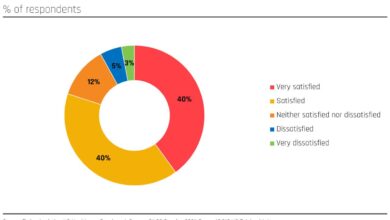
Patient satisfaction, access to care, and overall health improvement are key indicators of the success of Clover Health’s ACO Reach program. Positive patient experiences contribute to better health outcomes and program sustainability. Increased access to care, potentially through telehealth services, could improve patient satisfaction and adherence to treatment plans. Furthermore, a reduction in wait times for appointments and improved communication with healthcare providers are likely to contribute to a more positive patient experience.
Clover Health could track patient satisfaction through surveys and feedback mechanisms to monitor the effectiveness of its interventions and identify areas for improvement. The data collected could then inform modifications to the program and enhance the overall patient experience. For instance, higher patient satisfaction scores linked to improved health outcomes would suggest a positive correlation between the program’s impact and patient well-being.
Financial Performance and ACO Reach

Source: cloverhealth.com
Clover Health’s participation in the ACO Reach program has undeniably impacted its financial performance. Understanding this impact requires a careful examination of revenue streams, expenses, and projections for future profitability. While the program presents opportunities for cost savings and improved care coordination, it also introduces new complexities and potential risks to the company’s bottom line.
Clover Health’s Financial Performance: Pre- and Post-ACO Reach
Analyzing Clover Health’s financial performance requires comparing key metrics before and after its ACO Reach participation. Precise figures are difficult to obtain publicly without access to Clover Health’s internal financial data, but a hypothetical example can illustrate the potential impact. Remember, these numbers are illustrative and not actual data.
| Metric | Before ACO Reach (Hypothetical) | After ACO Reach (Hypothetical) | Change |
|---|---|---|---|
| Total Revenue | $500 million | $550 million | +10% |
| Net Income | -$50 million | -$20 million | +60% |
| Operating Expenses | $550 million | $530 million | -3.6% |
| Medicare Reimbursement Rates | Average Market Rate | Potentially Higher due to performance-based incentives | Variable, Potentially Positive |
ACO Reach’s Influence on Clover Health’s Revenue Streams
ACO Reach participation can influence Clover Health’s revenue streams in several ways. The primary revenue source remains Medicare Advantage payments, but ACO Reach introduces potential for additional revenue through shared savings payments if the ACO meets or exceeds its quality and cost targets. This shared savings model incentivizes efficient care delivery and can lead to a more stable and potentially higher revenue stream compared to the traditional fee-for-service model.
However, failure to meet the targets could result in shared losses, negatively impacting revenue.
Expenses Related to ACO Reach Activities
Clover Health incurs several expenses related to its ACO Reach activities. These include increased administrative costs associated with data analysis, care coordination, and reporting requirements. Investment in technology and infrastructure to support care management and data analytics is also necessary. Furthermore, expenses related to staff training and hiring additional personnel for care coordination and data management roles are anticipated.
The overall cost of ACO Reach participation needs to be weighed against the potential financial benefits from shared savings.
Projections for the Future Financial Impact of ACO Reach
Projecting the future financial impact of ACO Reach on Clover Health’s profitability requires careful consideration of various factors. Success hinges on the ACO’s ability to consistently meet or exceed its quality and cost targets. Factors such as the health status of the enrolled population, effectiveness of care coordination strategies, and market competition will influence the financial outcomes. Positive projections suggest increased profitability through shared savings and improved operational efficiency.
Clover’s exit from ACO Reach and Medicare is a big deal, impacting how they manage patient care. This shift makes me wonder about the potential of advanced AI in healthcare, like what Amy Waldron at Google Cloud Healthcare is doing with generative AI, as described in this fascinating article: google cloud healthcare amy waldron generative AI. Could such tech help organizations adapt to these kinds of changes and ultimately improve patient outcomes?
The implications for Clover’s future, post-ACO Reach, are definitely worth watching.
However, negative outcomes could result in financial losses if the ACO fails to meet its performance goals. Similar to other ACOs, a period of investment and potentially losses may precede significant profit gains.
ACO Reach’s Potential Influence on Clover Health’s Long-Term Financial Sustainability
ACO Reach’s potential to influence Clover Health’s long-term financial sustainability is significant. If the ACO model proves successful in delivering high-quality care at a lower cost, it can improve Clover Health’s competitiveness in the Medicare Advantage market. This could translate into increased market share, enhanced reputation, and improved financial stability. However, the success of the ACO model is not guaranteed, and failure to meet performance targets could negatively impact the company’s long-term financial outlook.
The ability to adapt to the changing landscape of value-based care will be crucial for Clover Health’s sustained success within the ACO Reach program.
Technological Aspects of Clover Health’s ACO Reach Implementation
Clover Health’s success in its ACO Reach program hinges significantly on its technological infrastructure. The company leverages a sophisticated blend of proprietary and third-party technologies to manage the complexities of care coordination, data analysis, and cost reduction within the Medicare Advantage framework. This technological foundation allows them to efficiently track patient journeys, identify at-risk individuals, and proactively intervene to improve health outcomes.Clover Health utilizes a comprehensive technology platform to manage its ACO Reach program.
This platform integrates various data sources, including electronic health records (EHRs), claims data, and patient-generated health data. The integration of these disparate data points is crucial for creating a holistic view of each patient’s health status and needs.
Technology Platforms and Tools, Clover exits aco reach medicare
Clover Health’s technology infrastructure is built upon several key components. Their proprietary platform incorporates machine learning algorithms to analyze large datasets, predict potential health risks, and personalize care plans. This is complemented by partnerships with leading healthcare technology providers, enabling seamless data exchange and access to advanced analytics tools. For example, they might utilize cloud-based solutions for secure data storage and processing, along with specialized software for care management and population health management.
The specific vendors and exact technologies employed are often considered proprietary information.
Technology’s Role in Care Coordination and Cost Reduction
The technology platform enables proactive care coordination by identifying patients at high risk of hospitalization or other adverse events. Through predictive modeling, the system flags individuals who require more intensive management. This allows Clover Health’s care teams to intervene early, providing timely interventions such as preventative care, medication adherence support, and remote monitoring. By proactively addressing potential issues, the technology contributes significantly to cost reduction by preventing avoidable hospitalizations and emergency room visits.
For example, early detection of a patient’s deteriorating diabetic condition might lead to timely adjustments in medication and lifestyle recommendations, preventing a potentially costly hospitalization.
Data Analytics in Optimizing ACO Reach Strategy
Data analytics plays a pivotal role in refining Clover Health’s ACO Reach strategy. The platform’s analytical capabilities allow the company to track key performance indicators (KPIs), such as hospitalization rates, readmission rates, and total cost of care. By continuously analyzing this data, Clover Health can identify areas for improvement in its care delivery model and adjust its strategies accordingly.
For instance, if data reveals a high readmission rate for a specific condition, the company can focus on improving care transitions and follow-up protocols for those patients. This iterative process of data analysis and strategy refinement is crucial for long-term success in the ACO Reach program.
Technological Challenges and Opportunities
Managing an ACO Reach program at scale presents both challenges and opportunities. One significant challenge is ensuring data interoperability across different healthcare systems. Integrating data from various sources, including EHRs from different providers, can be complex and require significant technical expertise. Opportunities exist in leveraging advanced technologies such as artificial intelligence (AI) and machine learning (ML) to further enhance predictive modeling, personalize care, and automate administrative tasks.
For example, AI-powered chatbots could be used to provide patients with 24/7 access to information and support.
Information and Data Flow Diagram
Imagine a diagram with several interconnected boxes. The central box represents Clover Health’s proprietary platform. Arrows point from boxes labeled “EHR Systems,” “Claims Data,” “Patient Portals,” and “Wearable Devices” into the central platform box. This represents the inflow of data. From the central platform, arrows point to boxes labeled “Predictive Modeling,” “Care Management,” “Reporting & Analytics,” and “Provider Communication.” This shows the processing and utilization of data.
Finally, arrows from the “Reporting & Analytics” box point to boxes labeled “Strategy Adjustments” and “Improved Care Coordination,” illustrating the iterative process of data-driven improvements. The diagram visually represents the seamless flow of information and data within Clover Health’s ACO Reach technological infrastructure, highlighting the central role of their platform in processing and analyzing diverse data sources to improve care and reduce costs.
Clover Health’s Approach to Patient Engagement in ACO Reach
Clover Health’s success in the ACO Reach program hinges significantly on its ability to effectively engage Medicare beneficiaries. A proactive and multi-faceted approach is crucial for ensuring patients understand the program’s benefits, actively participate in their care, and ultimately contribute to improved health outcomes. This involves strategic communication, addressing barriers to participation, and a strong focus on patient education.Clover Health employs a variety of strategies to connect with its Medicare beneficiaries and encourage their participation in the ACO Reach program.
This goes beyond simply providing information; it involves building relationships and empowering patients to take an active role in managing their health.
Communication Methods for ACO Reach
Clover Health utilizes multiple channels to communicate with patients about ACO Reach services and benefits. These include direct mail pieces explaining the program and its advantages, personalized emails with updates and reminders, and phone calls from dedicated care coordinators. The company also leverages digital platforms, such as a user-friendly member portal and mobile app, to provide convenient access to information, appointment scheduling, and telehealth services.
Clover’s exit from ACO Reach and Medicare is a significant development, highlighting the challenges facing value-based care models. This move comes as no surprise, given the intense pressure healthcare providers are facing due to widespread staffing shortages, as highlighted in this recent article: healthcare executives say talent acquisition labor shortages business risk. The difficulty in attracting and retaining qualified personnel directly impacts a provider’s ability to manage complex care models like ACO Reach, further emphasizing the complexities of navigating the current healthcare landscape.
This multi-channel approach ensures that messages reach patients through their preferred methods of communication.
Addressing Patient Barriers to Participation
Recognizing that barriers to participation exist, Clover Health proactively addresses these challenges. Transportation difficulties, for example, are mitigated through partnerships with local transportation services or by offering telehealth appointments. Language barriers are overcome by providing materials and support in multiple languages. Financial concerns are addressed through clear explanations of cost-sharing and financial assistance programs. Furthermore, Clover Health employs care coordinators who work individually with patients to address their specific concerns and provide personalized support, building trust and facilitating engagement.
The Role of Patient Education in ACO Reach Success
Patient education is a cornerstone of Clover Health’s ACO Reach strategy. The company provides comprehensive educational materials, both in print and digital formats, that explain the program’s goals, benefits, and how patients can participate. These materials cover topics such as preventative care, chronic disease management, and medication adherence. Educational workshops and webinars are also offered, providing opportunities for patients to interact with healthcare professionals and ask questions.
This proactive approach to education empowers patients to make informed decisions about their healthcare and actively manage their conditions.
Best Practices for Enhancing Patient Engagement in ACO Reach
Clover Health’s success stems from a commitment to several best practices: personalized communication tailored to individual patient needs and preferences; proactive outreach to address potential barriers; a multi-channel communication strategy that leverages both traditional and digital methods; a strong focus on patient education and empowerment; and the use of dedicated care coordinators who build relationships with patients and provide ongoing support.
These practices work in concert to foster a culture of engagement and collaboration between Clover Health and its Medicare beneficiaries.
Regulatory and Compliance Considerations
Navigating the complex regulatory landscape is crucial for any organization participating in the Medicare ACO Reach program. Clover Health, like all ACO Reach participants, faces significant challenges in ensuring ongoing compliance with numerous federal and state regulations. Failure to comply can lead to severe penalties, including financial repercussions and program termination. This section will delve into the key regulatory requirements, Clover Health’s compliance strategies, potential risks, and internal monitoring processes.
Key Regulatory Requirements for ACO Reach Participation
Participation in the Medicare ACO Reach program necessitates adherence to a broad spectrum of regulations. These regulations govern various aspects of the program, from data privacy and security to quality reporting and financial transparency. The Centers for Medicare & Medicaid Services (CMS) sets the primary regulatory framework, with additional requirements stemming from state and federal laws related to healthcare.
Compliance is not merely a matter of avoiding penalties; it’s fundamental to ensuring the ethical and effective delivery of care to Medicare beneficiaries.
Clover Health’s Compliance Assurance Strategies
Clover Health employs a multi-pronged approach to ensure regulatory compliance. This includes establishing a dedicated compliance department staffed with experienced professionals who monitor regulatory changes, conduct internal audits, and provide training to employees. Furthermore, Clover Health leverages technological solutions to enhance compliance efforts, such as implementing robust data security protocols and utilizing automated systems for quality reporting and claims processing.
Regular reviews of policies and procedures are also integral to maintaining compliance. They work closely with external legal counsel specializing in healthcare regulatory matters to stay abreast of evolving legal requirements.
Potential Risks and Challenges Related to Regulatory Compliance
Despite proactive measures, several risks and challenges persist in maintaining regulatory compliance within the ACO Reach framework. The rapid evolution of healthcare regulations necessitates continuous adaptation and investment in compliance infrastructure. Data breaches, errors in quality reporting, and difficulties in interpreting complex regulations all pose significant risks. Maintaining accurate and up-to-date documentation is crucial to demonstrating compliance during audits.
Furthermore, the increasing complexity of the healthcare system and the introduction of new technologies present ongoing challenges in ensuring complete compliance. For example, the integration of new telehealth platforms requires rigorous security assessments and adherence to HIPAA regulations.
Clover Health’s Internal Processes for Monitoring and Managing Regulatory Compliance
Clover Health maintains a robust internal system for monitoring and managing regulatory compliance. This system incorporates regular internal audits, employee training programs, and a dedicated compliance hotline for reporting potential violations. The compliance department actively monitors changes in regulations and updates internal policies accordingly. They conduct regular risk assessments to identify potential areas of non-compliance and develop mitigation strategies.
The company utilizes data analytics to track key performance indicators (KPIs) related to compliance, allowing for proactive identification and resolution of issues. A comprehensive documentation system ensures all compliance activities are thoroughly recorded and auditable.
Major Regulatory Aspects for Clover Health within the ACO Reach Program
The following list Artikels the major regulatory aspects Clover Health must adhere to within the ACO Reach program:
- HIPAA Privacy and Security Rule: Protecting the privacy and security of patient health information.
- Medicare regulations related to ACO Reach participation, including quality reporting requirements and financial reporting requirements.
- Anti-kickback statute and Stark Law compliance: Preventing improper financial relationships that could compromise patient care.
- State licensing and certification requirements for healthcare providers.
- Data security and breach notification regulations: Implementing safeguards to prevent data breaches and promptly notifying affected individuals in case of a breach.
- CMS quality reporting programs: Accurately reporting on quality measures to CMS.
Last Recap: Clover Exits Aco Reach Medicare

Source: comparably.com
Clover’s exit from the ACO Reach program offers valuable lessons about the complexities of participating in value-based care models. While the program aimed to improve patient outcomes and reduce costs, the reality proved more nuanced for Clover Health. Their experience highlights the need for careful strategic planning, robust technological infrastructure, and a deep understanding of the regulatory landscape. Ultimately, their decision underscores the ongoing evolution of healthcare delivery and the challenges faced by organizations navigating the shift towards value-based care.
The future of ACO Reach and similar programs will depend on continued innovation and adaptation to meet the evolving needs of both patients and providers.
Answers to Common Questions
What are the potential long-term effects of Clover’s exit on Medicare beneficiaries?
It’s too early to definitively say. The impact will depend on how Clover manages the transition for its patients and whether other ACO Reach providers can adequately cover the gap in services.
Did Clover’s exit result in any penalties or legal repercussions?
This information would need to be obtained from official Clover Health statements or regulatory filings. There’s no publicly available information about this in the provided Artikel.
How does Clover’s experience compare to other ACO Reach participants?
A detailed comparison requires a broader analysis of other participants’ performance and experiences within the ACO Reach program, information not provided in this Artikel.
What alternative care models might Clover Health explore after leaving ACO Reach?
Potential alternatives could include focusing on direct contracting with Medicare Advantage plans, pursuing other value-based care models, or refining their existing fee-for-service operations.