The Common Hedgehog: Dispelling Myths and Embracing True Conservation in Our Gardens

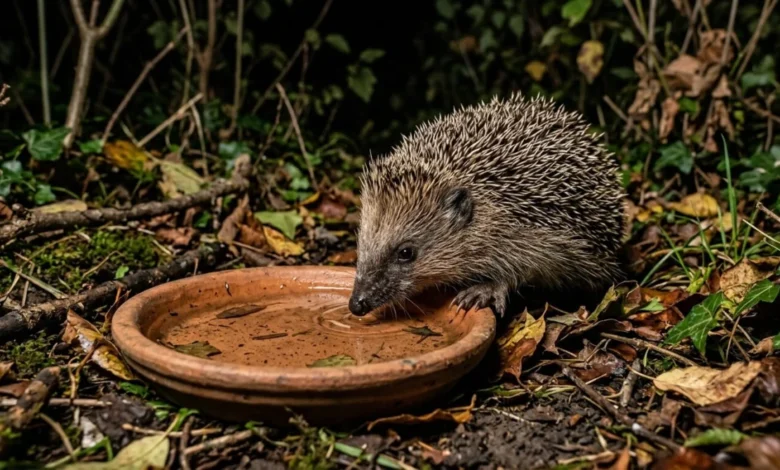
The idyllic image of a hedgehog ambling across a moonlit lawn, met with a saucer of milk, is a cherished tradition for many. This heartwarming gesture, passed down through generations and reassuring to both adults and children, appears to be an act of pure kindness. However, conservationists and wildlife rescue centers are increasingly sounding the alarm: this seemingly benevolent act poses a significant and often fatal danger to the hedgehog, a species facing mounting environmental pressures. The widespread misconception surrounding the nutritional needs of this nocturnal mammal is inadvertently contributing to its decline, highlighting a critical need for public education and revised approaches to wildlife assistance.
The Perilous Pitcher: Why Milk is a Deadly Delicacy for Hedgehogs
At the heart of this widespread misunderstanding lies the offering of cow’s milk. While it might seem like a comforting and hydrating choice, particularly as autumn nights grow colder and hedgehogs prepare for their crucial winter hibernation, it is, in fact, a dangerous poison. The primary culprit is lactose, a sugar found in milk. Adult hedgehogs, like many other mammals, are often lactose intolerant. Their digestive systems lack sufficient lactase, the enzyme required to break down lactose.
When a hedgehog ingests cow’s milk, the undigested lactose ferments in its gut. This fermentation process leads to severe gastrointestinal distress, manifesting as acute dysentery and diarrhea. The resulting dehydration and electrolyte imbalance can be rapid and devastating, particularly for young hedgehogs, known as hoglets, who are still in the critical growth phase. These young animals need to reach a minimum weight of approximately 600 grams by the onset of winter to survive the hibernation period. A bout of milk-induced illness can quickly deplete their reserves, drastically reducing their chances of making it through the cold months.
The visual of a hedgehog lapping at milk is deeply ingrained in popular culture, often reinforced by storybooks and childhood memories. This enduring image, however, is a dangerous fallacy. Wildlife rescue organizations and the League for the Protection of Birds (LPO) in France, for example, have consistently highlighted this issue. They report a steady influx of hedgehogs suffering from severe dehydration and malnutrition directly attributable to being fed milk. The well-intentioned act, born out of a desire to help, tragically leads to suffering and death.
Beyond milk, other common "treats" offered to hedgehogs are equally harmful. Bread, for instance, swells in the stomach, creating a false sense of fullness without providing essential protein. This can lead to malnutrition and, in severe cases, intestinal blockages. Cheeses and overly salty or fatty food scraps also disrupt a hedgehog’s delicate digestive system. Their natural diet is primarily insectivorous and carnivorous, consisting of slugs, snails, earthworms, beetles, and other invertebrates. Human food, especially processed items, is fundamentally incompatible with their biological needs.
Furthermore, certain common household foods are outright toxic to hedgehogs. Chocolate, beloved by humans, can cause severe cardiac problems and is a significant risk. Grapes and raisins have been linked to acute kidney failure. Avocados are toxic, and onions, garlic, and macadamia nuts can damage their blood or nervous systems. The innocent gesture of offering a titbit can have lethal consequences, underscoring the importance of understanding the specific dietary requirements of wild animals.
Preparing for the Slumber: The Crucial Role of Autumn Fattening
Autumn is a critical period for hedgehogs as they must accumulate vital fat reserves to sustain them through their winter hibernation. This natural process, typically spanning from November to April, requires a consistent and adequate food supply. Hedgehogs are solitary and nocturnal, spending their days hidden in dense vegetation, under logs, or in compost heaps. As temperatures drop, they enter a state of torpor, lowering their metabolic rate and body temperature to conserve energy.
The average hedgehog weighs between 400 and 1200 grams. However, for successful hibernation, a minimum weight of 600 grams is generally considered essential. Any hedgehog weighing less than this by the time winter arrives faces a significantly higher risk of not surviving. This is precisely why interventions, if necessary, must be carefully considered and appropriate. The belief that offering milk or other unsuitable foods will provide the necessary energy is a dangerous misconception that hinders, rather than helps, their natural preparation for winter.
The Right Way to Help: Water and Minimal Intervention
Conservation experts emphasize that the most beneficial action a gardener can take is to provide a safe and natural habitat. For immediate assistance, the only safe drink to offer is fresh, clean water. This should be placed in a very shallow dish, no deeper than a few centimeters, to prevent hedgehogs from drowning. The dish should be located in a quiet, secluded corner of the garden, away from high-traffic areas and potential predators like cats. It is crucial to refresh the water daily.
To further protect hedgehogs from predators, particularly domestic cats, a simple feeding station can be constructed. This can be achieved by turning a plastic storage box on its side and cutting an opening of approximately 10×10 centimeters. A heavy stone placed on top will prevent the box from being easily moved. Inside, only water and, in emergencies, a few high-quality, poultry-based cat kibbles can be offered. This provides a safe haven for feeding and drinking, minimizing the risk of predation.
The guiding principle for helping hedgehogs should be: "Place a saucer of water and then leave it alone." This two-pronged approach involves providing a vital water source and then refraining from further interference. Hedgehogs are wild animals, and their natural foraging behavior is essential for their health and the health of the ecosystem. Over-reliance on human feeding can lead to dependency, alter their natural behaviors, and increase the risk of disease transmission. Abundant, artificial feeding can also attract other animals, potentially leading to competition and conflict.
Creating a Hedgehog Haven: Gardens as Refuges
The most impactful way to support hedgehog populations is to transform gardens into genuine havens. This involves creating an environment that provides natural food sources, shelter, and safe passage.
- Habitat Enrichment: Allowing sections of the garden to become a little wild is highly beneficial. Patches of long grass, piles of dead leaves, logs, and undisturbed compost heaps offer excellent foraging grounds and ideal nesting sites. Untrimmed hedges provide crucial corridors for movement and shelter.
- Natural Food Sources: By avoiding pesticides and herbicides, gardeners encourage the proliferation of insects, slugs, snails, and earthworms – the hedgehog’s natural diet. A healthy insect population is the best food source for hedgehogs.
- Safe Passage: Hedgehogs often need to travel considerable distances to find food and mates. Ensuring they can move freely between gardens is vital. Creating small openings, approximately 13×13 centimeters, in fences and walls allows them to pass through.
- Water Features and Hazards: Open water sources like ponds and swimming pools pose a significant drowning risk. Placing sloping planks or ramps around the edges of these features allows hedgehogs to escape if they fall in. Similarly, uncovered deep holes or trenches should be filled in or covered.
When to Intervene: Recognizing Distress Signals
While the general advice is to avoid direct intervention, there are specific circumstances where a hedgehog requires immediate assistance. A hedgehog that is active during daylight hours, appears thin, or is exhibiting wobbly or uncoordinated movements is likely in distress. These are clear indicators that the animal is unwell or injured and needs professional help.
In such cases, the hedgehog should be carefully placed in a well-ventilated cardboard box lined with soft bedding. It is crucial to keep the box in a warm, quiet location, away from pets and children. Importantly, do not offer cow’s milk or any other liquid food. Instead, contact a local wildlife rescue center or veterinary professional specializing in wildlife rehabilitation as soon as possible. These organizations have the expertise and resources to provide appropriate care, including rehydration with specialized solutions and appropriate supplementary feeding.
Data and Statistics: A Growing Concern
The decline of hedgehog populations across Europe is a well-documented and alarming trend. In the United Kingdom, for instance, estimates suggest that hedgehog numbers have fallen by as much as 95% since the 1950s. While urban and suburban populations have seen a more pronounced decline, rural numbers are also falling. This widespread reduction is attributed to a combination of factors, including habitat loss and fragmentation, increased road mortality, the decline of insect populations due to pesticide use, and the very misconceptions surrounding their care that this article aims to address.
Organizations like the British Hedgehog Preservation Society (BHPS) and Hedgehog Street (a joint initiative between BHPS and the People’s Trust for Endangered Species) actively work to raise public awareness and provide guidance on how to help hedgehogs. Their campaigns often focus on dispelling myths about feeding and promoting the creation of hedgehog-friendly gardens.
The implications of this decline extend beyond the loss of a single species. Hedgehogs play a role in controlling garden pests, and their presence is an indicator of a healthy garden ecosystem. Their disappearance signals a broader environmental imbalance.
Analysis of Implications: A Call for Collective Action
The disconnect between our well-intentioned desire to help wildlife and the actual needs of these animals underscores a critical gap in public understanding. The persistence of outdated practices, like feeding milk, highlights the need for continuous, clear, and accessible education. The responsibility for hedgehog conservation does not solely lie with specialized organizations; it extends to every individual with a garden.
By embracing evidence-based practices and fostering a deeper understanding of hedgehog biology, we can shift from well-meaning but harmful interventions to truly effective conservation efforts. The transformation of our gardens into safe havens, coupled with a commitment to providing only the most basic and appropriate support, can make a significant difference. The future of this beloved garden visitor depends on our collective willingness to learn, adapt, and act responsibly. The simple act of replacing a saucer of milk with a shallow dish of fresh water, and allowing nature to take its course, is a powerful step towards ensuring the hedgehog’s survival for generations to come.