FTC DOJ Merger Guidelines Healthcare A Deep Dive
FTC DOJ merger guidelines healthcare – the very phrase evokes images of boardrooms, legal battles, and the complex interplay between corporate ambition and public well-being. This isn’t just about numbers and spreadsheets; it’s about the future of healthcare access, affordability, and quality for all of us. We’ll unravel the complexities of these guidelines, exploring how they shape the landscape of hospital mergers, physician practice consolidations, and even the pharmaceutical industry.
Get ready for a fascinating look into a world where economics and ethics collide.
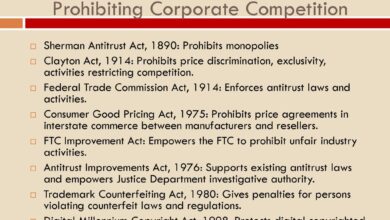
The FTC and DOJ’s guidelines aren’t just some dusty legal document; they’re a living, breathing instrument that constantly adapts to the ever-changing healthcare industry. From the landmark legal cases that shaped their interpretation to the challenges of defining relevant markets in today’s digital age, we’ll explore the historical context, key provisions, and the ongoing impact of these guidelines on healthcare markets.
We’ll examine real-world examples of mergers, both successful and unsuccessful, to understand the factors that influence regulatory decisions. This isn’t just about theory; it’s about understanding the real-world implications for patients and the healthcare system as a whole.
Historical Context of FTC and DOJ Merger Guidelines in Healthcare

Source: deadline.com
The regulation of healthcare mergers in the United States has a long and complex history, reflecting evolving economic and political considerations. Initially, antitrust enforcement focused on broad principles of competition, but the unique characteristics of the healthcare industry—including its complex reimbursement systems, significant barriers to entry, and the inherent importance of patient welfare—have led to a more nuanced and specialized approach.
The evolution of merger guidelines reflects a continuous effort to balance promoting competition with ensuring access to quality and affordable care.The Federal Trade Commission (FTC) and the Department of Justice (DOJ) jointly issue guidelines that provide a framework for evaluating the competitive effects of mergers. These guidelines have evolved significantly over time, becoming increasingly sophisticated in their analysis of healthcare-specific issues.
Early enforcement actions often centered on straightforward market definition and concentration analysis. However, as the healthcare industry consolidated, the agencies needed to develop more refined tools to assess the impact of mergers on factors such as physician networks, hospital services, and pharmaceutical markets.
Evolution of Merger Guidelines in Healthcare
The early years of antitrust enforcement in healthcare saw a focus on preventing mergers that would create monopolies or significantly reduce competition within narrowly defined geographic markets. Later, the guidelines began to incorporate more sophisticated economic analysis, including consideration of the potential for mergers to lead to higher prices, reduced quality, or less innovation. The shift towards a more nuanced approach reflected a growing understanding of the complex interplay of factors affecting competition in healthcare, such as the role of managed care organizations, the increasing importance of specialized medical services, and the impact of technological advancements.
This evolution has been reflected in updated guidelines, which have incorporated new analytical frameworks and addressed emerging competitive concerns.
Key Legal Cases Shaping Interpretation
Several landmark legal cases have profoundly shaped the interpretation and application of merger guidelines in healthcare. For example, theFTC v. Penn State Hershey Medical Center* case highlighted the importance of considering the impact of a merger on physician networks and the potential for reduced access to care. Similarly, cases involving hospital mergers have focused on the potential for anticompetitive effects in specific service markets, such as cardiac surgery or oncology.
These cases established precedents that continue to influence the analysis of healthcare mergers, emphasizing the need for a detailed examination of market structure, competitive dynamics, and the potential for anticompetitive effects. The legal battles often center on the definition of the relevant market, the assessment of market power, and the consideration of efficiencies claimed by the merging entities.
Rationale for Government Involvement
Government involvement in regulating healthcare mergers stems from the fundamental recognition that the healthcare industry is not a typical marketplace. The importance of access to quality, affordable healthcare necessitates a proactive approach to preventing mergers that could harm consumers. Unfettered consolidation can lead to higher prices for services, reduced quality of care, and limited choices for patients. The government’s role is to ensure that mergers do not undermine the competitive dynamics necessary to provide patients with access to a wide range of healthcare services at reasonable prices.
This regulatory oversight aims to protect patients and promote a healthy and competitive healthcare market, balancing the benefits of consolidation with the potential harms.
Key Provisions of the FTC and DOJ Merger Guidelines Relevant to Healthcare
The FTC and DOJ Merger Guidelines provide a framework for evaluating the competitive impact of mergers and acquisitions across various industries, including healthcare. These guidelines aren’t specific to healthcare, but their application within this sector is nuanced due to the unique characteristics of the healthcare market, including its complex payer-provider dynamics and the inherent complexities of measuring market definition and competition.
The key provisions focus on preventing mergers that would substantially lessen competition, harm consumers, and ultimately undermine patient welfare.The guidelines primarily focus on market definition, market concentration, and potential anticompetitive effects. The agencies scrutinize mergers to determine whether the combined entity will have excessive market power, leading to higher prices, reduced quality, or less innovation. Crucially, the analysis goes beyond simple market share calculations, considering factors like the ease of entry for new competitors, the presence of substitutes, and the bargaining power of buyers (e.g., insurers).
Market Definition and Concentration
Defining the relevant market is paramount in merger reviews. In healthcare, this can be particularly challenging due to the diverse range of providers and services. For example, the relevant market for a hospital merger might be defined geographically, considering the area from which patients realistically choose a hospital. Alternatively, it could be defined more narrowly, focusing on specific services like cardiac surgery, where specialized expertise may limit patient choices.
The guidelines emphasize the importance of using a rigorous analytical approach to market definition, considering factors like patient travel patterns, physician referral networks, and the availability of substitute services. High market concentration, typically measured using the Herfindahl-Hirschman Index (HHI), is a strong indicator of potential anticompetitive effects. Mergers resulting in a significant increase in HHI, particularly in already concentrated markets, trigger heightened scrutiny.
Anticompetitive Effects
The guidelines explicitly address various anticompetitive effects that could result from healthcare mergers. These include the potential for price increases, reduced output (e.g., fewer hospital beds or services offered), decreased innovation, and reduced quality of care. The agencies examine the incentives created by a merger for the combined entity to engage in anticompetitive behavior, such as raising prices, reducing services, or stifling innovation.
For instance, a merger between two competing hospital systems might lead to higher prices for patients if the merged entity faces less competitive pressure. Similarly, a merger between pharmaceutical companies could reduce competition in the development and marketing of new drugs.
The FTC and DOJ merger guidelines in healthcare are crucial, especially considering the increasing reliance on digital systems. A key aspect of this is robust cybersecurity, as highlighted by the hhs healthcare cybersecurity framework hospital requirements cms which mandates strong security protocols for hospitals. Therefore, successful mergers must incorporate thorough cybersecurity assessments to meet these regulations and avoid potential FTC/DOJ scrutiny.
Patient Welfare
While not explicitly stated as a separate provision, patient welfare is a crucial underlying consideration throughout the merger review process. The guidelines acknowledge that mergers that reduce competition can negatively impact patient access to care, quality of care, and affordability. The agencies assess the potential impact on patient outcomes, considering factors such as wait times, quality of services, and the range of services available.
For example, a merger that leads to the closure of a hospital in a underserved area could significantly harm patient access to care.
Application to Different Healthcare Providers
The application of the guidelines varies depending on the type of healthcare provider involved.Hospital mergers are subject to intense scrutiny due to their potential impact on hospital services and pricing. The geographic market definition is often critical in these cases. Physician practice mergers are also carefully examined, particularly those involving large physician groups or those that could lead to reduced competition in specialist services.
The agencies consider the potential for these mergers to reduce access to care, increase prices, or limit patient choice. Pharmaceutical company mergers are evaluated for their potential impact on drug prices, innovation, and access to new medicines. The guidelines pay close attention to the potential for mergers to create or enhance market power, leading to higher drug prices and reduced innovation.
Analyzing the Impact of Mergers on Healthcare Markets

Source: slidesharecdn.com
The FTC and DOJ merger guidelines provide a framework for evaluating the competitive effects of healthcare mergers. Understanding this framework is crucial for both merging entities and regulatory bodies to ensure that mergers don’t stifle competition, ultimately harming patients and the healthcare system. This analysis focuses on the practical application of these guidelines, examining specific methods for assessing the impact on key factors like patient access, quality of care, and healthcare costs.
A Framework for Assessing the Competitive Effects of Healthcare Mergers
The assessment of a healthcare merger’s potential competitive effects relies on a multi-faceted approach, drawing heavily on the Herfindahl-Hirschman Index (HHI) and market definition. The HHI measures market concentration, with higher scores indicating less competition. Market definition involves identifying the relevant geographic area and the specific types of healthcare services involved. The guidelines then consider factors such as the merging parties’ market shares, the presence of potential entrants, and the likelihood of coordinated or unilateral effects on pricing and innovation.
A crucial aspect involves evaluating the potential for the merged entity to exercise market power, leading to higher prices, reduced quality, or limited access to care. The analysis also needs to consider the specific characteristics of the healthcare market, such as the presence of insurance networks, government regulation, and the complexities of healthcare payment systems.
Examples of Challenged and Approved Mergers
The FTC and DOJ have taken differing stances on various healthcare mergers, based on their assessment of the competitive effects. For example, the FTC challenged the merger of two large hospital systems in a specific region, arguing that the combination would lead to higher prices for patients due to reduced competition. The courts ultimately agreed, blocking the merger. In contrast, the DOJ approved the merger of two smaller healthcare providers, concluding that the merger would not significantly reduce competition because of the presence of numerous other providers in the area and the low market share of the merging entities.
These contrasting decisions highlight the nuanced and case-specific nature of merger reviews. The specific details of each market, including the number of competitors, their market shares, and the ease of entry for new competitors, significantly influenced the outcome.
Evaluating the Impact of Mergers on Patient Access, Quality, and Costs
Evaluating the impact of mergers requires a detailed analysis of potential effects on patient access, quality of care, and healthcare costs. This involves analyzing factors such as the availability of services, wait times, patient satisfaction scores, and the overall cost of care. Data from before and after the merger, alongside comparative data from similar markets, is essential. Qualitative factors, such as the impact on the range of services offered and the reputation of the providers, also need to be considered.
Econometric modeling can be used to estimate the potential impact on prices, but this should be supplemented by qualitative evidence.
The FTC and DOJ merger guidelines in healthcare are tightening, making deals increasingly complex. This scrutiny is especially relevant given the news that NextGen Healthcare is exploring a sale, as reported by Reuters here. The potential buyer will undoubtedly need to navigate these stringent guidelines to secure approval, highlighting the growing challenges in healthcare M&A. The outcome will be a key indicator of future FTC and DOJ enforcement in this sector.
Comparative Analysis of Merger Scenarios
| Scenario | Access | Quality | Cost |
|---|---|---|---|
| Merger of two large hospital systems in a geographically limited market with few competitors | Reduced; potentially longer wait times, limited service availability | Potentially reduced; less incentive for quality improvement | Increased; higher prices for patients due to reduced competition |
| Merger of two smaller providers in a market with many competitors | No significant change; potentially improved efficiency leading to faster access | Potentially improved; economies of scale may allow for investment in technology and staff training | Potentially decreased; efficiencies may lead to cost savings |
| Merger of a large hospital system with a smaller specialized clinic | Improved access to specialized care for patients within the larger system’s network | Potentially improved; integration of specialized expertise | Potentially unchanged or slightly increased; depending on negotiation and market power |
The Role of Market Definition in Healthcare Merger Reviews: Ftc Doj Merger Guidelines Healthcare
Defining the relevant market is a crucial, and often contentious, step in evaluating the potential anti-competitive effects of healthcare mergers. The FTC and DOJ must accurately delineate the boundaries of the market to assess the degree of market concentration and the likelihood of post-merger anti-competitive behavior. This process is particularly challenging in healthcare due to the complex interplay of providers, payers, and the unique characteristics of different medical services.The precise definition of the relevant market significantly influences the outcome of a merger review.
A narrowly defined market might show high concentration and raise antitrust concerns, while a broadly defined market might indicate less concentration and diminish those concerns. This highlights the importance of rigorous market analysis in these cases.
The FTC and DOJ merger guidelines for healthcare are crucial, especially considering the power dynamics at play. The recent new york state nurse strike NYSNA Montefiore Mount Sinai highlights the worker shortages impacting healthcare systems, a factor that could influence merger approvals. Ultimately, these guidelines need to consider the impact on patient care and fair competition, ensuring quality doesn’t suffer from consolidation.
Geographic Market Definition in Healthcare, Ftc doj merger guidelines healthcare
Defining the geographic scope of a healthcare market is complex because patients’ willingness to travel for care varies significantly depending on the type of service. For routine primary care, patients might only consider providers within a limited radius. However, for specialized services like organ transplants or cancer treatment, patients may travel considerable distances, potentially expanding the relevant geographic market considerably.
The agencies consider factors like travel time, patient preference, and the presence of substitute providers in determining the geographic boundaries. For example, a merger between two large hospital systems in a rural area might be viewed differently than a similar merger in a densely populated urban area with numerous alternative providers. The analysis needs to account for the specific characteristics of the relevant healthcare services and the patient population.
Product Market Definition in Healthcare
Defining the product market in healthcare involves identifying the range of services or products that are considered substitutable by patients and payers. This is complicated by the fact that healthcare services are often differentiated by quality, specialization, and reputation. For instance, a merger between two hospitals offering similar general services might be treated differently from a merger between a large hospital system and a specialized oncology clinic.
The assessment involves analyzing whether patients would switch to alternative providers in response to a price increase or a reduction in service quality resulting from the merger. The agencies may use surveys, interviews, and econometric modeling to determine the substitutability of different healthcare services.
Factors Considered When Defining Relevant Markets in Healthcare
Defining relevant markets in healthcare requires a multifaceted approach, considering various factors. The agencies use a combination of quantitative and qualitative data to reach a decision.
- Type of Healthcare Service: The specific service being offered (e.g., primary care, specialized surgery, pharmaceuticals) significantly influences the market definition. Highly specialized services often have narrower markets than more common services.
- Payer Mix: The mix of private and public payers (Medicare, Medicaid) influences patient access and the potential for price increases. A merger affecting a significant portion of patients covered by a particular payer might raise concerns.
- Provider Network Participation: Participation in managed care networks affects the market definition. Mergers between providers with significant network participation could lead to reduced choice and higher prices for insured patients.
- Geographic Accessibility: Travel time, transportation options, and the availability of alternative providers within a reasonable distance are critical factors. Rural areas typically have narrower markets than urban areas.
- Patient Preferences and Switching Costs: The willingness of patients to switch providers, influenced by factors such as physician relationships and quality perceptions, is crucial in market definition. High switching costs might indicate a narrower market.
- Quality of Care: Differences in quality, reputation, and technology among providers influence patient choice and can affect market boundaries. A merger involving high-quality providers might be viewed differently from a merger of lower-quality providers.
- Entry Barriers: The ease or difficulty of new providers entering the market is crucial. High barriers, such as regulatory hurdles or high capital requirements, might limit competition and justify a narrower market definition.
Emerging Trends and Challenges in Healthcare Merger Enforcement
The healthcare industry is undergoing a period of rapid transformation, driven by technological advancements, evolving payment models, and a growing focus on value-based care. These changes are creating new challenges for antitrust regulators like the FTC and DOJ as they assess the competitive implications of mergers and acquisitions in this dynamic sector. The traditional frameworks for analyzing market power and competitive effects are being tested by novel business models and the blurring lines between different healthcare sectors.The increasing complexity of healthcare transactions necessitates a flexible and adaptive approach to merger enforcement.
Regulators must grapple with the implications of emerging trends, such as the rise of telehealth, the expansion of data analytics in healthcare, and the increasing consolidation of provider networks. These developments necessitate a thorough understanding of how these new models affect market definition, competitive dynamics, and the potential for anticompetitive effects. Furthermore, the global nature of some healthcare companies adds another layer of complexity to merger reviews, requiring international collaboration and coordination.
Telehealth’s Impact on Market Definition
The rise of telehealth has significantly altered the geographic scope of healthcare markets. Traditionally, market definition in healthcare has relied heavily on geographic proximity, reflecting the limitations of in-person care. However, telehealth allows providers to reach patients across vast distances, effectively expanding their market reach. For example, consider a hypothetical merger between two large telehealth companies specializing in cardiology.
Prior to the widespread adoption of telehealth, the relevant market for each company might have been limited to the geographic areas where they had physical clinics. However, post-telehealth, their market could encompass a much broader region, potentially spanning multiple states or even the entire country, depending on the reach of their digital platforms and patient base. This expanded market necessitates a reevaluation of market concentration and the potential for anticompetitive effects following a merger.
The FTC and DOJ must account for this expanded reach when analyzing the potential for a merger to lessen competition. They might consider factors like the types of telehealth services offered, the geographic reach of the platforms, and the overlap in patient populations served.
Challenges in Applying Guidelines to New Business Models
Applying established merger guidelines to innovative healthcare business models presents significant challenges. For example, the emergence of data-driven healthcare platforms and artificial intelligence (AI) applications raises concerns about the potential for anticompetitive data aggregation and the creation of insurmountable barriers to entry. These platforms often possess vast amounts of patient data, which can be leveraged to improve care quality, develop new treatments, and even gain a competitive edge in the market.
A merger between two such platforms could lead to a significant concentration of data, potentially stifling innovation and competition. Regulators are still developing the analytical tools and frameworks to adequately assess the competitive implications of data-driven healthcare models. They are grappling with how to define relevant markets in this context, measure market power based on data control, and predict the potential for anticompetitive behavior.
One approach is to examine the potential for the merged entity to foreclose access to essential data or limit the ability of competitors to develop and offer comparable services.
Adaptation of FTC and DOJ Guidelines to Address New Challenges
The FTC and DOJ are actively adapting their guidelines to address the challenges posed by these emerging trends. This involves a greater emphasis on dynamic market analysis, which accounts for future market developments and technological advancements. The agencies are also increasingly focusing on the potential for mergers to stifle innovation and limit the development of new technologies. For instance, the agencies might examine whether a merger would eliminate a potential competitor with a disruptive technology or limit the access of smaller companies to essential data or resources.
Further, the agencies are improving their ability to collect and analyze complex data, including electronic health records and other digital health data, to assess the competitive impact of mergers more effectively. They are also collaborating with other regulatory agencies, both domestically and internationally, to share information and coordinate enforcement efforts. This collaborative approach is particularly crucial in addressing mergers involving multinational healthcare companies.
International Perspectives on Healthcare Merger Regulation
The United States isn’t alone in grappling with the complexities of healthcare mergers. Many developed nations have established their own regulatory frameworks, each reflecting unique healthcare systems, economic priorities, and political landscapes. Comparing these approaches reveals both common goals – ensuring patient access, affordability, and quality – and significant differences in methodology and enforcement. Understanding these international perspectives enriches our comprehension of the US approach and its potential for improvement.
A key difference lies in the intensity of scrutiny. While the US employs a robust system involving both the FTC and DOJ, other countries may rely on a single authority or a less stringent review process. This variation stems from differing levels of market concentration, the role of public versus private healthcare, and the overall regulatory philosophy of each nation.
For example, some countries may prioritize promoting competition through less interventionist approaches, whereas others might favor a more proactive regulatory stance to safeguard public health interests.
Healthcare Merger Regulation in the European Union
The European Union’s approach to healthcare mergers is significantly influenced by its competition law, which emphasizes a broad assessment of market impact. The European Commission (EC) meticulously evaluates the potential effects on competition, considering factors such as market definition, market power, and the potential for anti-competitive practices like price increases or reduced innovation. Unlike the US, which often focuses on specific market segments, the EC might adopt a broader perspective, encompassing related services or geographic areas.
This holistic approach often leads to a more in-depth investigation, sometimes resulting in conditions imposed on mergers to mitigate anti-competitive risks. For instance, a merger between two large pharmaceutical companies might be approved only if they agree to license certain drugs to competitors, ensuring continued availability and preventing market dominance.
The Influence of International Competition Policies
International organizations like the Organisation for Economic Co-operation and Development (OECD) play a significant role in shaping global competition policies, indirectly influencing the FTC and DOJ guidelines. The OECD promotes best practices and fosters dialogue among member countries, encouraging convergence in approaches to merger control. While not legally binding, OECD recommendations and guidelines often serve as a benchmark for national regulatory agencies, encouraging a more harmonized and effective global approach to competition enforcement.
This exchange of information and best practices helps improve the effectiveness of merger reviews worldwide, leading to more informed decisions and potentially preventing anti-competitive outcomes.
Comparative Assessment of Competitive Effects in Healthcare Mergers
Canada, for example, employs a system that mirrors aspects of the US approach, with both federal and provincial authorities involved in reviewing healthcare mergers. However, the emphasis might differ. While the US heavily emphasizes market concentration and price effects, Canada might place greater weight on factors such as access to care and the impact on public healthcare services. Australia, on the other hand, may adopt a more streamlined review process, focusing on the overall efficiency gains of the merger, balancing them against potential anti-competitive concerns.
These differences highlight the diverse perspectives on prioritizing competition and the specific needs of each healthcare system. The UK’s Competition and Markets Authority (CMA) offers another example, with its rigorous investigations often leading to detailed remedies or even blocking of mergers deemed detrimental to competition within the healthcare sector.
Final Review
Navigating the world of FTC and DOJ merger guidelines in healthcare requires a keen understanding of the legal framework, market dynamics, and the potential consequences for patients. While the guidelines aim to promote competition and protect patient welfare, their application is nuanced and complex. The ongoing evolution of the healthcare industry, with its technological advancements and shifting business models, presents continuous challenges for regulators.
Ultimately, the success of these guidelines hinges on their ability to adapt to these changes while ensuring a fair and equitable healthcare system for everyone. Understanding these guidelines is crucial for anyone invested in the future of healthcare – from healthcare providers to policymakers and patients alike.
Top FAQs
What happens if a healthcare merger violates the FTC/DOJ guidelines?
The FTC or DOJ can sue to block the merger, or even order divestiture (selling off parts of the merged entity) if the merger has already occurred.
How long does the FTC/DOJ review process typically take?
The review process can vary greatly, but it often takes several months, sometimes even longer, depending on the complexity of the merger and the amount of information required.
Can smaller healthcare mergers avoid scrutiny?
No, even smaller mergers can be subject to review if they raise significant antitrust concerns. The focus is on the potential impact on competition, not the size of the merging entities.
How are telehealth mergers reviewed differently?
The review process for telehealth mergers considers the unique aspects of telehealth, including its geographic reach and potential impact on market competition in both physical and virtual spaces.