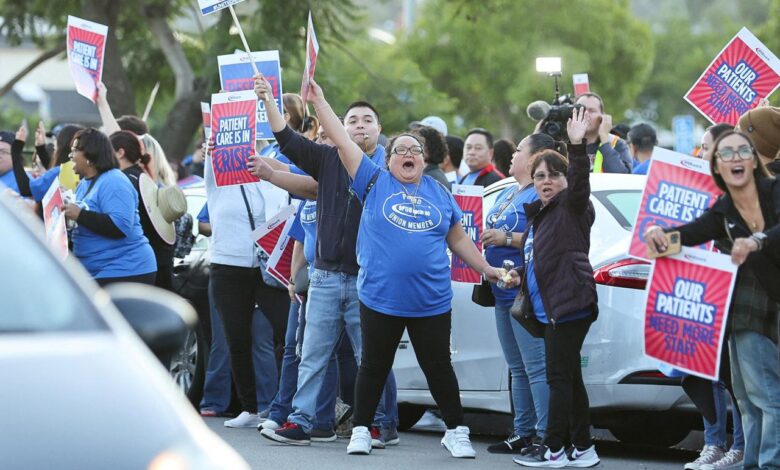
Kaiser Unions Strike Unfair Labor Practices
Kaiser unions issue unfair labor practice strike notice as bargaining further deteriorates, escalating tensions between the healthcare giant and its workforce. This brewing conflict highlights long-standing issues within the healthcare industry concerning fair wages, staffing levels, and overall working conditions. The strike notice marks a significant turning point in these negotiations, potentially impacting thousands of healthcare workers and countless patients.
Let’s delve into the details of this unfolding situation and explore the potential ramifications.
The dispute centers around several key allegations of unfair labor practices by Kaiser Permanente, including claims of retaliatory actions against union members and insufficient progress in addressing critical concerns regarding staffing shortages and patient safety. The unions’ evidence, ranging from internal memos to witness testimonies, paints a picture of a strained relationship between management and employees. Kaiser Permanente, on the other hand, maintains its commitment to fair negotiations and accuses the union of unreasonable demands that would jeopardize the financial stability of the organization.
Kaiser Permanente’s Labor Relations History
Kaiser Permanente, a massive integrated healthcare system, has a long and complex history of labor relations, marked by both periods of cooperation and significant conflict. Understanding this history is crucial to grasping the current dynamics between the organization and its unions, and the ongoing negotiations and occasional strikes. The relationship has been shaped by the unique structure of Kaiser Permanente itself, a blend of healthcare provision and a large employer with a significant unionized workforce.
The historical context is deeply intertwined with the origins of Kaiser Permanente itself. Founded during World War II to provide healthcare for shipyard workers, the system’s initial structure inherently involved strong union representation. This legacy of collective bargaining has continued, albeit with varying degrees of tension, throughout its history. The system’s size and influence within the healthcare industry have also made its labor disputes significant events within the broader national conversation on healthcare worker rights and compensation.
Significant Labor Disputes and Negotiations
Kaiser Permanente’s labor relations have been punctuated by several significant disputes and negotiations. These events have shaped the current landscape and influenced the ongoing bargaining processes. While precise dates and details vary across different unions and locations, a general overview reveals a pattern of cyclical negotiations, often leading to strikes or work stoppages when agreements cannot be reached.
For instance, major nurses’ strikes have occurred in various regions throughout the past two decades, highlighting ongoing concerns over staffing levels, wages, and benefits. Similarly, other unions representing various healthcare professionals have engaged in collective bargaining actions, often involving statewide or multi-state campaigns. These events are often accompanied by significant media attention and public discourse on healthcare worker compensation and working conditions.
Examples of Past Collective Bargaining Agreements and Their Outcomes
Analyzing past collective bargaining agreements provides valuable insights into the evolving relationship between Kaiser Permanente and its unions. These agreements, often spanning several years, typically cover a range of issues including wages, benefits, working conditions, and grievance procedures. The outcomes of these negotiations have varied, with some resulting in significant improvements for workers and others falling short of union demands.
For example, some agreements have led to increased wages and improved benefits packages, while others have resulted in ongoing disputes regarding staffing ratios and workplace safety. Access to the specifics of these agreements is often limited, as they are typically confidential documents negotiated between the parties involved. However, publicly available information, such as press releases and union reports, can offer some insights into the key terms and outcomes of these negotiations.
Comparison of Kaiser Permanente’s Labor Practices with Other Large Healthcare Providers
Comparing Kaiser Permanente’s labor practices with those of other large healthcare providers offers a broader perspective on the organization’s approach to labor relations. This comparison requires considering factors such as unionization rates, frequency of labor disputes, and the overall compensation and benefits packages offered to employees. While a comprehensive quantitative comparison would require extensive research and data analysis, anecdotal evidence suggests that Kaiser Permanente’s labor relations, while often contentious, are not entirely unique within the healthcare industry.
Many large healthcare systems face similar challenges in balancing the needs of their workforce with the financial constraints of the industry. However, the specific dynamics of each organization’s labor relations are influenced by factors such as its organizational structure, geographic location, and the specific unions representing its employees. A thorough comparative analysis would need to consider these variables to draw meaningful conclusions.
The Unfair Labor Practice Allegations
The Kaiser Permanente union strike, stemming from stalled contract negotiations, is fueled by serious allegations of unfair labor practices (ULPs) by the healthcare giant. These allegations, if proven, could significantly impact the outcome of the negotiations and potentially lead to further legal action. Understanding the specifics of these allegations is crucial to comprehending the depth of the conflict.
The unions allege a pattern of behavior by Kaiser Permanente that violates the National Labor Relations Act (NLRA), a federal law protecting employees’ rights to organize and bargain collectively. The NLRA prohibits employers from engaging in actions that interfere with, restrain, or coerce employees in the exercise of their rights. The unions contend that Kaiser’s actions during negotiations have directly violated several sections of this Act, aiming to undermine union strength and influence the outcome of bargaining in their favor.
Specific Unfair Labor Practice Allegations
The unions’ accusations encompass a range of actions, including but not limited to, refusing to bargain in good faith, unilaterally implementing changes to terms and conditions of employment, and engaging in surveillance and intimidation of union members. Specific examples provided by the unions form the core of their case. For instance, the unions may allege that Kaiser refused to provide requested information relevant to bargaining, a clear violation of the duty to bargain in good faith.
They might also point to instances where Kaiser implemented changes to employee benefits or scheduling without prior negotiation, directly impacting working conditions and demonstrating a disregard for the collective bargaining process. Further allegations may involve attempts to discourage union membership through surveillance or disciplinary actions against active union members.
The Kaiser unions’ unfair labor practice strike notice, escalating as bargaining continues, highlights the growing tension in healthcare negotiations. It makes me think about the advancements in AI, like the amazing integration of Nuance’s generative AI scribe with Epic EHRs, as described in this article: nuance integrates generative ai scribe epic ehrs. Perhaps such tech could streamline administrative tasks, freeing up time for better negotiations – but the core issues of fair wages and working conditions remain at the heart of the Kaiser dispute.
Legal Basis for Allegations
The legal basis for these allegations rests primarily on Section 8(a) of the NLRA. This section Artikels several unfair labor practices by employers, including interference with, restraint, or coercion of employees in the exercise of their rights; dominating or interfering with the formation or administration of a labor organization; discriminating against employees because of their union activities; and refusing to bargain collectively.
The unions would need to demonstrate that Kaiser’s actions fall under one or more of these prohibited activities. Case law interpreting Section 8(a) provides a framework for evaluating the validity of the unions’ claims. For example, past court rulings have established clear precedents for what constitutes “good faith bargaining” and what actions constitute unlawful interference with union activities.
Evidence Presented by the Unions
The unions supporting their claims with a variety of evidence, including witness testimonies from employees who experienced or witnessed the alleged ULPs, internal Kaiser Permanente documents, emails, and communications that may reveal attempts to undermine the union, and data showing disparities in treatment between union and non-union employees. The strength of their case will depend on the credibility and persuasiveness of this evidence.
The unions would likely present this evidence before the National Labor Relations Board (NLRB), the agency responsible for investigating and adjudicating ULP charges.
Summary of Allegations, Evidence, and Kaiser Permanente’s Response
| Allegation | Supporting Evidence | Kaiser Permanente’s Response |
|---|---|---|
| Refusal to bargain in good faith (e.g., withholding information) | Union requests for information denied; documented instances of incomplete or delayed responses. | Kaiser may argue that information was provided or that requests were unreasonable or not relevant to bargaining. |
| Unilateral implementation of changes to working conditions | Documented changes to scheduling, benefits, or other terms of employment without prior union negotiation. | Kaiser might claim that changes were necessary for operational reasons or were consistent with past practice. |
| Intimidation and surveillance of union members | Witness testimonies of management surveillance, disciplinary actions against active union members, and potentially internal communications revealing such intentions. | Kaiser would likely deny these allegations, potentially claiming that actions taken were unrelated to union activity. |
| Discriminatory treatment of union members | Data comparing treatment and outcomes (promotions, disciplinary actions) between union and non-union employees. | Kaiser may offer alternative explanations for any observed disparities. |
The Impact of the Strike Notice
Source: upi.com
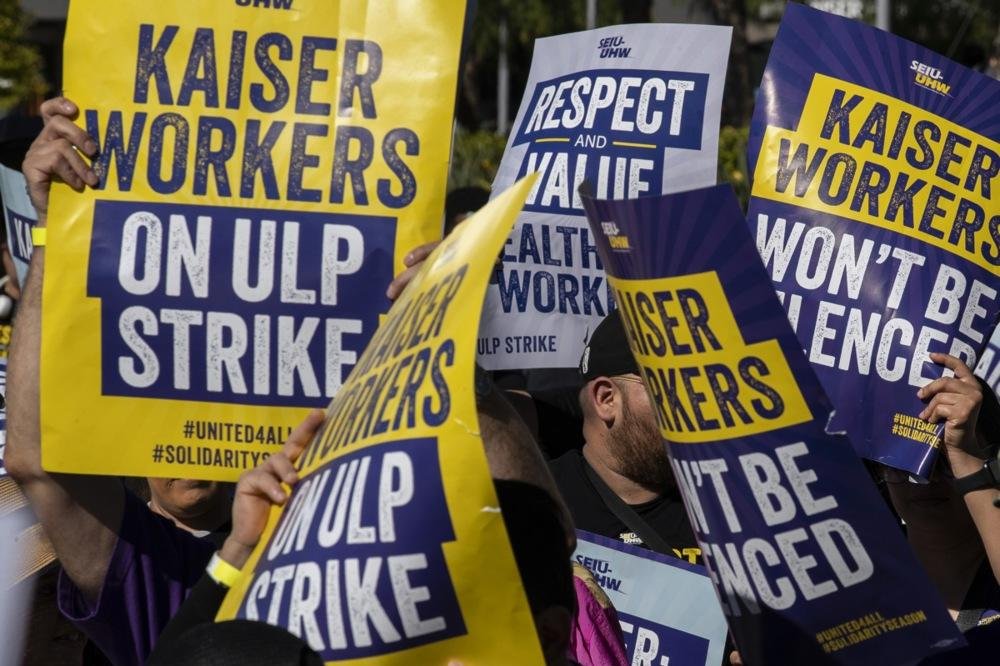
The Kaiser Permanente union strike, following the issuance of an unfair labor practice strike notice, presents a complex scenario with far-reaching consequences for various stakeholders. The potential disruption to services, financial implications, and overall impact on patient care need careful consideration. This section will delve into the projected effects of this labor action.The potential impact on Kaiser Permanente’s operations is significant.
A prolonged strike could lead to widespread service disruptions across numerous facilities, affecting routine appointments, elective procedures, and even emergency services, depending on the scale of participation. Departments heavily reliant on unionized staff, such as nursing, laboratory services, and administrative functions, would be particularly vulnerable. The ripple effect could impact other areas, potentially delaying non-emergency procedures and creating backlogs.
Impact on Patients and Healthcare Services
The most immediate and concerning consequence is the impact on patient care. Delayed or cancelled appointments could lead to worsening health conditions for some patients, particularly those with chronic illnesses requiring regular monitoring or treatment. Access to essential healthcare services might be compromised, potentially resulting in longer wait times in emergency rooms and increased strain on other healthcare providers in the community.
The disruption could also affect the continuity of care, leading to confusion and potential medical errors. For example, a delay in receiving vital medication refills could have severe consequences for patients dependent on such medication. The lack of access to routine check-ups and preventative care could also lead to more serious health problems in the long run.
Financial Costs of the Strike
The financial implications of the strike are substantial for both Kaiser Permanente and its employees. For Kaiser, the direct costs include paying temporary replacement staff, lost revenue from cancelled procedures and appointments, and potential legal fees. Indirect costs could include damage to Kaiser’s reputation and decreased patient satisfaction. The cost of maintaining facilities during the strike and addressing any subsequent backlog of appointments would also add to the financial burden.
Estimating the exact financial impact is difficult, but we can look to previous large-scale healthcare strikes for comparison. For example, the 2019 nurses’ strike at a major hospital system resulted in an estimated loss of tens of millions of dollars for the hospital. Employees, on the other hand, face lost wages during the strike period, potentially impacting their ability to meet financial obligations and creating financial hardship for many.
Consequences for Various Stakeholders
The potential consequences of the strike are multifaceted and affect a wide range of stakeholders:
- Patients: Delayed or cancelled appointments, reduced access to care, potential worsening of health conditions, increased wait times, disruption to ongoing treatment plans.
- Employees (Unionized): Lost wages, potential financial hardship, uncertainty about job security, potential strain on personal relationships due to financial stress.
- Employees (Non-Unionized): Increased workload, potential stress from covering for absent colleagues, potential for burnout.
- Management: Loss of revenue, increased operational costs, reputational damage, potential legal challenges, pressure to negotiate a favorable settlement.
- Community: Reduced access to healthcare services, potential strain on other healthcare providers, economic impact due to reduced spending in the local area.
Bargaining Positions and Potential Solutions: Kaiser Unions Issue Unfair Labor Practice Strike Notice As Bargaining Furth
Source: brightspotcdn.com
The Kaiser unions’ unfair labor practice strike notice, escalating as bargaining continues, highlights the immense pressure on healthcare systems. This pressure is further underscored by the fact that, according to this article on hospital margins to stabilize below pre pandemic levels , financial recovery is lagging. This financial strain likely fuels the unions’ demands and makes a resolution to the strike even more challenging.
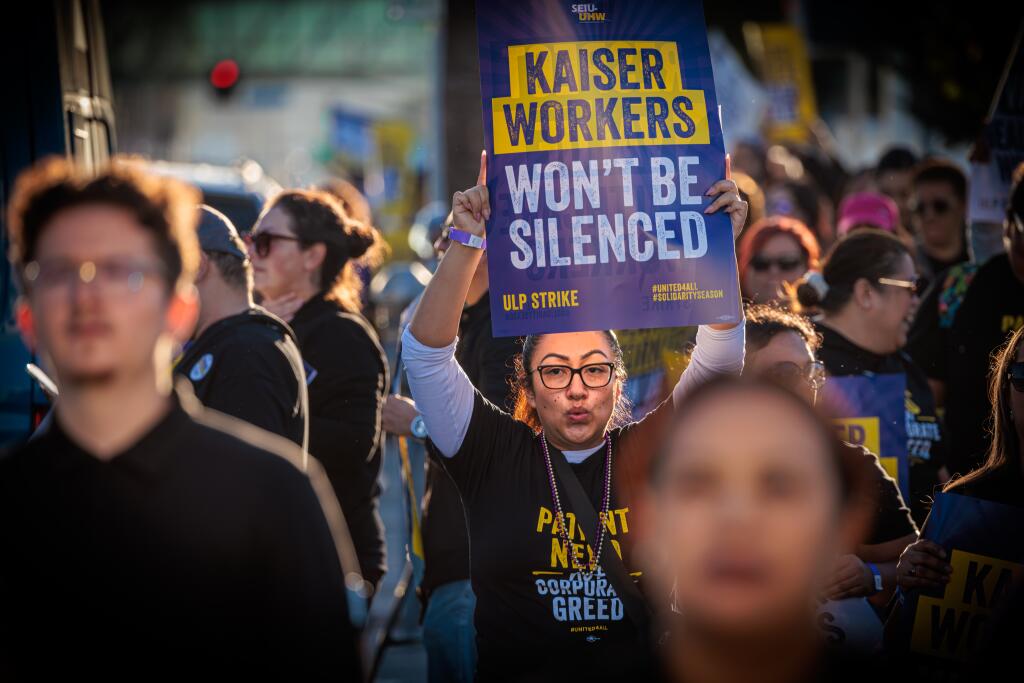
The Kaiser Permanente labor dispute highlights a significant clash between the unions’ priorities for their members and Kaiser’s strategic goals for cost control and operational efficiency. Understanding the differing bargaining positions is crucial to assessing the potential for a resolution and the impact on patient care and the healthcare industry as a whole. This section will delve into the specifics of each side’s demands, the key sticking points, and potential compromise solutions.
The core of the disagreement stems from fundamental differences in how both parties view the value of healthcare workers and the financial sustainability of the Kaiser system. While the unions emphasize fair wages, improved benefits, and safe staffing levels, Kaiser Permanente focuses on managing costs, maintaining competitiveness, and ensuring the long-term viability of its healthcare delivery model. This conflict often manifests in seemingly irreconcilable demands and counter-offers.
Union Demands and Kaiser Permanente’s Counter-Offers
The unions’ demands typically center around several key areas: significant wage increases to match inflation and compensate for years of perceived stagnant pay; improvements to healthcare benefits, including enhanced coverage and reduced out-of-pocket costs for members; and increased staffing levels to address concerns about burnout, patient safety, and quality of care. They argue that these demands are essential to retain experienced staff, attract new talent, and maintain the high standards of care Kaiser Permanente is known for.
Kaiser Permanente, in its counter-offers, often emphasizes the financial constraints of the healthcare industry. They may propose smaller wage increases, arguing that larger increases are unsustainable and could impact patient affordability. Similarly, they might offer modifications to benefits packages, suggesting cost-saving measures while maintaining adequate coverage. Regarding staffing levels, Kaiser might point to operational efficiencies and technological advancements as ways to address workload concerns without necessarily increasing headcount.
The difference between the union’s demands and Kaiser’s counter-offers often represents a significant gap that needs bridging.
Key Sticking Points in Negotiations
One major sticking point consistently involves staffing ratios. Unions advocate for mandated nurse-to-patient ratios and other staffing guidelines to ensure adequate care and reduce employee stress. Kaiser Permanente often resists these mandates, citing concerns about inflexibility, potential cost increases, and the need for management to maintain operational flexibility based on fluctuating patient demand.
The Kaiser unions’ unfair labor practice strike notice, escalating as bargaining continues, highlights the fragility of healthcare negotiations. This situation makes me think about the bigger picture, like the aha hospital groups court brief urging a stay to restore the Affordable Care Act’s preventive services , which underscores the ongoing battles to ensure access to healthcare.
Ultimately, both situations demonstrate the need for strong advocacy and fair labor practices to protect patient care and worker rights.
Another critical area of contention is wage increases. While unions seek substantial raises to reflect the increased cost of living and the value of their members’ work, Kaiser Permanente often argues that such increases are not financially feasible, potentially jeopardizing the organization’s financial health and impacting patient care costs. This difference in perspective on financial feasibility frequently leads to protracted negotiations.
Potential Compromise Solutions
Several potential compromise solutions could help resolve the dispute. A phased approach to wage increases, for example, could satisfy both parties. Kaiser Permanente could offer smaller, incremental raises over several years, gradually increasing wages while maintaining fiscal responsibility. Simultaneously, the unions could agree to evaluate staffing levels and explore solutions like improved scheduling, technology integration, and cross-training to enhance efficiency and address workload concerns before resorting to large-scale hiring.
Regarding benefits, a joint review of the benefits package, involving both union representatives and Kaiser Permanente management, could identify areas where cost savings can be achieved without significantly compromising coverage. This collaborative approach could foster trust and lead to mutually agreeable solutions. Finally, establishing a joint committee to monitor staffing levels and address concerns proactively could provide a mechanism for ongoing dialogue and conflict resolution, minimizing the risk of future disputes.
Public Perception and Media Coverage
The Kaiser Permanente nurses’ strike, and the accompanying unfair labor practice allegations, has quickly become a significant news story, shaping public perception of both the union and the healthcare giant. How the media frames this conflict will significantly influence public sympathy and ultimately, the outcome of negotiations. The narrative crafted by news outlets, social media, and even Kaiser Permanente’s own PR efforts will determine whether the public views the union’s demands as reasonable or unreasonable, and whether the strike is perceived as a necessary action or an irresponsible disruption of healthcare services.Media portrayal significantly impacts public opinion and negotiation outcomes.
Positive media coverage highlighting the nurses’ dedication, concerns about patient safety due to understaffing, and the perceived unfairness of Kaiser’s labor practices could sway public opinion in the union’s favor, potentially increasing pressure on Kaiser to concede. Conversely, negative coverage focusing on disruptions to patient care, financial burdens on the healthcare system, or portraying the union’s demands as excessive could damage the union’s image and weaken its bargaining position.
This can lead to a less favorable outcome during negotiations.
Hypothetical Media Narratives and Their Impact
Imagine two contrasting scenarios. In Scenario A, news reports focus on the dedication of the nurses, showcasing interviews with nurses describing overworked conditions, insufficient staffing levels impacting patient care, and Kaiser’s alleged refusal to address these concerns. Images of nurses picketing peacefully, alongside supportive community members, would reinforce the narrative of a just cause. This positive media framing could lead to public support for the strike and pressure on Kaiser to negotiate fairly.In Scenario B, the media emphasizes the disruption caused by the strike, focusing on patients facing delayed treatments and appointments.
Headlines might highlight the financial costs of the strike to both Kaiser and the community. If the media focuses on union demands as unrealistic or unreasonable, public opinion could shift against the union, potentially weakening their bargaining power and pushing them to accept less favorable terms.
Comparison with Similar Healthcare Labor Disputes
The media coverage of this strike can be compared to previous major healthcare labor disputes, such as the 2019 nurses’ strike at Providence St. Joseph Health. In that instance, initial media reports highlighted the nurses’ concerns about staffing ratios and patient safety, generating considerable public sympathy. However, as the strike prolonged, the narrative shifted somewhat, with increased focus on the economic impact and disruptions to healthcare services.
Analyzing how public opinion evolved during that dispute, and the role of media in shaping that evolution, provides valuable insight into potential outcomes for the Kaiser strike. Another example could be the various nurses strikes across the nation in recent years, noting how the specific framing of the issues (staffing, wages, benefits) influenced public perception and negotiation results.
A comparative analysis of these cases, considering factors like the specific issues at stake, the geographic location, and the overall political and economic climate, would offer a more nuanced understanding of how media coverage shapes public opinion in healthcare labor disputes.
Illustrative Examples of similar disputes
The Kaiser Permanente labor dispute isn’t unique in the healthcare sector. Many similar conflicts have occurred, highlighting recurring issues in the relationship between healthcare providers and their unions. Examining these past disputes offers valuable insight into potential outcomes and long-term impacts for the Kaiser situation. Understanding the causes, resolutions, and lasting effects of these past conflicts can help us better understand the current situation and anticipate its trajectory.
The 2019 Nurses’ Strike at St. Vincent’s Hospital
The 2019 strike by nurses at St. Vincent’s Hospital in New York City involved the New York State Nurses Association (NYSNA) and the hospital administration. The core issue was staffing levels, with nurses arguing that inadequate staffing compromised patient care and created unsafe working conditions. The hospital administration, citing budgetary constraints, resisted significant changes to staffing ratios. The strike lasted several days, resulting in significant disruption to hospital services.
Eventually, a tentative agreement was reached that included improved staffing ratios in certain units and wage increases. However, the long-term effects remain a subject of debate, with some arguing that the agreement hasn’t fully addressed the underlying staffing issues, while others point to improved nurse retention rates as a positive outcome. Key players included the NYSNA, St. Vincent’s Hospital administration, and the affected nurses themselves.
The 2016 SEIU Healthcare Workers Strike in California, Kaiser unions issue unfair labor practice strike notice as bargaining furth
In 2016, members of the Service Employees International Union (SEIU) representing healthcare workers in several California hospitals went on strike. The central issues were wages, benefits, and safe staffing levels, mirroring concerns seen in many healthcare labor disputes. The strike involved numerous hospitals and thousands of workers, significantly impacting patient care across the state. The strike resulted in a multi-year contract agreement that included wage increases, improved benefits, and some progress on staffing ratios.
However, the long-term effects were mixed. While some gains were made in worker compensation and benefits, the issue of safe staffing remained a significant challenge in many facilities. Key players were SEIU, various California hospital administrations, and a large number of healthcare workers across multiple facilities.
The 2012 Registered Nurses’ Strike at Tenet Healthcare
A significant strike by registered nurses represented by the California Nurses Association (CNA) against Tenet Healthcare in 2012 focused on patient safety and nurse-to-patient ratios. The nurses argued that excessive workloads and inadequate staffing endangered patient care. Tenet Healthcare, maintaining it was already meeting industry standards, resisted the union’s demands. The strike, while disruptive, ultimately led to improved staffing ratios in some facilities and enhanced patient safety protocols.
However, the long-term impact varied across different Tenet facilities, with some seeing sustained improvements and others facing ongoing challenges regarding staffing levels. Key players included the CNA, Tenet Healthcare administration, and the affected registered nurses.
Outcome Summary
Source: cnn.com
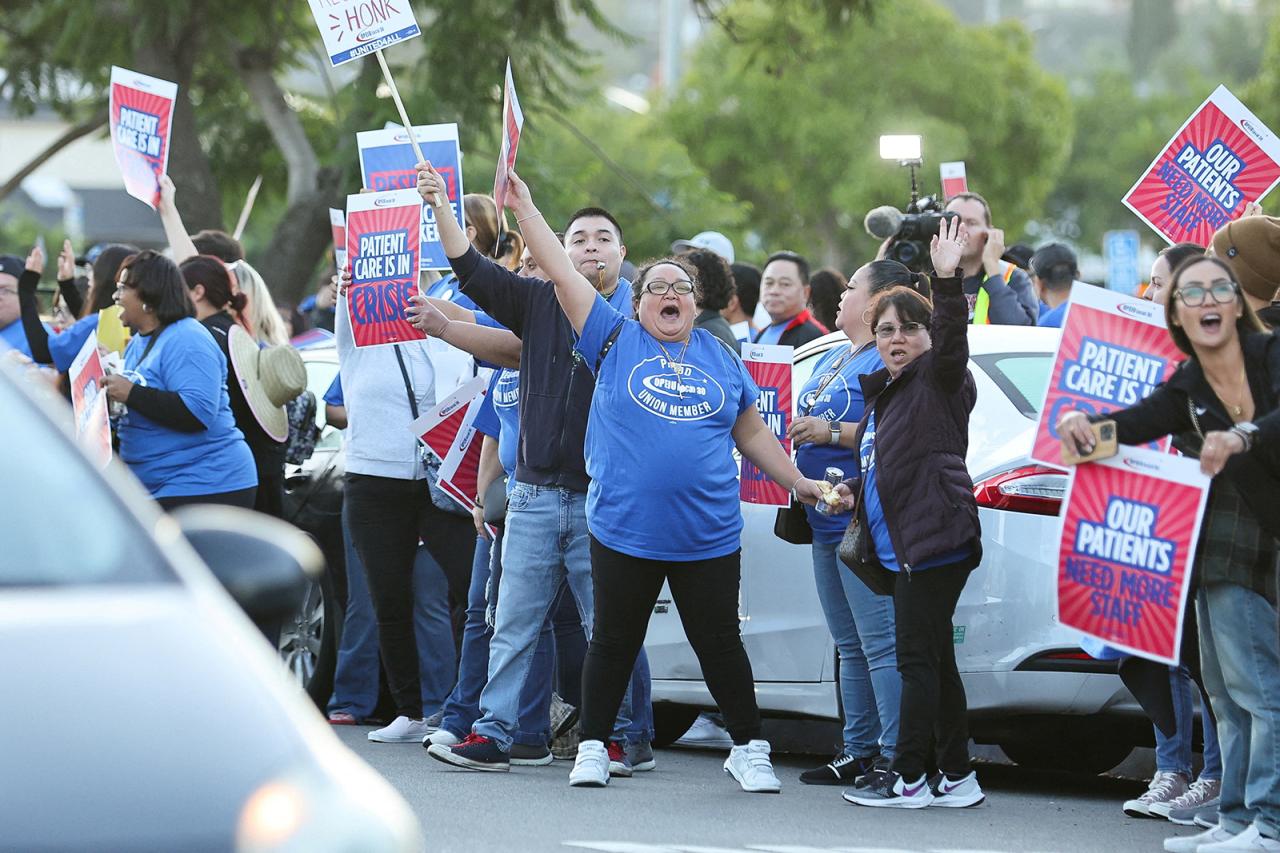
The Kaiser Permanente labor dispute serves as a stark reminder of the ongoing challenges facing the healthcare industry. The potential impact of this strike extends far beyond the immediate parties involved, affecting patients, the wider community, and the national healthcare landscape. The outcome of these negotiations will undoubtedly shape future labor relations within the healthcare sector, potentially influencing bargaining strategies and setting precedents for similar disputes in the years to come.
Whether a resolution is reached through compromise or prolonged conflict remains to be seen, but one thing is certain: the stakes are high for all involved.
Q&A
What are the potential long-term consequences of this strike?
Long-term consequences could include damaged employer-employee relations, decreased morale, potential legal battles, and lasting reputational impacts on Kaiser Permanente.
How might this strike affect patient care?
A strike could lead to delayed or cancelled appointments, longer wait times, and potential disruptions in essential healthcare services. The severity would depend on the duration and scope of the strike.
What is the role of the National Labor Relations Board (NLRB) in this situation?
The NLRB is responsible for investigating unfair labor practice claims and ensuring compliance with labor laws. They may mediate or intervene if necessary.