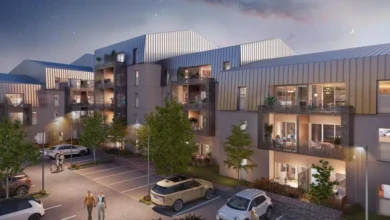
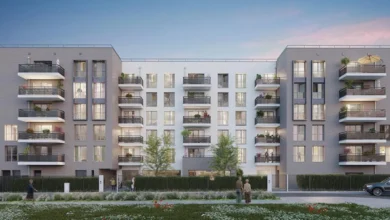
The Future of Senior Living: Domitys Unveils Ambitious Green Initiatives for 2026

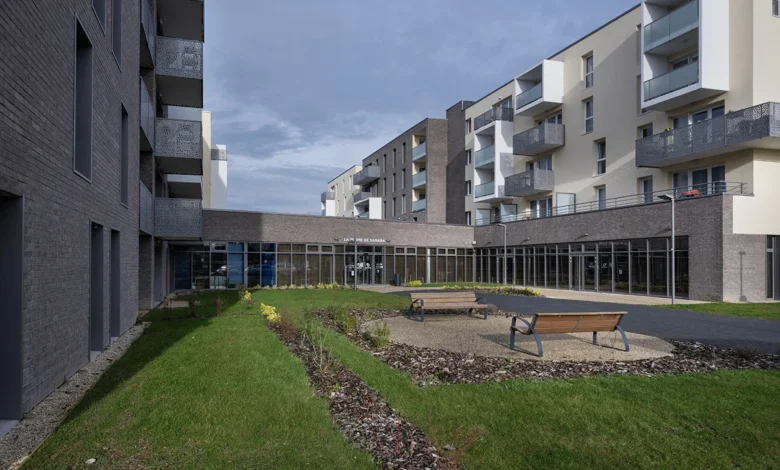
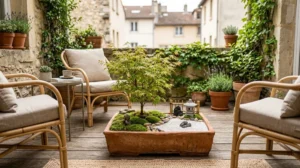
As urban design increasingly becomes a critical public health concern, particularly for an aging population, Domitys, a leading provider of senior residential services in France, is embarking on a significant ecological transition. By April, the company will unveil 14 new gardens across its residences. These are not merely green spaces; they are meticulously re-envisioned as "outdoor living rooms," prioritizing natural shade and biodiversity to better protect residents from rising temperatures. Adrien Silvestre, Head of Green Spaces and Outdoor Developments at Domitys, elaborates on these "secret gardens and oases."
A Strategic Shift Towards Biophilic Design in Senior Residences
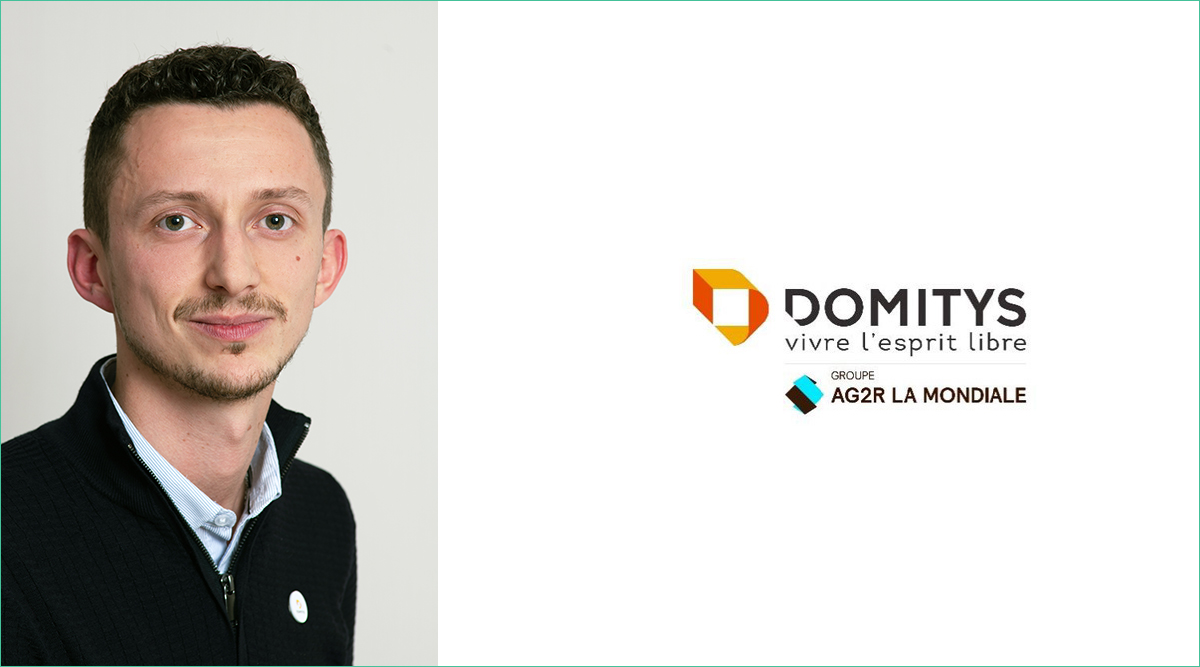
For a decade, Adrien Silvestre has been instrumental in shaping the exterior landscapes of Domitys residences, a role he has held within the Group for the past fifteen years. As the number one provider of senior service residences under the AG2R LA MONDIALE Group in France, Domitys’ commitment to its residents extends beyond the interiors. Silvestre’s purview is twofold: he leads the strategic design and operational oversight of new projects, collaborating closely with development teams and technical partners to landscape emerging residences. Concurrently, he supports operational teams in the ongoing management and enhancement of these spaces, ensuring the quality of outdoor services mirrors the high standards experienced within the residences.
Historically, while Domitys has been recognized for its exceptional interior spaces, the external environment often received less focused attention. This realization prompted a deep re-evaluation, leading to the strategic repositioning of vegetation as a core component of the company’s value proposition. An in-depth audit of Domitys’ initial fifty residences served as a crucial turning point, identifying key areas for improvement. This analysis informed a revised charter with a clear objective: to establish aesthetic and functional continuity between built structures and their surrounding gardens. The goal is to elevate the quality of outdoor amenities to align with the high expectations residents have for their living spaces.
The 2026 Milestone: Delivering 14 New Gardens
The simultaneous delivery of fourteen new gardens within a compressed timeframe marks a pivotal moment for Domitys in 2026. This ambitious undertaking necessitates extreme rigor in anticipation and coordination. Silvestre emphasizes that while he leads this initiative, the success is fundamentally a testament to collective intelligence. This achievement is the result of precise orchestration involving landscape design firms, construction managers, and the landscaping companies that bring the envisioned projects to life on the ground. This success underscores Domitys’ capacity to mobilize diverse expertise to transform technical visions into high-quality living environments, validating the robustness of their management processes.
Co-Designing with Nature and Residents
The collaborative approach to designing these outdoor spaces involves a rigorous adherence to a reference charter, meticulously adapted to the unique characteristics of each site. With fourteen residences currently under development, Domitys faces fourteen distinct ecosystems. Factors such as topography, soil composition, and local microclimates mandate a personalized approach to landscape design. For instance, landscaping a 2,500 square meter urban plot requires a fundamentally different strategy than developing a two-hectare rural estate. Beyond the unifying design principles, the team’s role is to reconcile these geographical specificities with regulatory requirements for building permits, ensuring harmonious and sustainable integration.
These new developments are specifically tailored to the needs of seniors, focusing on comfort and conviviality. A Domitys garden is conceived by and for its users, with the long-term support of residents in mind. A new resident may be fully autonomous today, but their needs will evolve over time. Therefore, universal accessibility is a cornerstone of their design philosophy. All spaces are planned to meet PMR (Persons with Reduced Mobility) standards, but this technical aspect is intentionally subtle to avoid any sense of stigmatization. Domitys aims to create inclusive, fluid, and aesthetically pleasing living spaces, where safety never compromises the pleasure of movement.
Addressing Climate Change: Gardens as Climate Regulators
The escalating issue of extreme heat has become a central concern. In response, Domitys has forged partnerships with specialized experts, including a research firm in the Southwest of France renowned for its expertise in combating urban heat islands. While not inventing new physical concepts, Domitys is optimizing the use of the "urban canopy." The strategic planting of mature trees acts as a natural thermal regulator, creating veritable biological parasols.
Furthermore, collaboration with the association "Humanité et Biodiversité" (Humanity and Biodiversity) enables the integration of nature-based solutions. This includes climate anticipation strategies, such as introducing Mediterranean plant species in northern regions to prepare gardens for the climates of the future.
The Health and Well-being Nexus: Green Spaces as Therapeutic Assets
Internal studies confirm a direct correlation between access to vegetation and the well-being of residents. Many seniors move from individual homes and fear a disconnect from nature. To address this concern, Domitys’ charter systematically mandates a green footprint appropriate to the local context. These spaces are designed as catalysts for social connection and activity. They include rest areas with ergonomic benches, pétanque courts for social interaction, and spacious terraces for relaxation.
The vegetable garden is also a central element, offering an adapted form of gardening. Accompanied by activity coordinators, residents can participate in gardening activities according to their abilities or simply enjoy the collective dynamic. This serves as an effective bulwark against isolation.
The "Eco-Green Spaces Charter": A New Era of Environmental Commitment
The launch of the "Eco-Green Spaces Charter" signifies a strategic turning point for Domitys, driven by two key pillars: enhanced technical ambition and an expanded scope of action. Starting in 2026, this framework will be rolled out with the objective of achieving 70% compliance with ten core commitments by year-end, aiming for 100% success by 2028.
Another significant innovation is the change in scale. Previously limited to Domitys’ 200 senior residences, the Charter will now extend to all 450 active sites within the AG2R LA MONDIALE Group, encompassing corporate offices and local agencies. The challenge lies in harmonizing environmental excellence practices across the Group’s entire portfolio, regardless of the site’s specific function.
Partnership with "Humanité et Biodiversité": Cultivating Biodiversity and Recognition
The partnership with "Humanité et Biodiversité" exemplifies a strong commitment to environmental stewardship. To date, 50 Domitys gardens have been certified as "Oasis Nature" (Nature Oasis). This distinction validates the company’s dedication to protecting local biodiversity according to a rigorous charter. While Domitys has historically been a pioneer in its practices, the association now pushes the company towards even greater excellence, offering fresh perspectives, scientific expertise, and crucial educational components through conferences and workshops. Each certification event is a moment of shared celebration with residents, marked by the unveiling of a commemorative plaque and followed by a convivial exchange. This process highlights concrete practices, such as organic mulching and responsible resource management.
Defining an "Oasis Nature"
An "Oasis Nature" is an area managed according to strict principles designed to foster local biodiversity, based on a technical framework established by the "Humanité et Biodiversité" association. For Domitys’ teams, this certification initially served as a recognition of their historical commitments. They were already adopting virtuous practices like eco-design and organic mulching to limit evapotranspiration. However, the association’s involvement has propelled them to a new level, positively challenging them with external scientific insights and more sophisticated management methods.
Beyond the technical aspects, this label is a powerful tool for awareness-raising. Each Oasis inauguration is accompanied by educational signage and the organization of conferences or workshops for residents. These exchange sessions, often followed by social gatherings, foster a shared culture of respect for living things within the residences, transforming gardens into genuine, enduring ecological refuges.
Resident Satisfaction and Future Aspirations
Customer satisfaction surveys consistently indicate that green spaces are becoming a key decision-making criterion for residents. The 2025 survey results are historic, showing the highest satisfaction levels in a decade, a source of immense pride for the teams and a catalyst for raising the bar even higher. For the few sites where perceptions are less optimal, Silvestre’s role involves analyzing the root causes with residence directors, often identifying a need for ongoing training for field staff.
Furthermore, inspired by best municipal practices, Domitys plans to deploy educational signage in its gardens. Explaining practices like late mowing or insect habitat preservation is crucial for gaining acceptance and sharing the sustainable approach. This initiative aims to establish these "outdoor living rooms" as a standard in future senior residences.
Silvestre hopes and is actively working towards this future, believing that the value of a residence will soon be measured by the density and health of its green heritage. Domitys gardens are envisioned as climate refuges, genuine islands of coolness, while remaining privileged spaces for social encounters. Adapting outdoor amenities to remain habitable despite rising temperatures is no longer an option but a responsibility.
Future Innovations and the Human-Nature Synergy
Following the design phase and the announcement of the eco-responsible Charter, the focus shifts to operational deployment. Silvestre’s ambition is to champion this initiative on the ground, supporting each site in adopting these new standards. The major challenge for the future is to demonstrate the perfect synergy between humans and nature. Gardens should transcend mere decoration to become active contributors to biodiversity and allies in the face of climate change. Silvestre expresses gratitude to partners for their invaluable support in this transformation, which he is confident will positively redefine senior living.