White Clover Invasion: More Than Just a Lawn Pest, It’s a Soil Signal and a Biodiversity Boon

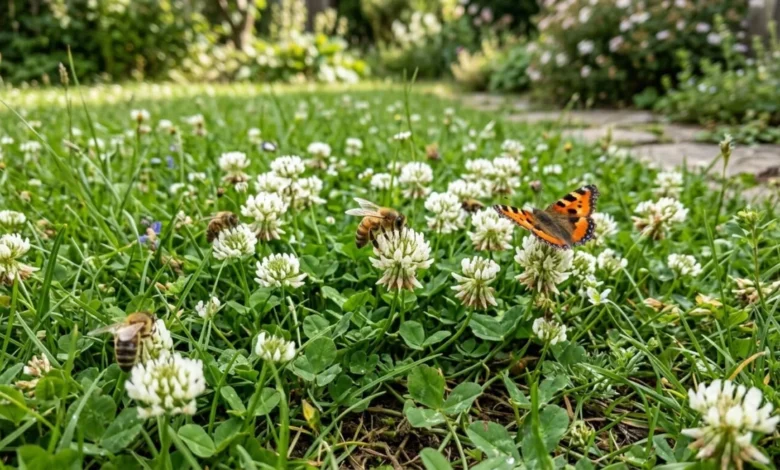
White clover, often perceived as an unwelcome intruder in meticulously manicured lawns, is re-emerging as a significant indicator of soil health and a valuable ally for garden ecosystems. Far from being a mere aesthetic blight, the proliferation of this ubiquitous plant, scientifically known as Trifolium repens, offers a surprisingly complex narrative about soil deficiencies, its role as a vital resource for pollinators, and its resilience in the face of increasingly common drought conditions. Gardeners are increasingly being urged to reconsider their approach to this humble white-flowered plant, recognizing its profound ecological messages.
The Silent Soil Surveyor: What White Clover Reveals
Botanists classify white clover as a bio-indicator plant. Its spontaneous appearance and vigorous growth are not random occurrences; they frequently signal underlying nutrient deficiencies in the soil. When white clover begins to outcompete the finer grasses that typically form a lawn, it often points to a lack of nitrogen. Traditional lawn grasses are notoriously nitrogen-hungry, requiring regular fertilization to maintain their lush appearance. As these grasses weaken due to insufficient nitrogen, they become vulnerable, allowing the hardy white clover, which possesses a remarkable ability to sustain itself, to take root and spread.
Beyond nitrogen deficiency, the spread of white clover can also indicate compacted soil. Its creeping stems, known as stolons, can spread where other roots struggle to penetrate. This ability to form a dense ground cover helps to protect the soil from erosion and nutrient leaching. Therefore, a significant presence of white clover in a lawn can often be interpreted as a sign of:
- Compacted Soil: The stolons can spread more easily in dense, compacted earth.
- Low Nitrogen Levels: The clover thrives where grasses are struggling due to a lack of this essential nutrient.
- Poor Drainage: While not its primary indicator, white clover can tolerate less-than-ideal drainage conditions, which can contribute to its spread.
- Soil Imbalance: The overall composition of the soil may be favoring clover over traditional turfgrasses.
Nature’s Free Fertilizer and Biodiversity Booster
White clover belongs to the Fabaceae family, a group of plants renowned for their symbiotic relationship with nitrogen-fixing bacteria. These bacteria reside in nodules on the clover’s roots, where they efficiently capture atmospheric nitrogen and convert it into an organic form that is readily usable by plants. As the clover grows, decomposes, or is mowed, it releases this vital nitrogen back into the soil, effectively acting as a natural fertilizer. This process offers a form of free, self-sustaining fertilization that directly benefits surrounding grasses.
This remarkable nitrogen-fixing capability is why some gardening guides now advocate for the intentional introduction of white clover into lawns. Its ability to enrich the soil with nitrogen, coupled with its drought resistance and promotion of biodiversity, makes it a valuable addition to a sustainable garden.
The globular flowers of white clover are a crucial nectar source for bees, bumblebees, and butterflies. A lawn dotted with clover transforms into a vital food source for these essential pollinators, particularly during periods when wild floral blooms become scarce. This makes the clover a critical component of urban and suburban ecosystems, supporting insect populations that are increasingly under pressure. Furthermore, the dense foliage of the clover creates a cool, moist microhabitat, offering shelter for beneficial insects such as ground beetles and garden spiders. These creatures play a significant role in the natural regulation of garden pests. For gardeners aiming to foster this biodiversity, maintaining a slightly higher mowing height, around 7 to 10 cm (approximately 3 to 4 inches) during the summer, can help preserve the clover’s habitat while reducing stress on the lawn.
To Keep or To Eradicate: The White Clover Dilemma
Many gardeners have observed that during the peak of summer heat, when lawns can turn yellow and feel brittle underfoot, patches of white clover often remain a striking shade of vibrant green. This resilience is attributed to its deeper root system, which can access water more effectively, and its foliage’s ability to retain coolness close to the ground. The presence of white clover, therefore, signals a lawn that is gaining resistance to drought. In an era marked by increasingly frequent heatwaves and water usage restrictions, this inherent hardiness is a significant advantage. Embracing white clover means accepting a less uniform lawn, but one that often demands less in terms of fertilizer, water, and overall maintenance.

For those who are nonetheless committed to reducing the presence of white clover, several strategies can be employed. Regular mowing can prevent flowering and slow its propagation. Aerating the soil and improving the fertilization of the lawn can strengthen the competing grasses, enabling them to better vie with the clover. Proper drainage can also reduce the conditions that favor clover’s growth. While some gardeners resort to selective herbicides designed for broad-leaved plants, these chemicals can inadvertently harm beneficial garden fauna. Consequently, their use is generally considered a last resort, typically implemented only after a thorough assessment of soil conditions and the desired lawn characteristics.
The Broader Implications of Clover’s Resurgence
The growing appreciation for white clover reflects a broader shift in horticultural philosophy towards more sustainable and ecologically-minded practices. As climate change intensifies, leading to more extreme weather patterns including prolonged droughts and increased temperatures, the resilience offered by plants like white clover becomes increasingly valuable. The ability of clover to fix nitrogen reduces the need for synthetic fertilizers, which can have detrimental environmental impacts, including water pollution through runoff. Its role in supporting pollinator populations is also critical, as insect populations worldwide face alarming declines.
The historical perception of white clover as an undesirable weed has its roots in the aesthetic standards of traditional lawn care, which prioritized uniformity and a monochromatic green carpet. However, as the ecological benefits of a more diverse and resilient garden become more widely understood, these traditional standards are being re-evaluated. The presence of white clover is no longer seen solely as a sign of neglect but as an indicator of a soil that may be deficient but is also capable of supporting a wider array of life.
The decision to tolerate or actively manage white clover ultimately depends on the gardener’s goals and priorities. For those seeking a low-maintenance, environmentally friendly lawn that supports local biodiversity, embracing white clover is a sensible choice. For those who prioritize a pristine, monocultural lawn, more intensive management strategies will be necessary, though these should be implemented with an awareness of their potential environmental consequences.
Expert Perspectives and Future Trends
Horticultural experts are increasingly highlighting the multifaceted benefits of white clover. Dr. Eleanor Vance, a soil scientist at the National Botanical Institute, notes, "White clover acts as a living soil amendment. Its nitrogen-fixing capabilities are a natural way to improve soil fertility without the chemical inputs that can harm soil structure and water quality in the long term. Furthermore, its presence often indicates a soil that is less biologically active with traditional turfgrasses, suggesting an opportunity to improve soil health through other means."
Landscape ecologists are also drawing attention to the role of white clover in urban biodiversity. "In fragmented landscapes like urban and suburban areas, even small patches of flowering plants can be crucial stepping stones for pollinator movement and survival," explains Mark Jenkins, a conservation biologist. "A lawn with clover, even if it’s not perfectly manicured, provides a vital food source and habitat that might otherwise be absent."
The trend towards "rewilding" gardens and adopting more naturalistic approaches to landscaping further supports the acceptance of white clover. As gardeners become more attuned to the needs of their local ecosystems, plants like clover, once relegated to the category of weeds, are being recognized for their indispensable ecological functions. The ongoing dialogue about lawn care is evolving from a purely aesthetic one to a more holistic consideration of environmental impact and ecological contribution. The humble white clover, with its unassuming blossoms, is at the forefront of this important horticultural conversation.