The Pungent Paradox of White Vinegar: Mastering the Art of Odorless Household Cleaning

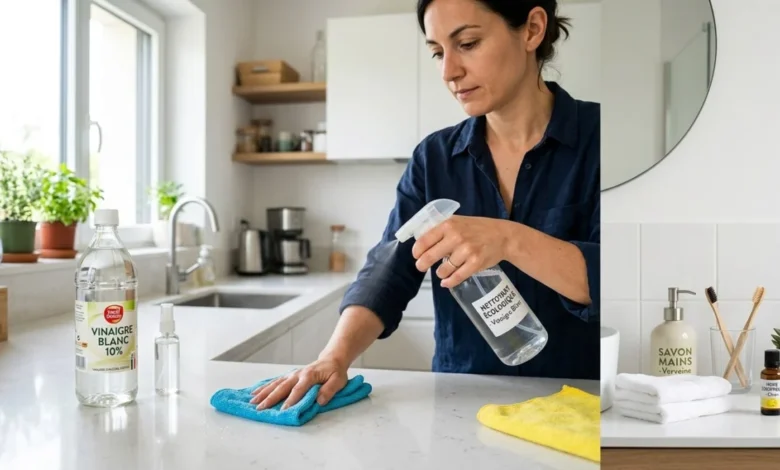
The ubiquitous presence of white vinegar in household cleaning cabinets is a testament to its perceived efficacy and simplicity. Marketed as a powerful degreaser, descaler, and shine-enhancer, its appeal lies in its straightforward application – a pour-and-forget solution for a clean home. However, a recent exploration into its widespread use revealed a common pitfall: an unexpectedly potent and persistent odor that can transform a desired "clean smell" into an overwhelming, acrid aroma. This article delves into the underlying causes of this olfactory challenge and presents a refined approach to harnessing white vinegar’s cleaning power without its olfactory drawbacks, based on extensive testing and practical application.
The Initial Overwhelm: When Simplicity Breeds Intensity
The initial decision to exclusively utilize white vinegar for a month-long home cleaning regimen was driven by its reputation for being a natural, cost-effective, and versatile cleaning agent. The expectation was a pleasant, subtle scent of cleanliness. Instead, the reality was a pervasive, sharp odor that clung to surfaces from the kitchen to the bathroom, impacting the overall ambiance of the living space. This initial experience suggested that the product itself might be the source of the problem, leading to a period of intense experimentation and analysis of application methods.
The prevailing approach, shared by many households, involved applying undiluted vinegar to heavily soiled areas, using a fifty-fifty dilution with cold water for general cleaning, and allowing surfaces to air dry. This method, while effective in removing grime, invariably resulted in an aggressive odor that lingered. Experts in household tips and tricks, such as those found on reputable home maintenance blogs and forums, often attribute the persistent smell of vinegar to an excess of the product and inadequate evaporation.
Unpacking the Olfactory Culprit: The Science Behind the Smell
The strong, pungent aroma of white vinegar is primarily due to its main active component: acetic acid. When undiluted or improperly diluted, acetic acid molecules are released into the air. In humid environments, such as kitchens during cooking or bathrooms after a shower, these molecules can become trapped on surfaces. This is particularly noticeable on materials like stainless steel, shower enclosures, and smooth tiles. The thin film left behind by an over-application of vinegar can reactivate with ambient moisture or steam, creating the sensation of having re-applied the cleaner.
Furthermore, porous materials and textiles in close proximity to cleaned surfaces, such as dishcloths, towels, and curtains, are highly adept at absorbing these volatile organic compounds. This absorption leads to a cumulative effect, where the entire house can begin to exude a "cleaning product" scent rather than a neutral, fresh atmosphere. The goal of a truly clean home, it was discovered, is not to mask underlying odors with strong chemical smells, but to achieve a state of neutral freshness.
The Breakthrough: The 1:3 Dilution Ratio and Gentle Application
The turning point in this cleaning experiment came with the adoption of a significantly milder, yet consistent, dilution ratio: one part white vinegar to three parts lukewarm water. This specific ratio proved to be the key to unlocking white vinegar’s cleaning potential without the accompanying olfactory assault. This approach eschews the use of pure vinegar or haphazard mixing, establishing a precise and effective balance.
This 1:3 dilution is sufficiently potent to tackle common household cleaning challenges, including light grease, cooking splatters, and minor limescale buildup. Crucially, it significantly reduces the amount of acetic acid released into the air, minimizing the residual film left on surfaces. The choice of lukewarm water is also instrumental. It aids in loosening dirt and grime more effectively than cold water and evaporates more rapidly, further accelerating the dissipation of any residual vinegar scent.
The Optimized Cleaning Arsenal: A Simple Spray Bottle Recipe
The refined home cleaning solution can be summarized with a straightforward recipe:
- 1 part White Vinegar: The active cleaning agent.
- 3 parts Lukewarm Water: Facilitates cleaning and aids in evaporation.
This mixture is then typically housed in a spray bottle for precise application. The technique employed involves a fine misting of the solution, followed by a brief waiting period of a few seconds to allow the vinegar to act on the grime. The subsequent wipe-down is critical.
The Two-Towel Method for Pristine Results
The post-application process employs a two-microfiber cloth system. The first microfiber cloth is used to effectively remove both the loosened dirt and excess moisture. The second, dry microfiber cloth then completes the drying process, ensuring that surfaces, particularly stainless steel and glass, are left streak-free and completely dry. The ultimate benchmark for success with this method is that the surface feels dry or nearly dry to the touch immediately after the wiping process.
Strategic Application Across the Home: Odor-Free and Damage-Conscious
The 1:3 dilution ratio proves versatile across various areas of the home:
- Kitchen: This solution is ideal for cleaning countertops, backsplashes, sinks, and dining tables. For stainless steel surfaces, a preferred method involves spraying the solution directly onto the microfiber cloth rather than the surface itself. This technique helps prevent the formation of streaks. The final drying with a separate dry microfiber cloth ensures a polished finish.
- Bathroom: In the bathroom, faucets and shower enclosures regain their luster when the vinegar solution is not allowed to air dry. For grout lines, multiple quick passes are more effective than prolonged soaking.
- Floors and Glass: For tiled or laminate flooring and windows, the microfiber cloth is lightly dampened to avoid leaving a film. An excess of water can lead to streaks, while an excess of vinegar can reintroduce the odor issue.
Navigating Sensitive Surfaces: A Cautionary Approach
While white vinegar is generally safe and effective, certain surfaces require a more cautious approach. Natural stone, marble, unsealed concrete, raw wood, and electronic screens are particularly sensitive to the acidic nature of vinegar and can be damaged by prolonged exposure or improper application. For these surfaces, the recommended cleaning agent is simply lukewarm water applied with a well-wrung-out microfiber cloth.
When a surface tolerates vinegar but exhibits a slight reaction, further dilution of the solution is advised. Immediate wiping and, if necessary, a light rinse with clean water can mitigate any adverse effects.
Enhancing the Experience: Natural Infusions for a Milder Aroma
For those seeking an additional layer of olfactory comfort, a subtle enhancement can be achieved by infusing the vinegar solution. Allowing citrus peels (such as lemon or orange) or a sprig of rosemary to macerate in the white vinegar for a few days can impart a gentler, more pleasant aroma. It is crucial, however, to thoroughly filter out any solid matter before using the infused vinegar in cleaning solutions. While this infusion offers a more agreeable scent during the cleaning process, the principle of proper dilution and thorough drying remains paramount to ensuring the odor dissipates quickly and effectively. The goal is a subtle, fleeting scent, not a lasting fragrance.
Broader Implications and the Future of Household Cleaning
The widespread embrace of natural cleaning solutions like white vinegar reflects a growing consumer demand for eco-friendly and non-toxic alternatives to conventional chemical cleaners. Data from market research firms indicates a significant upward trend in the sales of natural cleaning products, driven by health consciousness and environmental concerns. For instance, reports from companies like Nielsen have consistently highlighted this growth trajectory in recent years.
The challenge, as demonstrated, lies not in the efficacy of these natural agents, but in understanding and optimizing their application. The "pungent paradox" of white vinegar underscores the importance of consumer education and the dissemination of best practices. As more individuals seek to reduce their chemical footprint, the refined techniques for using white vinegar can serve as a model for optimizing other natural cleaning agents, ensuring that the pursuit of a clean home aligns with the desire for a healthy and pleasant living environment. The implications extend beyond individual households, potentially influencing product development and marketing strategies within the cleaning industry to emphasize not just efficacy, but also user experience and sensory comfort. The ongoing exploration into effective and pleasant natural cleaning methods is a vital step towards a more sustainable and health-conscious approach to home maintenance.