Understanding Dorsal Pain: A Comprehensive Medical Guide to Causes, Diagnosis, and Treatment

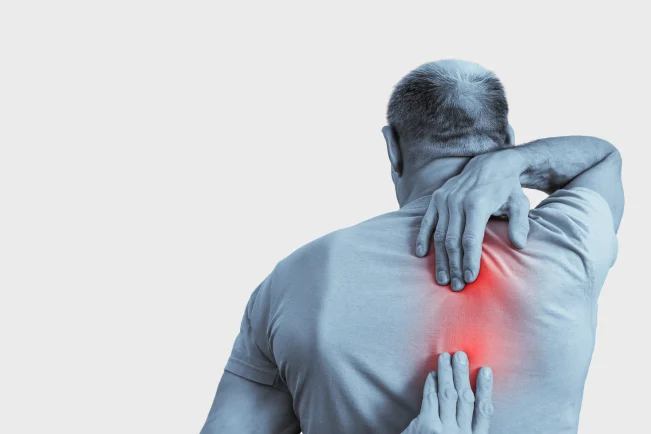
Dorsal pain, while less common than lower back pain, can be significantly debilitating and stems from a multitude of underlying causes. It is crucial not to underestimate these discomforts, as various visceral pathologies can manifest as seemingly ordinary dorsal pain. While inflammatory or tumorous conditions, similar to those affecting the lumbar region, require specialized diagnosis and management, degenerative dorsal lesions are often asymptomatic. Therefore, a thorough etiological investigation is paramount before resorting to rehabilitation for any reported dorsal pain. This article, drawing insights from Dr. Gilles Hayem, a rheumatologist and head of department at the Groupe Hospitalier Paris Saint-Joseph, provides a comprehensive overview of dorsal pain.
The dorsal region, encompassing the thoracic spine from T1 to T12, is a frequent site of pain with diverse origins. To navigate the primary diagnostic hypotheses, a systematic approach is essential, often guided by patient history, physical examination, and targeted investigations.
Diagnostic Workup for Dorsal Pain
The diagnostic process for dorsal pain is primarily guided by a detailed patient history and a thorough physical examination. Key elements include understanding the onset, duration, character, location, aggravating and alleviating factors of the pain, as well as any associated symptoms. The medical history should also explore past medical conditions, family history, medications, and lifestyle factors, including occupation and physical activity levels.
Depending on the clinical context, a range of investigations may be necessary. These can include:
- Imaging Studies:
- X-rays of the cervical spine, cervico-dorsal junction, and thorax.
- Thoraco-abdominal CT scan for detailed visualization of internal structures.
- Abdominal ultrasound to assess abdominal organs.
- Abdominal MRI for more detailed soft tissue evaluation.
- Bone scintigraphy to detect areas of increased bone activity, indicative of inflammation or tumors.
- Cardiovascular Assessment:
- Electrocardiogram (ECG) to rule out cardiac involvement.
- Gastrointestinal Investigations:
- Oesophago-gastro-duodenal endoscopy to examine the upper digestive tract.
Exploring Visceral Etiologies of Dorsal Pain
Dorsal pain can be a referred symptom from underlying visceral pathologies, originating from deep internal organs. These can include:
- Cardiac Issues: Acute myocardial infarction (heart attack) or pericarditis can present with dorsal pain.
- Pulmonary Conditions: Pneumonia, pleurisy, or lung tumors can radiate pain to the back.
- Gastrointestinal Disorders: Esophageal reflux, peptic ulcers, pancreatitis, cholecystitis (gallbladder inflammation), and liver pathologies are common culprits.
- Renal and Urological Problems: Kidney infections (pyelonephritis), kidney stones, or tumors can cause dorsal discomfort.
- Aortic Aneurysm: A dissecting or ruptured aortic aneurysm can manifest as severe, sudden dorsal pain.
A particularly common and often overlooked cause of dorsal pain is herpes zoster, or shingles. The characteristic burning sensation, often unilateral, can precede the appearance of the characteristic vesicular rash, making early suspicion crucial for prompt diagnosis and management.
Generally, the patient’s overall health profile, the presence of associated signs and symptoms, and the nature of the pain – particularly if it is not exacerbated by movement – can raise suspicion of a visceral origin.
Dorsal Pain of Vertebral Origin
Physicians may encounter various vertebral etiologies for dorsal pain. These are typically suspected during the clinical examination and further investigated with imaging of the dorsal spine.
Certain conditions warrant immediate diagnostic attention:
- Infections: Spondylitis (vertebral bone infection) or discitis (intervertebral disc infection) are serious conditions requiring urgent antibiotic treatment.
- Tumors: Primary vertebral tumors or metastases from other cancers can cause significant dorsal pain and require prompt oncological management.
- Fractures: Vertebral compression fractures, often associated with osteoporosis or trauma, can lead to acute dorsal pain.
Other vertebral issues relate to degenerative and mechanical disorders of the spine and intervertebral discs:
- Osteoarthritis (Dorsarthrosis): This degenerative condition of the facet joints in the thoracic spine is frequently asymptomatic. It is typically considered a cause of dorsal pain only after other etiologies have been definitively excluded and under specific circumstances.
- Herniated Discs: While more common in the lumbar and cervical regions, thoracic disc herniations can occur and cause dorsal pain.
- Spinal Stenosis: Narrowing of the spinal canal can compress the spinal cord or nerve roots, leading to pain.
- Scheuermann’s Disease: A condition affecting adolescents characterized by abnormal vertebral growth, leading to a rounded upper back (kyphosis) and pain.
- Scoliosis and Kyphosis: Excessive curvature of the spine can lead to muscle strain and pain.
More advanced imaging techniques, such as CT scans and MRIs, are often necessary to confirm diagnoses like vertebral hemangiomas, osteoid osteomas, or other rare bony lesions.
Musculoskeletal Disorders (MSDs) and Dorsal Pain
Musculoskeletal disorders (MSDs), often resulting from repetitive physical strain and mechanical stress (e.g., heavy lifting, operating forklifts, or prolonged exposure to vibrations), can affect the spine, particularly the lumbar region, but also the thoracic spine and upper limbs.

While dorsal pain linked to MSDs might appear less frequent than lower back pain, it is a significant consideration, especially in individuals with occupational risk factors. These disorders arise from a complex interplay of risk factors:
- Physical Factors: Repetitive movements, awkward postures, heavy loads, and forceful exertions.
- Psychosocial Factors: High job demands, lack of control, poor social support, and work-related stress.
- Organizational Factors: Poor work organization, long working hours, and inadequate breaks.
Consultation with an occupational health physician is crucial to assess workplace ergonomics and potentially implement job modifications or vocational retraining to mitigate these risks.
"Functional Dorsal Pain"
Historically referred to as "benign dorsal pain in young women," certain persistent dorsal pains defy clear visceral, vertebral, or identifiable musculoskeletal origins. These chronic and recurrent "functional dorsal pains" can profoundly impact quality of life, leading to loss of independence, social withdrawal, and detrimental effects on emotional, relational, sexual, and professional well-being.
This diagnosis is one of exclusion, with multifactorial origins:
- Psychological Factors: Stress, anxiety, depression, and somatization can manifest as physical pain.
- Social Factors: Difficult family dynamics, relationship issues, or societal pressures.
- Lifestyle Factors: Poor sleep, inadequate nutrition, and lack of physical activity.
These functional pains should not be ignored, as psychological distress can independently generate physical pain, which in turn fuels anxiety and fatigue, creating a vicious cycle. They can also serve as a cry for help, as seen in caregiver burnout, where diffuse dorsal pain, exhaustion, and anxiety converge silently.
Age-Specific Considerations for Dorsal Pain
The diagnostic approach to dorsal pain can be tailored based on the patient’s age:
- Children: Dorsal pain is rare in children and warrants immediate medical attention to rule out benign bone tumors such as osteoid osteoma.
- Adolescents: Common causes include Scheuermann’s disease, kyphoscoliosis, and muscular pain related to sports, heavy backpacks, or sedentary lifestyles. Exceptionally, osteoid osteoma or osteoblastoma might be considered.
- Young Adults: The primary concern is spondyloarthritis, characterized by inflammatory dorsal pain and associated symptoms like enthesitis (inflammation of tendon insertions) or inflammatory bowel disease (IBD) such as ulcerative colitis or Crohn’s disease, and psoriasis. A more subtle cause can be a minor intervertebral dysfunction (DIM), leading to midline dorsal pain and scapular discomfort, particularly in sedentary young adults working on screens. DIM is a functional mechanical and reflex dysfunction, often reversible and without radiographic findings, diagnosed by exclusion.
- Older Adults: The differential diagnosis must include osteoporotic vertebral compression fractures or fractures secondary to tumors (myeloma, metastases). Dorsarthrosis, diffuse idiopathic skeletal hyperostosis (DISH, or Forestier’s disease), and disc calcifications can also contribute to pain.
Treatment Approaches for Dorsal Pain
The management of dorsal pain is multimodal and multidisciplinary, involving both pharmacological and non-pharmacological interventions.
- Medications: Analgesics (pain relievers) and non-steroidal anti-inflammatory drugs (NSAIDs) are often prescribed for symptomatic relief. In specific cases, disease-modifying antirheumatic drugs (DMARDs) or biologic agents may be used for inflammatory conditions.
- Physical Therapy: Physiotherapy, including exercise, manual therapy, and modalities like heat or cold therapy, plays a crucial role in improving function and reducing pain.
- Psychological Support: For functional pain, cognitive behavioral therapy (CBT), mindfulness, and other psychological interventions can be highly effective.
- Lifestyle Modifications: Regular exercise, maintaining a healthy weight, ergonomic adjustments at home and work, and stress management techniques are vital for long-term management.
- Interventional Procedures: In select cases, targeted injections (e.g., epidural steroid injections) or nerve blocks may be considered, though these are often delicate procedures requiring expert multidisciplinary consultation due to potential neurological risks.
- Surgical Intervention: Surgery is typically reserved for severe cases with significant neurological compromise or structural instability that do not respond to conservative treatments.
Patient education and empowerment through therapeutic education programs (ETP) and engagement with patient support groups are invaluable, especially for chronic conditions like spondyloarthritis. For highly debilitating pain or treatment failures, referral to a specialized pain management center is indicated.
Personalized self-management strategies are fundamental and include:
- Regular physical activity: Tailored exercises to strengthen back muscles and improve flexibility.
- Stress management techniques: Mindfulness, meditation, or yoga.
- Ergonomic adjustments: Optimizing posture and workstation setup.
- Adequate sleep hygiene: Ensuring restful sleep.
- Healthy diet: Supporting overall health and reducing inflammation.
Key Takeaways for Clinicians and Patients
For Healthcare Professionals:
- Thorough History and Physical Exam: This remains the cornerstone of diagnosis.
- Consider Visceral Causes: Always keep referred pain from internal organs in mind.
- Age-Appropriate Screening: Tailor your diagnostic approach based on the patient’s age.
- Rule Out Red Flags: Immediately investigate signs of infection, malignancy, or fracture.
- Embrace a Multidisciplinary Approach: Collaborate with other specialists as needed.
- Address Psychosocial Factors: Recognize the impact of mental health on physical pain.
- Educate Patients: Empower individuals with knowledge about their condition and treatment options.
- Promptly Refer: Do not hesitate to refer to specialists for complex cases.
- Consider Functional Pain: Recognize that not all pain has a clear organic cause.
- Promote Self-Management: Encourage active patient participation in their recovery.
For Patients:
- Describe Your Pain Accurately: Provide detailed information to your doctor about your symptoms.
- Don’t Ignore Persistent Pain: Seek medical advice for any concerning or long-lasting dorsal discomfort.
- Be Proactive in Your Care: Actively participate in your treatment plan and follow medical advice.
- Adopt a Healthy Lifestyle: Regular exercise, a balanced diet, and stress management are crucial.
- Maintain Good Posture: Be mindful of your posture at work and during daily activities.
- Seek Ergonomic Advice: Optimize your workspace to prevent strain.
- Manage Stress Effectively: Find healthy ways to cope with stress and anxiety.
- Stay Informed: Understand your condition and treatment options.
- Utilize Support Systems: Engage with healthcare providers, therapists, and patient groups.
- Be Patient: Recovery from dorsal pain can take time and requires consistent effort.
By understanding the diverse origins and employing a systematic diagnostic and therapeutic approach, healthcare professionals and patients can effectively manage dorsal pain, improve quality of life, and prevent long-term disability. The collaboration between medical expertise and patient engagement is key to navigating the complexities of this common yet potentially serious ailment.