The SILVITA Federation Releases Groundbreaking Observatory on Senior Service Residences, Highlighting a Rapidly Evolving Housing Sector

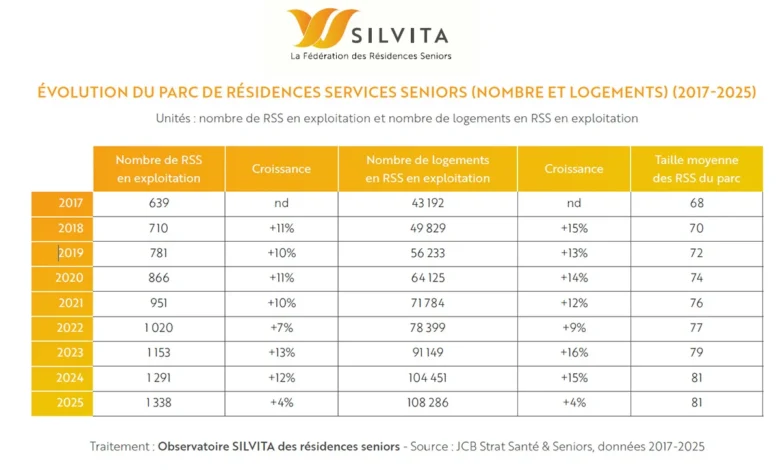
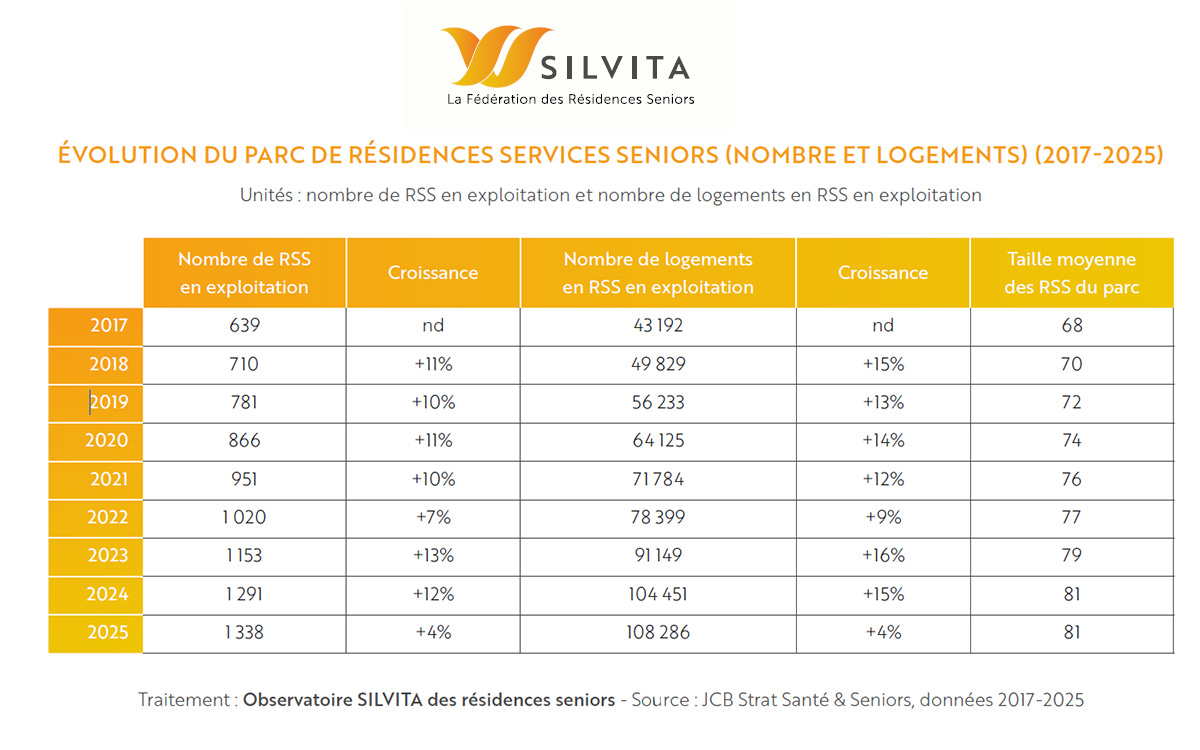
The French Federation SILVITA has unveiled the inaugural edition of its Observatory on Senior Service Residences, a landmark study that underscores the escalating significance of these communities within the evolving life trajectories of older adults. Positioned as a vital intermediary between traditional independent living and more medically intensive care facilities, these residences are reshaping the landscape of senior housing in France. As of the close of 2025, the nation boasted 1,338 senior service residences, encompassing a total of 108,286 housing units, a testament to the substantial growth and increasing demand for adapted living solutions for the elderly.
A Decade of Exponential Growth: The Rise of Senior Service Residences
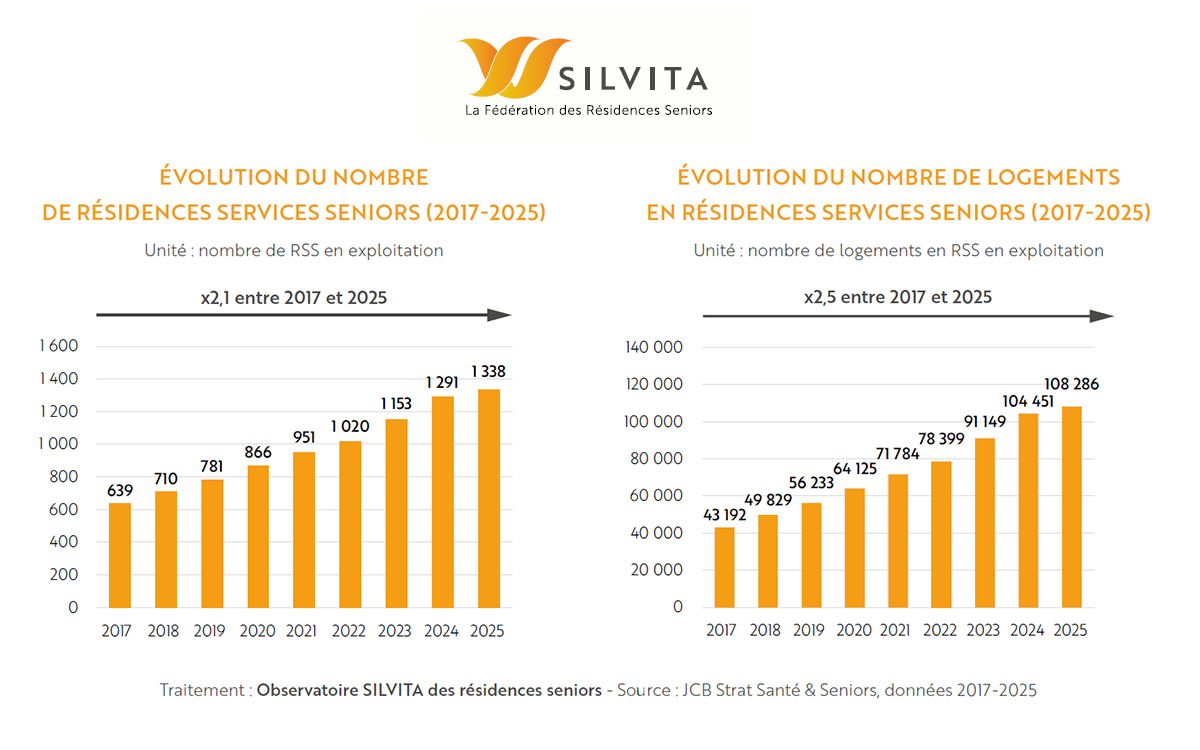
The development of senior service residences has experienced a particularly meteoric ascent in recent years. In less than a decade, the sector has witnessed a dramatic expansion, with the number of residences more than doubling between 2017 and 2025. This impressive surge is attributed to a robust wave of investment and the emergence of a new cohort of seniors actively seeking a more secure, social, and tailored living environment. It is crucial to note that this burgeoning growth was not primarily driven by demographic shifts in the 80-85 age bracket, which remained relatively stable during this period, but rather by a proactive shift in senior lifestyle preferences and the availability of attractive housing options.
The SILVITA Observatory’s data reveals a clear upward trend:
- 2017: 639 residences
- 2018: 710 residences
- 2019: 781 residences
- 2020: 866 residences
- 2021: 951 residences
- 2022: 1,020 residences
- 2023: 1,291 residences
- 2024: Projected to reach over 1,300 residences
- 2025: Standing at 1,338 residences
This trajectory in the number of residences mirrors the expansion in available housing units. From 43,192 units in 2017, the number of apartments within senior service residences has grown significantly to reach 108,286 units by the end of 2025. This represents an increase of approximately 150% in residential capacity over the eight-year span.
2026: The Dawn of a Demographic Shift and Heightened Demand
The year 2026 is poised to mark a significant demographic inflection point that will profoundly impact the senior housing market. The anticipated arrival of the baby boomer generation into the 80-85 age bracket will introduce nearly 200,000 additional individuals into this demographic cohort in the first year alone. Looking more broadly, the 75-84 age group is projected to expand from 4.1 million to 6 million between 2020 and 2030. This substantial demographic wave will create an urgent and widespread need for suitable and adapted housing solutions.
Olivier Wigniolle, President of SILVITA, emphasized the critical nature of this impending demographic change: "Over the decade 2020-2030, we will witness a very significant increase in the number of seniors aged 75 to 84. Their numbers will rise from 4.1 million to 6 million between 2020 and 2030. Senior service residence operators will therefore make a very significant contribution to the care of our elders, at a time when France is very poorly prepared for the impending aging shock in the short term."
This demographic "shock" is expected to fundamentally reshape the market, solidifying the role of senior service residences as a crucial alternative between traditional home living and specialized medical establishments like EHPADs (Établissements d’hébergement pour personnes âgées dépendantes).
A Temporary Slowdown: Navigating Cyclical Market Dynamics
Following years of robust expansion, the senior service residence sector has experienced a noticeable slowdown in new openings since 2025. This current phase is attributed to two primary factors:
- Rising Interest Rates: Increased borrowing costs have impacted the financial viability of new development projects, leading some investors and developers to pause or scale back their expansion plans.
- Inflationary Pressures: Escalating construction costs, material prices, and operational expenses have presented financial challenges for operators, potentially influencing the pace of new builds and renovations.
However, industry experts and the SILVITA Observatory suggest that this period of slower growth is likely to be transient. The accelerating demand driven by the aging population is anticipated to rebalance the market, reigniting investment and development in the coming years. The underlying demographic trends provide a powerful impetus for sustained growth, even amidst temporary economic headwinds.
Senior Service Residences: A Structuring Force in Senior Housing
Currently, senior service residences have solidified their strategic position within the broader senior housing ecosystem. They are recognized for their ability to offer a compelling middle ground, providing a spectrum of services that cater to varying levels of independence and support needs.
These residences are distinguished by their size and their capacity to offer:
- Adaptable Housing: Apartments designed to accommodate the changing needs of older adults, often featuring accessible layouts and safety features.
- A Range of Services: From essential support like meal preparation and housekeeping to more personalized care options and social activities, residents can access services tailored to their individual requirements.
- Social Interaction: A built-in community environment that combats isolation and promotes a vibrant social life among residents.
- Security and Peace of Mind: The presence of on-site staff and emergency response systems provides a reassuring sense of safety for both residents and their families.
This comprehensive offering allows seniors to maintain a degree of independence while receiving the support necessary to live comfortably and safely, bridging the gap often left between remaining at home and moving into a nursing home.
Geographical Disparities: Urban Concentration and Rural Opportunities
The current landscape of senior service residences is marked by a significant concentration in urban areas. The majority of these facilities are situated in large cities and their immediate surroundings, reflecting historical development patterns and access to a denser population base. This urban focus means that while the overall number of residences is growing, their distribution remains uneven across the country.
Key observations regarding geographical distribution include:
- High Concentration in Major Metropolitan Areas: Cities and their immediate suburbs tend to have the highest density of senior service residences.
- Limited Presence in Rural and Mid-Sized Towns: Smaller towns and rural regions often have a scarcity of these adapted housing options.
This disparity, however, presents significant development opportunities. The underservice of mid-sized towns and certain rural territories suggests a strong potential for growth in these areas. As the demand for senior housing expands nationwide, developers and operators are likely to look beyond the saturated urban markets to meet the needs of seniors in underserved regions. This geographical diversification could lead to more equitable access to senior service residences across France.
The Path to 2030: Senior Residences Poised for Dominance
Looking ahead to 2030, the trend lines indicate a clear trajectory: senior service residences are expected to emerge as the predominant form of intermediate housing for seniors in France. Projections suggest a continued and substantial expansion of the sector, driven by both demographic forces and evolving consumer preferences.
Anticipated developments include:
- Continued Market Growth: The number of senior service residences and their associated housing units are expected to increase significantly, further solidifying their market share.
- Increased Diversification of Offerings: As the market matures, there may be a greater variety of specialized senior service residences catering to specific needs, such as those requiring memory care or more intensive health support.
- Technological Integration: An increased adoption of smart home technologies and digital services to enhance resident safety, connectivity, and overall quality of life.
This projected dominance underscores the vital role these residences will play in accommodating the rapidly aging French population and supporting their well-being.
A Societal Imperative: Redefining Senior Living as a Lifestyle Choice
Beyond the quantitative data and market trends, the rise of senior service residences signifies a profound transformation in the expectations and desires of older adults. The traditional perception of retirement living is being challenged, with seniors increasingly seeking environments that offer not just housing, but a comprehensive "life project."
This evolving perspective highlights several key shifts:
- Desire for Autonomy: Seniors want to retain as much independence as possible while having access to support when needed.
- Emphasis on Social Connection: The need for community and interaction is paramount, combating the isolation that can often accompany aging.
- Focus on Well-being and Activity: Seniors are looking for opportunities to remain active, engaged, and to pursue their interests and hobbies.
- Preference for Proximity to Services and Amenities: Access to healthcare, shopping, and cultural activities remains important.
In this context, senior service residences are no longer viewed merely as a functional accommodation solution; they are increasingly understood as a dynamic and fulfilling lifestyle choice. They offer a structured yet flexible environment where seniors can continue to thrive, maintain their social networks, and enjoy a high quality of life.
Olivier Wigniolle’s concluding remarks from the SILVITA Observatory report encapsulate this broader societal impact: "The first edition of the Observatory on Senior Residences constitutes a constructive contribution to meeting the major collective challenge that is the aging of the French population." The findings of this observatory serve as a crucial resource for policymakers, industry stakeholders, and families navigating the complex realities of an aging society, providing valuable insights into the evolving needs and preferences of France’s senior population and the solutions that can best meet them.