Sainte-Anne Hospital Hosts Landmark CBT Meetings, Charting the Past, Present, and Future of Cognitive Behavioral Therapies in France

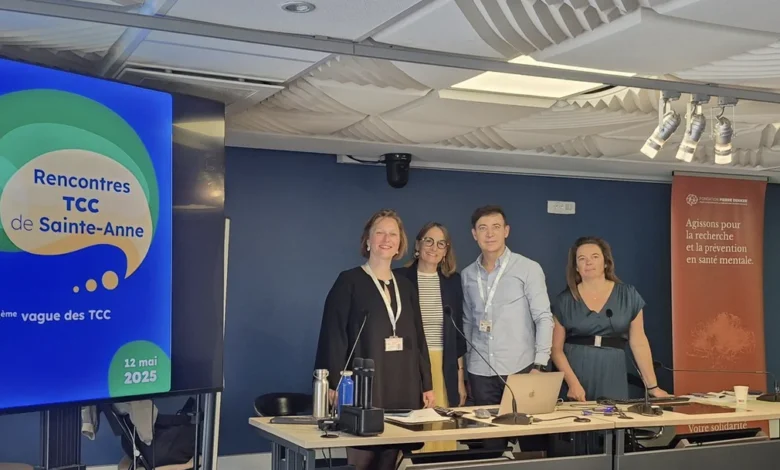
Paris, France – From March 27 to 29, 2026, the historic Sainte-Anne Hospital served as the distinguished venue for the second annual Cognitive Behavioral Therapy (CBT) Meetings, a pivotal gathering that united a diverse array of professionals, individuals with lived experience, and key stakeholders in mental health. The conference, anchored in the insightful premise of understanding one’s origins, current standing, and future trajectory, aimed to critically examine the profound evolution and enduring relevance of CBT within the French psychiatric landscape and beyond. This ambitious initiative sought to not only re-establish CBT’s deep historical roots within France, particularly at Sainte-Anne, but also to rigorously interrogate its contemporary developments and future directions in an ever-changing world.
A Legacy Reaffirmed: The French Genesis of CBT
The choice of Sainte-Anne Hospital as the host institution was more than symbolic; it was a reaffirmation of its foundational role in the genesis and dissemination of Cognitive Behavioral Therapies in France. While the global origins of behavior therapy can be traced back to the early 20th century with figures like Ivan Pavlov and B.F. Skinner, and cognitive therapy emerged prominently in the 1960s through the pioneering work of Aaron T. Beck and Albert Ellis, France’s engagement with these modalities gained significant momentum from the 1970s onwards, largely spearheaded by clinicians and researchers at Sainte-Anne.
This seminal period saw the convergence of brilliant minds who championed the integration of these empirically validated approaches into French psychiatric practice. Luminaries such as Jacques Rognant, instrumental in introducing behavioral techniques, and Pierre Pichot, a titan of French psychiatry who advocated for scientific rigor in psychotherapy, laid crucial groundwork. They were joined by figures like Mélinée Agathon, who helped adapt and disseminate cognitive principles, and Bernard Rivière, who contributed to the practical application of these methods in clinical settings. Their collective efforts ensured that CBT was not merely imported but thoughtfully integrated into the French healthcare system, establishing training programs and clinical services that would influence generations of practitioners. The meetings underscored this rich heritage, fostering a vital intergenerational dialogue that bridged past achievements with present innovations. Inaugural conferences by eminent figures such as Jean Cottraux, a long-standing pillar of French CBT, and Hugo Baup, representing the vanguard of contemporary research and practice, vividly illustrated how current practices are built upon a cumulative dynamic, balancing the weight of a robust scientific legacy with the imperative for continuous innovation. This dialogue highlighted the enduring principles of CBT while showcasing its adaptive capacity to incorporate new findings from neuroscience, psychology, and technology.
CBT in the 21st Century: An Integrative and Evolving Paradigm
The second Rencontres TCC de Sainte-Anne offered a comprehensive and forward-looking perspective on CBT, moving beyond its traditional characterization as merely a set of techniques. Originating from learning theories and subsequently enriched by cognitive models, CBT has evolved into an increasingly integrative approach that holistically addresses behaviors, cognitions, and emotions. This evolution reflects a growing understanding that psychological distress is rarely confined to a single dimension, necessitating a multi-faceted therapeutic response.
Presentations spanned a wide spectrum of current applications and cutting-edge research, demonstrating the breadth and depth of CBT’s utility. Discussions ranged from the established efficacy of prolonged exposure therapy in the treatment of psychotrauma – a critical intervention given the global prevalence of conditions like PTSD, which affects an estimated 3.9% of adults annually according to the World Health Organization (WHO) – to the burgeoning role of artificial intelligence (AI) in mental health. Experts highlighted how AI could potentially revolutionize diagnosis, personalize treatment plans, and enhance accessibility, although ethical considerations regarding data privacy, algorithmic bias, and the essential human element in therapy were also thoroughly debated. The overarching message emanating from these diverse interventions was clear: the true power of CBT lies not solely in its techniques, but fundamentally in its ability to foster a profound understanding of underlying psychological mechanisms and the intricate processes of change. This emphasis on process over mere protocol signifies a maturation of the field, encouraging therapists to tailor interventions based on a nuanced comprehension of individual patient needs and their unique pathways to recovery.
Experiential Learning: Embodying the Essence of CBT
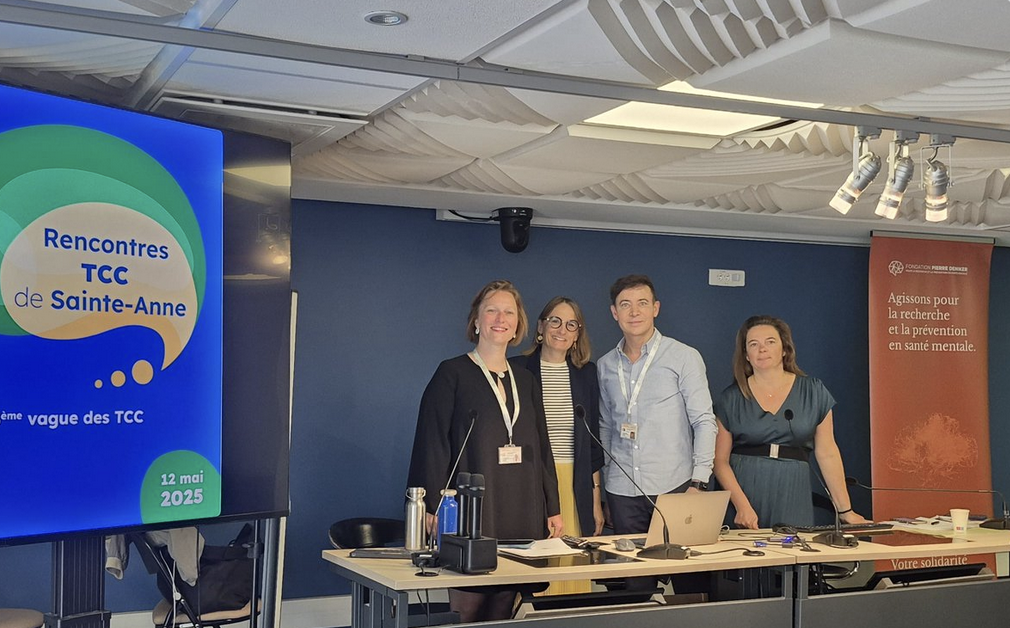
Echoing the philosophical insight often attributed to Aristotle – "We are what we repeatedly do" – the conference adopted an active and experiential pedagogical approach. The three-day program meticulously integrated theoretical conferences with practical workshops, creating an immersive learning environment where participants could actively engage with CBT principles. This hands-on methodology ensured that learning was not a passive reception of information but an active process of experimentation and repetition, mirroring the very core tenets of CBT. By allowing attendees to experience the techniques firsthand, the organizers fostered a deeper understanding and more effective internalization of therapeutic strategies. This active pedagogy brought the very essence of CBT to life, transforming abstract concepts into tangible skills and fostering a dynamic exchange between theory and practice, which is vital for effective clinical application. The workshops covered a range of topics, including specific therapeutic techniques for anxiety disorders, depression, and obsessive-compulsive disorder, as well as newer applications in areas like chronic pain management and eating disorders.
Breaking Down Barriers: The De-Compartmentalization Imperative
A distinctive hallmark of the Sainte-Anne CBT Meetings was its deliberate commitment to de-compartmentalization. In an arena often characterized by professional silos, the conference uniquely brought together a wide array of stakeholders: mental health professionals, individuals with lived experience (patients), their families, and representatives from patient advocacy associations. This convergence took place within the very walls of a psychiatric hospital that actively positions itself as open to the city, symbolizing a modern vision of care.
This inclusive approach directly challenges traditional models of psychiatric care that often isolated patients and their families. By fostering a shared space for dialogue and learning, the meetings embodied a care philosophy centered on several crucial pillars: the development of competencies across all participants, emphasizing that everyone has a role in the healing process; the promotion of the recovery journey, moving beyond mere symptom management to support individuals in leading fulfilling lives; and the unwavering drive towards autonomy, empowering individuals to take an active role in their own mental well-being. This model of collaborative care is increasingly recognized as best practice globally, enhancing patient outcomes, reducing stigma, and fostering a sense of community and mutual support. According to a 2023 report by the French Ministry of Health, initiatives promoting patient and family involvement in mental health care have shown promising results in improving adherence to treatment and overall life satisfaction.
Implications and Future Directions: A Continuous Evolution
The three-day intensive program culminated in a resounding affirmation: Cognitive Behavioral Therapies are in a perpetual state of evolution, constantly adapting at the intersection of scientific advancements and the transformative landscape of mental health care. This dynamic nature ensures that CBT remains at the forefront of evidence-based psychological interventions.
The implications of such a comprehensive review are far-reaching. For mental health policy, the emphasis on empirically supported treatments and patient-centered care can inform future funding allocations and service development. For clinical practice, the discussions on integrative approaches and new technologies encourage practitioners to continuously update their skills and consider innovative modalities. For research, the exploration of underlying psychological mechanisms points towards new avenues for understanding mental health conditions and developing even more targeted interventions. The commitment to de-compartmentalization also highlights the importance of public health campaigns to reduce stigma and increase mental health literacy, fostering a more inclusive and supportive society for individuals facing mental health challenges.
Looking ahead, the momentum generated by the 2026 meetings will be carried forward to the next iteration, scheduled for March 17-19, 2027. This forthcoming conference will delve deeper into the critical area of transdiagnostic levers. This represents a significant shift in therapeutic thinking, moving beyond individual diagnostic categories to identify common underlying psychological processes – such as emotion dysregulation, avoidance, or cognitive biases – that contribute to a range of mental health disorders. The clear ambition is to enhance understanding of these fundamental psychological mechanisms to enable more effective interventions and, ultimately, to more robustly foster the recovery of individuals navigating mental health difficulties. This focus promises to further refine CBT, making it even more adaptable, efficient, and impactful in addressing the complex challenges of mental well-being in the modern era. The ongoing commitment of Sainte-Anne Hospital and its dedicated professionals ensures that France will continue to be a significant contributor to the global advancement of Cognitive Behavioral Therapies.
Emeric Languérand, Psychologist, Psychotherapist, GHU Paris Psychiatrie & Neurosciences
Related posts: