The Tulip’s April Encore: Mastering Post-Bloom Care for Lasting Beauty and Future Blooms

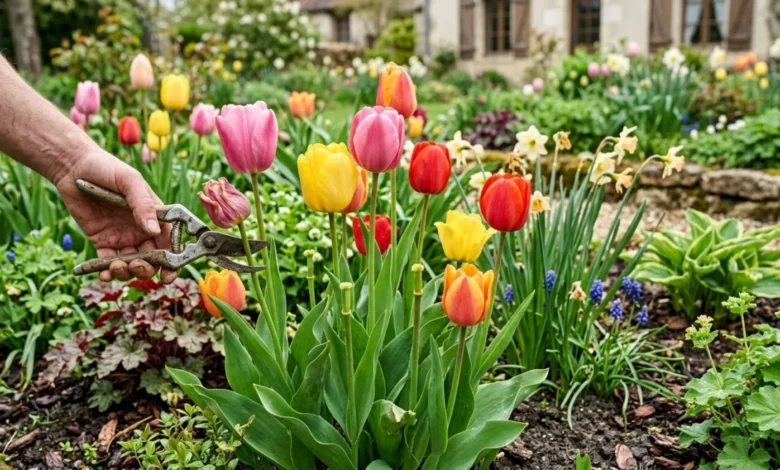
As April unfolds, gardens burst into a riot of color, with tulips often standing at the pinnacle of their vibrant display. Amidst fully opened buds, firm stems, and the delicate unfurling of nascent corollas, a common gardener’s dilemma emerges: should one prune, water more, uproot the bulbs, or allow nature to take its course to prolong this visual spectacle? This pivotal month is instrumental not only in determining the duration of the current floral exhibition but also in shaping the capacity of tulip bulbs to re-emerge with vigor in the subsequent year. The actions taken now will either bolster the plant’s vitality or deplete its reserves. A nuanced understanding of the subterranean processes and the role of the foliage is key to intervening judiciously, fostering a landscape that is both enduring and aesthetically harmonious.
The Biological Imperative: What Transpires Within Tulip Bulbs in April?
While the surface displays the blooming or fading beauty of tulip flowers, the plant’s core biological activity continues predominantly within the bulb. The verdant leaves are the unsung heroes of photosynthesis, diligently converting light energy into vital reserves that are then channeled downwards to nourish the roots. To prematurely sever this leafy canopy is to effectively cut off the plant’s primary energy source, impeding the bulb’s ability to enlarge and, crucially, to prepare for the following season’s floral production.
A common misconception among gardeners, particularly those eager for immediate results, is that a tulip’s life cycle concludes once its petals fall. In reality, the act of cutting still-green stems and leaves inflicts a significant shock upon the bulb. This premature intervention can lead to a severe depletion of stored energy, causing the bulb to shrink and, in unfortunate cases, to perish altogether. The consequence for the garden is a conspicuous absence of blooms in the ensuing year. Horticultural specialists universally advocate for leaving the foliage intact for a period of approximately four to six weeks post-bloom. This allows the leaves to naturally transition through a stage of yellowing before completely drying out, signaling that the bulb has successfully accumulated sufficient reserves.
The Prudent Pruning: A Single Cut for Optimal Tulip Health
For those who desire a meticulously maintained garden without compromising the plant’s long-term health, the sole permissible intervention in April is the removal of spent flowers. As soon as a majority of the petals have detached, the tulip’s biological imperative shifts towards seed production, a process that demands substantial energy expenditure. By precisely excising the flower head just below the corolla, utilizing a clean and sharply honed tool, gardeners effectively halt the plant’s investment in seed formation. This redirects the energy that would have been consumed by fruit development back towards the bulb.
The remaining stem, much like the leaves, continues its crucial role in capturing sunlight and synthesizing energy reserves. To mitigate the sometimes-unattractive appearance of yellowing stems, many gardeners strategically interplant tulips with perennial species or ornamental grasses. These companion plants can visually compensate for the fading tulip foliage later in the spring, creating an illusion of continuous cultivation and generosity in the border, even after the tulip blooms have vanished. This integrated approach ensures the garden’s aesthetic appeal remains robust throughout the season.
Watering, Fertilizing, and Bulb Management in April: A Comprehensive Approach
Throughout the month of April, tulips thrive in consistently moist soil conditions, provided it is never waterlogged. A simple tactile test—checking if the top few centimeters of soil are dry to the touch—will indicate the need for a thorough watering that penetrates to the root zone. This is particularly important during periods of warm, dry, and windy weather, which can accelerate soil desiccation. For tulips cultivated in containers, the soil dries out more rapidly than in garden beds, necessitating more frequent moisture checks, ideally every one to two days. It is imperative to ensure adequate drainage in pots to prevent the harmful accumulation of standing water.
As the flowering period wanes, a light application of a balanced organic fertilizer can significantly aid the bulb in replenishing its energy reserves, especially for those grown in containers where nutrients are more readily depleted. This supplementary feeding can be administered every few weeks, as long as the foliage remains green. Once the leaves have completely turned brown and dried, reaching a state where they detach with minimal effort, the aerial parts of the plant can be removed. At this juncture, gardeners face a decision: either leave the bulbs in situ within well-draining soil or excavate them for storage. For those seeking to extend the tulip’s visual impact indoors, cut flowers should be maintained in a cool environment, with water changed frequently and stems trimmed regularly to prolong their freshness.
The Tulip’s Lifecycle and the Importance of Post-Bloom Care: A Deeper Dive
The vibrant spectacle of tulips in April is the culmination of a year-long biological process that begins with the formation of flower buds within the bulb during the preceding summer. Following their impressive bloom, the plant enters a critical phase of energy replenishment, which directly influences its ability to flower again the following spring. This post-bloom period, often overlooked by casual gardeners, is paramount for ensuring the longevity and reblooming potential of tulip bulbs.
Supporting Future Blooms: The Role of Photosynthesis and Nutrient Cycling
The leaves of a tulip plant are not merely decorative; they are sophisticated solar collectors and energy factories. Through photosynthesis, they convert sunlight, water, and carbon dioxide into sugars – the plant’s primary fuel. These sugars are then transported down the stem to the bulb, where they are stored as starch. This stored energy is essential for the development of new flower buds for the next season and for sustaining the bulb through its dormant period.
If the foliage is removed before it has naturally yellowed and dried, the bulb is deprived of this crucial energy supply. This can result in a weakened bulb that may fail to flower, produce smaller, less impressive blooms, or even succumb to disease and rot. Data from horticultural studies consistently shows that tulips that are allowed to complete their foliage senescence exhibit significantly higher reblooming rates compared to those that are prematurely cut back. For instance, research published in the Journal of Horticultural Science and Biotechnology has indicated that delaying foliage removal by even two weeks can lead to a substantial increase in the percentage of bulbs that re-flower successfully.
Strategic Interventions: Pruning Spent Blooms and Companion Planting
The single most beneficial action a gardener can take during the post-bloom phase is to deadhead the spent flowers. This practice prevents the plant from expending energy on seed production. Seed development is a resource-intensive process that diverts vital nutrients away from the bulb. By removing the flower head just below the ovary (the small swelling at the base of the flower), gardeners ensure that the energy is redirected into the bulb’s reserves. This seemingly minor act has a profound impact on the bulb’s health and its capacity for future blooms.
Beyond deadheading, the strategic use of companion planting can significantly enhance the visual appeal of tulip beds as the tulips begin to fade. Introducing plants with different flowering times and foliage textures can create a seamless transition of color and interest. Perennials like hostas, heucheras, or astilbes, which offer attractive foliage throughout the season, can effectively camouflage the gradually yellowing tulip leaves. Ornamental grasses, such as Hakonechloa or Festuca, provide elegant movement and texture, further enhancing the garden’s aesthetic while the tulips are in their recovery phase. This approach not only addresses the visual decline of the tulip foliage but also contributes to a more diverse and resilient garden ecosystem.
Optimizing Environmental Conditions: Watering and Nutrition
Consistent moisture is critical during the post-bloom period. While tulips do not require the same level of hydration as during their active growth and flowering stages, allowing the soil to dry out completely can stress the bulb. The soil should be kept consistently moist but not saturated. In regions experiencing early spring heatwaves or prolonged dry spells, regular watering becomes even more crucial. For potted tulips, which are more susceptible to rapid drying, daily checks of soil moisture are advisable. Ensuring that pots have adequate drainage holes is paramount to prevent root rot.
The debate over fertilizing tulips post-bloom is nuanced. While some argue that a well-fed bulb will perform better, others caution against over-fertilization, which can lead to excessive leaf growth at the expense of bulb development. A light application of a balanced, slow-release fertilizer, particularly one with a higher potassium content (which aids in bulb development), can be beneficial, especially for bulbs grown in containers or in nutrient-poor soils. It is important to apply fertilizer only when the foliage is still green and actively photosynthesizing, and to cease fertilization once the leaves begin to yellow. Organic fertilizers, such as compost or well-rotted manure, are often preferred as they release nutrients slowly and improve soil structure.
The Fate of the Bulb: To Leave or To Lift?
The decision of whether to leave tulip bulbs in the ground or to lift them for storage depends on several factors, including the climate, soil drainage, and the specific tulip variety. In many temperate climates with well-draining soil, many tulip varieties, particularly Darwin Hybrids and species tulips, can be left in the ground and will naturalize, producing increasingly impressive displays in subsequent years. These varieties are often more robust and less susceptible to disease.
However, for less hardy varieties, or in areas with heavy clay soil that retains excess moisture, lifting the bulbs can significantly improve their chances of survival and reblooming. The optimal time to lift bulbs is after the foliage has completely withered and dried, typically in late spring or early summer. The bulbs should be carefully dug up, ensuring not to damage them, and then allowed to air dry in a cool, shaded, and well-ventilated area. Once dry, they can be cleaned and stored in a cool, dark, and dry place, such as a mesh bag or a cardboard box filled with peat moss or sawdust, until planting time in the fall. Proper storage is crucial to prevent fungal diseases and rot.
Extending the Bloom: The Art of Cut Tulip Care
For those who wish to bring the ephemeral beauty of tulips indoors, proper cut flower care is essential. Tulips continue to grow and bend towards light sources even after being cut. To maximize their vase life:
- Timing of Cutting: Cut tulips in the early morning or late evening when they are fully hydrated.
- Initial Preparation: Immediately place the cut stems in cool water. Remove any leaves that would fall below the waterline, as decaying foliage can contaminate the water and promote bacterial growth.
- Stem Trimming: Recut the stems at an angle using a sharp knife or scissors. This increases the surface area for water absorption.
- Water Quality: Use clean, cool water in the vase. Change the water every one to two days, and recut the stems each time to ensure optimal hydration.
- Flower Food: While tulips are not as reliant on commercial flower food as some other species, a small amount can help maintain water quality and provide some nutrients.
- Cool Environment: Keep cut tulips in a cool location, away from direct sunlight, heat sources, and ripening fruit. Exposure to ethylene gas from ripening fruit can accelerate wilting.
By understanding and implementing these horticultural practices, gardeners can ensure that their April tulip displays not only provide immediate joy but also lay the foundation for a continued spectacle of color in seasons to come, transforming a fleeting moment of beauty into a lasting garden asset. The diligent care of these bulbs is an investment in the future vibrancy of the garden landscape.