The Link Between Mouthwash, Blood Pressure, and Heart Health: Unpacking the Latest Research

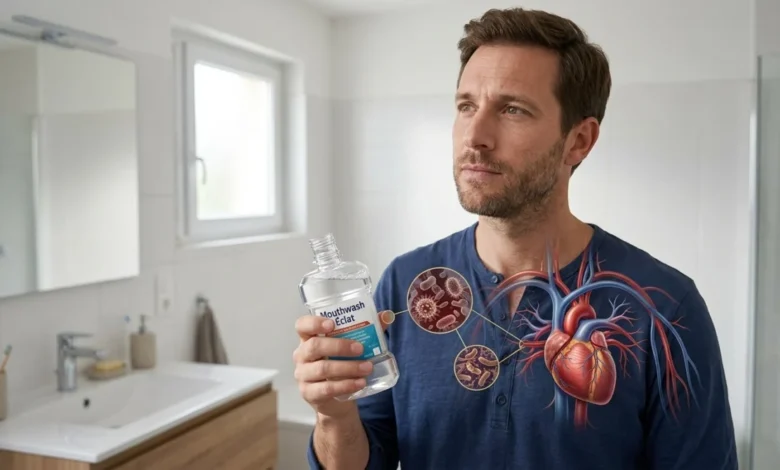
A recent surge of attention on social media platforms like TikTok and Instagram has ignited concerns regarding the potential cardiovascular risks associated with everyday mouthwash use. Videos circulating online have posited that common oral rinses could elevate blood pressure and endanger heart health, leaving many consumers surprised and questioning a product long associated with fresh breath and oral hygiene. This widespread dissemination of information, often presented without scientific nuance, has prompted a closer examination by researchers into the complex relationship between oral microbiome, mouthwash, and cardiovascular well-being.
While initial studies have indeed indicated potential links between the use of certain antiseptic mouthwashes and alterations in blood pressure, it is crucial to understand the specifics of these findings. These studies, primarily involving short-term use of highly antiseptic solutions, have observed modest increases in blood pressure. The pressing question for the public and the scientific community alike is the implication of these findings for regular, daily mouthwash usage. To shed light on this evolving area of research, we delve into the current scientific understanding, drawing from expert analysis and published studies.
Decoding the Science: What Studies Reveal About Mouthwash, the Heart, and Blood Pressure
The scientific inquiry into the potential cardiovascular effects of mouthwash has largely focused on its impact on the delicate balance of the oral microbiome. Several small-scale clinical trials have investigated the effects of specific mouthwash ingredients, most notably chlorhexidine, a powerful antiseptic often prescribed for short-term treatment of gum disease or post-dental procedure infections.
One notable study involved 19 healthy adult volunteers who used a chlorhexidine-based mouthwash for seven consecutive days. The results indicated a slight elevation in their blood pressure, accompanied by a decrease in salivary nitrite levels. Another research effort, involving 27 adults, administered a 0.12% chlorhexidine gluconate solution twice daily for a week. This study replicated the findings, observing a significant increase in blood pressure among the participants.
The implications for individuals with pre-existing cardiovascular conditions are also a point of concern. In a trial with 15 participants already diagnosed with hypertension, the use of chlorhexidine for just three days led to a further rise in their blood pressure. This suggests that individuals with compromised cardiovascular health may be more susceptible to the potential negative effects of such antiseptic mouthwashes.
Further investigations have explored the mechanisms at play. A study on 12 adults compared the effects of water, a mild mouthwash, a cetylpyridinium chloride solution, and a highly concentrated chlorhexidine formulation, particularly after consuming a nitrate-rich juice. The results indicated that the most potent chlorhexidine product significantly inhibited the conversion of nitrates into nitrites, a crucial step in the body’s production of nitric oxide. This inhibition was correlated with a higher systolic blood pressure. These findings underscore the importance of the specific active ingredients and their concentration in determining the potential impact on blood pressure.
The Hidden Trio: Oral Microbiome, Nitric Oxide, and Cardiovascular Health
At the heart of this discussion lies the intricate ecosystem of the oral cavity: the oral microbiome. This diverse community of bacteria plays a vital role in maintaining oral health and, as emerging research suggests, in broader physiological processes. Certain bacteria residing in the mouth are instrumental in converting nitrates, abundant in leafy green vegetables and other dietary sources, into nitrites.
This conversion is a critical first step in the nitrate-nitrite-nitric oxide pathway, also known as the enterosalivary pathway. Once ingested, these nitrites are further processed by the body to produce nitric oxide (NO). Nitric oxide is a potent vasodilator, meaning it helps blood vessels to relax and widen, thereby playing a significant role in regulating blood pressure. A healthy and balanced oral microbiome is therefore essential for efficient nitric oxide production and, consequently, for maintaining optimal cardiovascular function.
When the use of highly antibacterial mouthwashes, such as those containing chlorhexidine, drastically reduces these beneficial bacterial populations, the conversion of dietary nitrates to nitrites is impaired. This reduction in nitrite levels leads to a diminished production of nitric oxide, which can, in turn, result in a slight increase in blood pressure.
Furthermore, some mouthwash formulations contain ethanol, an ingredient that has been a subject of separate health concerns. Ethanol has been suspected of influencing the oral microbiome and, in some contexts, has been linked to an increased risk of oral cancers. While the direct link between ethanol in mouthwash and cardiovascular issues is less established, its potential impact on the oral environment warrants consideration.
Despite these observed effects in specific studies, it is important to note the broader context of long-term research. A significant study that followed 354 adults for nearly 19 years found that regular mouthwash use, in general, did not alter cardiovascular mortality rates. This suggests that the risks might be associated with particular types of mouthwash or specific usage patterns rather than all forms of oral rinsing.
Not All Mouthwashes Are Created Equal: Differentiating Cardiovascular Impact
The critical takeaway from current research is that not all mouthwashes exert the same influence on cardiovascular health. The studies that have identified a rise in blood pressure primarily involved solutions containing chlorhexidine or cetylpyridinium chloride. These are potent antiseptic agents designed for targeted, short-term therapeutic use, often prescribed by dentists to manage specific oral health conditions like gingivitis or after surgical procedures.
In contrast, over-the-counter mouthwashes formulated for daily use, which typically contain milder active ingredients and lack powerful antiseptics, appear to interfere far less with the nitrate-to-nitrite conversion process. These gentler formulations are therefore considered less likely to cause significant or lasting changes in blood pressure.
It is also crucial to consider the flip side of the coin: the well-established link between poor oral health and cardiovascular disease. Extensive research highlights that untreated chronic oral infections and significant tooth loss can substantially increase the risk of cardiovascular problems. A systematic review analyzing 82 studies concluded that chronic oral diseases and tooth loss are associated with a heightened risk of heart disorders. This underscores the paramount importance of maintaining a healthy oral microbiome, not just for dental hygiene but for overall systemic well-being, including cardiovascular health.
Expert Perspectives and Public Health Implications
The discourse surrounding mouthwash and heart health has prompted commentary from public health experts. Dr. Joanna L’Heureux, a researcher in public health and sports science at the University of Exeter, has provided insights into the current research landscape. Her analysis emphasizes that the studies showing adverse effects typically involve specific, potent antiseptic mouthwashes used for limited durations. She reiterates that for the general population using standard, non-prescription mouthwashes for daily oral hygiene, the evidence for significant cardiovascular risk remains weak.
However, the widespread nature of social media discussions means that nuanced scientific findings can be easily misinterpreted or amplified. This can lead to unnecessary anxiety among consumers and potentially lead some individuals to discontinue beneficial oral hygiene practices. Public health bodies and dental professionals are therefore tasked with communicating accurate information to the public, distinguishing between therapeutic mouthwashes and those intended for general use.
The implications for public health are multifaceted. On one hand, there is a need to educate consumers about the potential risks associated with specific types of mouthwash, particularly for vulnerable populations. This includes advising individuals with hypertension or other cardiovascular conditions to consult their healthcare providers before using strong antiseptic mouthwashes. On the other hand, it is equally important to reinforce the benefits of good oral hygiene, including appropriate use of mouthwash when recommended by a dental professional, as part of a comprehensive strategy to prevent cardiovascular disease.
The Path Forward: Continued Research and Informed Choices
The ongoing research into the intricate relationship between oral health and cardiovascular well-being is vital. Future studies should aim to:
- Investigate Long-Term Effects of Common Mouthwashes: More comprehensive, long-term studies are needed to assess the cumulative effects of daily use of widely available, milder mouthwash formulations on cardiovascular health.
- Explore Individual Variability: Understanding why some individuals may be more susceptible to the effects of certain mouthwashes than others is crucial. Factors such as genetic predispositions, existing health conditions, and diet could play a role.
- Clarify the Role of Ethanol: Further research is warranted to definitively establish the impact of ethanol content in mouthwash on both oral health and broader systemic health, including cardiovascular risks.
- Develop Safer Formulations: As scientific understanding grows, the development of oral care products that effectively promote oral hygiene without compromising cardiovascular health will be a key focus for manufacturers.
In conclusion, while the recent social media buzz has raised valid questions, the current scientific consensus suggests that the risks associated with everyday mouthwash use are likely minimal for the general population. However, individuals should remain informed, exercise caution with potent antiseptic mouthwashes, and always consult with healthcare professionals for personalized advice. The connection between our oral health and our overall well-being is undeniable, and understanding the nuances of products we use daily is a critical step in maintaining a healthy lifestyle.
Related posts: