Nourishing Your Kidneys: A Comprehensive Guide to Diet and Lifestyle for Optimal Renal Health

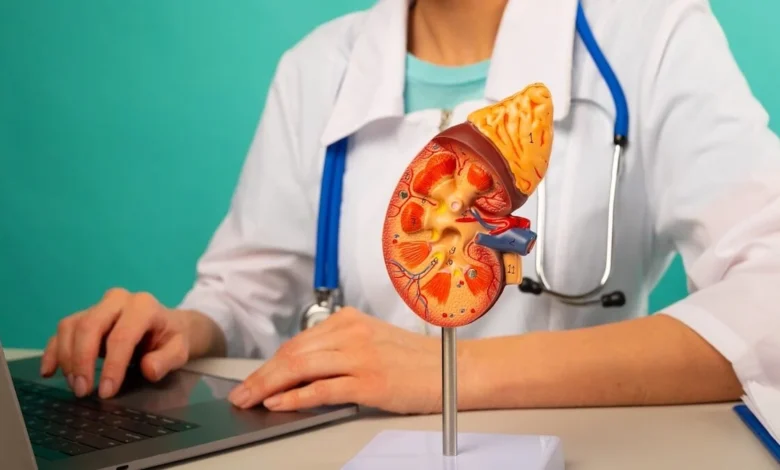
Often overlooked, the kidneys play a vital role in the human body, silently performing essential functions that are critical for overall well-being. Located in the abdominal region, these bean-shaped organs are sophisticated filtration systems, processing an astonishing amount of blood daily to eliminate waste products and excess fluids. Beyond detoxification, they regulate blood pressure, balance electrolytes, and contribute to the production of red blood cells and vitamin D. As nutritionist Raphaël Gruman has emphasized, the proper functioning of the kidneys is indispensable for global health. While adequate hydration, typically ranging from 1.5 to 2 liters of water per day, remains the cornerstone of kidney care, dietary choices can offer significant support in preventing the accumulation of toxins and mitigating the risk of certain renal pathologies. This article delves into the science-backed dietary strategies and lifestyle adjustments that can empower individuals to proactively protect and enhance their kidney health.
The Antioxidant Powerhouse: Shielding Renal Cells
A cornerstone of kidney health lies in the body’s ability to combat oxidative stress, a cellular process implicated in numerous chronic diseases, including kidney disease. Antioxidants, molecules that neutralize harmful free radicals, are paramount in this defense. Certain foods, readily available in our daily diets, are particularly rich in these protective compounds.
Extra virgin olive oil, a staple of the Mediterranean diet, stands out for its potent antioxidant and anti-inflammatory properties. Its primary component, oleic acid, along with polyphenols like oleocanthal, has been shown to protect renal cells from damage. Studies have indicated that adherence to a Mediterranean diet, rich in olive oil, is associated with a lower risk of developing chronic kidney disease (CKD) and can slow its progression in individuals already diagnosed. For instance, research published in the Journal of the American Society of Nephrology has explored the renoprotective effects of olive oil consumption, highlighting its role in reducing inflammation and improving endothelial function within the kidneys.
Matcha, a finely ground powder of specially grown and processed green tea leaves, offers a concentrated dose of antioxidants, particularly catechins like epigallocatechin gallate (EGCG). While its caffeine content necessitates moderation, regular consumption of matcha has been linked to reduced inflammation and improved metabolic markers, indirectly benefiting kidney function. A study in Oxidative Medicine and Cellular Longevity demonstrated that EGCG can protect against oxidative damage in kidney cells, suggesting a protective role against certain forms of acute kidney injury.
Goji berries, often hailed as a superfruit, are packed with vitamins, minerals, fiber, and a unique profile of polysaccharides and carotenoids that act as powerful antioxidants. Their anti-inflammatory properties further contribute to their renal benefits by aiding in the detoxification process and promoting the general well-being of the body. Research in Food & Function has explored the antioxidant capacity of goji berries, noting their potential to mitigate kidney damage induced by toxins. Similarly, apples, rich in fiber and flavonoids like quercetin, provide antioxidant support and can aid in the elimination of waste products, contributing to a healthier internal environment. The soluble fiber in apples can also help manage blood sugar levels, a crucial factor in preventing diabetic nephropathy, a leading cause of CKD.
Natural Allies for Drainage and Elimination
Beyond direct antioxidant protection, several foods act as natural diuretics and detoxifiers, actively assisting the kidneys in their waste removal processes. These "cleansing" agents help to flush out the system, reducing the burden on the kidneys and potentially preventing the formation of kidney stones.
The humble lemon, a citrus fruit celebrated for its vitamin C content, also plays a significant role in kidney health through its citrate production. Citrate binds to calcium in the urine, preventing it from forming crystals that can aggregate into painful kidney stones. Increasing urinary citrate levels, as facilitated by regular lemon water consumption, is a well-established strategy for reducing the recurrence of calcium oxalate stones, the most common type. Scientific consensus, supported by numerous urological studies, confirms the efficacy of citrate therapy in stone prevention.
Watermelon, with its exceptionally high water content (over 90%), is a natural hydrator that also supports urinary tract health. Its diuretic properties help to increase urine output, facilitating the flushing of toxins and reducing the concentration of stone-forming substances. Furthermore, watermelon contains lycopene, an antioxidant that may offer protective benefits against certain cancers and cardiovascular diseases, indirectly contributing to overall health.
Beets are a nutritional powerhouse, rich in potassium, fiber, and antioxidants. Their detoxifying properties stem from betalains, pigments that give them their vibrant color and possess potent anti-inflammatory and antioxidant effects. Beets can help to increase urine output, aiding in the elimination of waste products and potentially supporting kidney function. Their fiber content also contributes to digestive health, which is closely linked to overall detoxification.
Nettle, often consumed as an herbal infusion, is another remarkable ally for kidney health. Renowned for its purifying and diuretic properties, nettle tea can help stimulate the kidneys to excrete excess fluid and waste products. It is also recognized for its potential to prevent urinary tract infections (UTIs) due to its mild antiseptic qualities and its ability to increase urine flow, which helps to flush out bacteria from the urinary tract. Traditional herbal medicine practices and emerging scientific studies support nettle’s role in promoting urinary health.
Spices and Healthy Habits: The Synergy of Prevention
The journey to optimal kidney health extends beyond specific foods to encompass the strategic use of spices and the adoption of overarching healthy lifestyle habits. These elements, though seemingly minor individually, create a powerful synergy that significantly impacts renal function.
Turmeric, the vibrant golden spice, owes much of its therapeutic prowess to curcumin, its primary active compound. Curcumin is a potent anti-inflammatory and antioxidant agent, widely recognized for its ability to mitigate oxidative stress and inflammation throughout the body, including the kidneys. Research in journals like Seminars in Nephrology has explored curcumin’s potential in protecting against kidney damage induced by various insults, including diabetes and certain medications. By reducing inflammation and preventing the formation of kidney stones, turmeric can be a valuable addition to a kidney-friendly diet.
However, even the most beneficial dietary choices must be complemented by an adaptable lifestyle. A crucial aspect of kidney care is moderating the intake of sodium. Excess sodium intake forces the kidneys to work harder to excrete it, leading to fluid retention and elevated blood pressure, both of which can strain the renal system. Processed foods, cured meats, and salty snacks are significant contributors to high sodium consumption. Limiting these items and opting for fresh, whole foods is paramount. The World Health Organization (WHO) recommends a daily sodium intake of less than 2,000 mg (equivalent to about 5 grams of salt) for adults, a target that can be challenging to meet without conscious effort.
Contrary to a long-held misconception, moderate coffee consumption is not inherently harmful to the kidneys. In fact, some studies suggest that coffee may have a protective effect. The caffeine and antioxidants present in coffee can help reduce inflammation and protect against certain kidney diseases. However, excessive intake can lead to dehydration and increased blood pressure, so moderation remains key. A typical recommendation is to limit coffee intake to two to three cups per day.
In essence, the most effective strategy for daily kidney care is a balanced diet rich in fruits, vegetables, and antioxidants, coupled with consistent and adequate hydration. This holistic approach, integrating nutrient-dense foods with mindful lifestyle choices, forms the bedrock of long-term renal health.
Understanding Kidney Function and Disease: A Broader Context
The kidneys’ multifaceted role underscores their importance in maintaining homeostasis and overall health. Their intricate structure, featuring millions of nephrons, allows for the precise filtration of blood, removal of metabolic waste products such as urea and creatinine, and regulation of essential bodily fluids and electrolytes. They are also integral to the endocrine system, producing erythropoietin, a hormone that stimulates red blood cell production, and activating vitamin D, which is crucial for calcium absorption and bone health.
Chronic kidney disease (CKD) is a progressive condition characterized by a gradual loss of kidney function over time. It is often a silent disease in its early stages, with symptoms only becoming apparent when significant kidney damage has occurred. Major risk factors for CKD include diabetes, high blood pressure, heart disease, obesity, and a family history of kidney disease. According to the National Kidney Foundation, millions of people worldwide are living with CKD, and it is a leading cause of mortality.
The implications of compromised kidney function are far-reaching. When the kidneys fail to adequately filter waste, toxins accumulate in the bloodstream, leading to uremia, a condition characterized by nausea, fatigue, and cognitive impairment. Impaired electrolyte balance can disrupt nerve and muscle function, and the inability to regulate blood pressure can lead to hypertension and cardiovascular complications. The reduced production of erythropoietin can result in anemia, causing fatigue and weakness.
The economic and societal impact of CKD is substantial, encompassing the costs of medical treatment, dialysis, and transplantation, as well as the loss of productivity and quality of life for affected individuals. Public health initiatives focused on early detection, risk factor management, and patient education are therefore crucial in mitigating the burden of kidney disease.
Research and Future Directions
Ongoing scientific research continues to illuminate the complex interplay between diet, lifestyle, and kidney health. Studies are exploring the role of specific micronutrients, dietary patterns beyond the Mediterranean diet, and the gut microbiome in renal function. For instance, the impact of probiotics and prebiotics on gut health and their subsequent influence on kidney disease progression is an area of active investigation. Furthermore, advancements in understanding the genetic predispositions to kidney diseases are paving the way for more personalized prevention and treatment strategies.
The integration of technological advancements, such as wearable sensors for continuous monitoring of hydration and electrolyte levels, and AI-driven dietary recommendations, holds promise for empowering individuals in their kidney health journey. As our understanding deepens, the focus remains on translating scientific discoveries into practical, accessible strategies that promote kidney resilience and prevent the onset and progression of renal disease.
In conclusion, while the kidneys perform their vital tasks largely unnoticed, their health is inextricably linked to our overall well-being. By embracing a diet rich in antioxidants and natural diuretics, prioritizing adequate hydration, and adopting a healthy lifestyle that minimizes sodium intake, individuals can actively contribute to the longevity and efficiency of these essential organs. The information presented here serves as a guide to making informed dietary choices, underscoring that proactive care is the most effective path to safeguarding kidney health for years to come.
Related posts: