Best Buy Geisinger Home Chronic Condition Management
Best Buy Geisinger home chronic condition management is revolutionizing healthcare! Imagine a world where managing chronic illnesses is easier, more convenient, and more effective, all from the comfort of your own home. This partnership between a tech giant and a leading health system is pioneering innovative solutions, leveraging technology to empower patients and improve outcomes. We’ll explore how this collaboration is changing the game for individuals living with chronic conditions, from the technology used to the patient experience itself.
This post delves into the specifics of Geisinger’s robust chronic condition management programs, highlighting their technological infrastructure and data integration strategies. We’ll then examine Best Buy’s crucial role in bringing this technology into homes, focusing on the potential synergies between their retail expertise and Geisinger’s healthcare knowledge. Finally, we’ll consider the ethical and logistical challenges involved in such a large-scale undertaking and discuss potential solutions.
Geisinger Health System’s Chronic Condition Management Programs
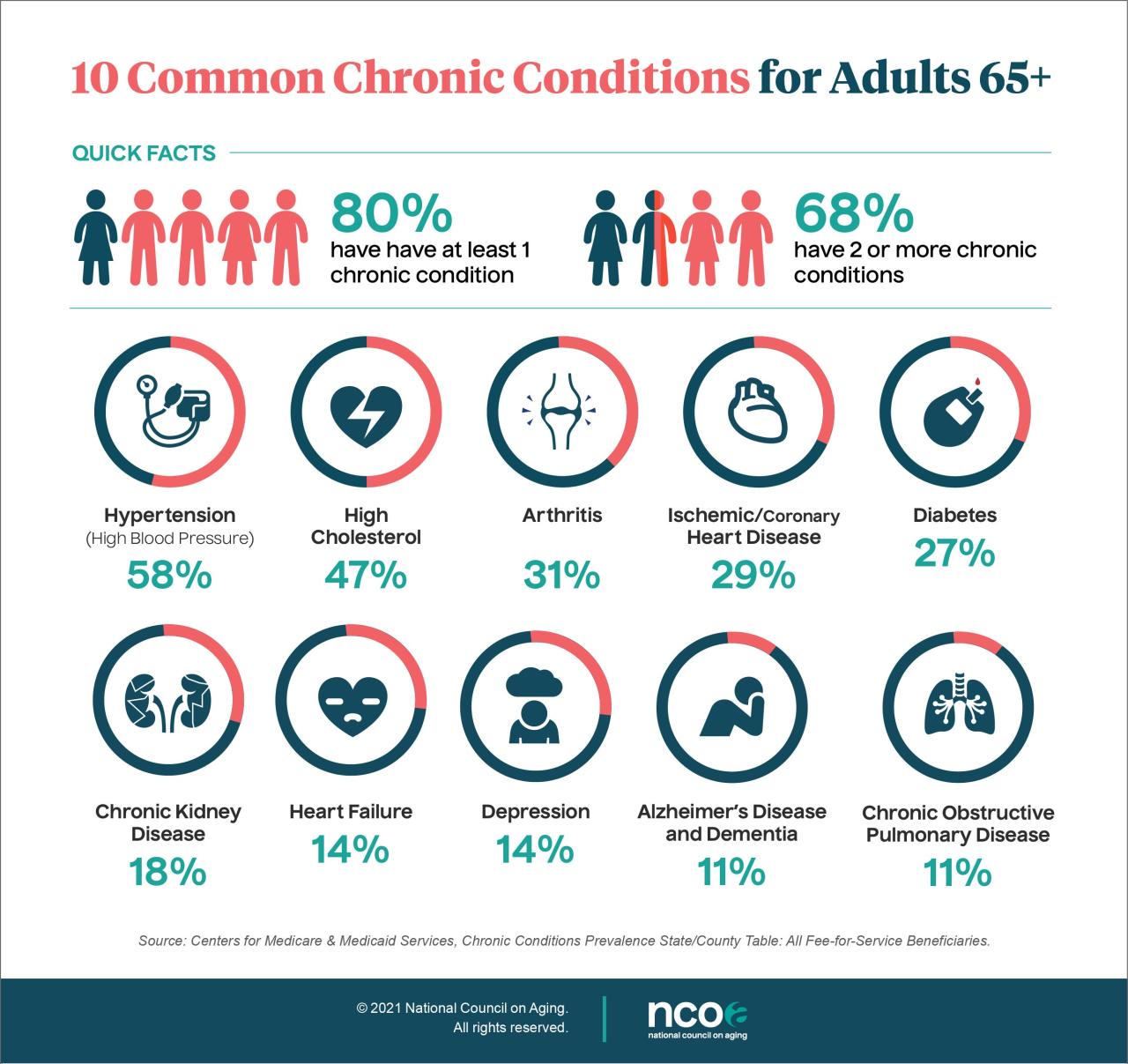
Geisinger Health System is a nationally recognized leader in proactive, patient-centered chronic condition management. Their programs leverage technology and a holistic approach to improve patient outcomes and reduce healthcare costs associated with conditions like diabetes, heart failure, and chronic obstructive pulmonary disease (COPD). This approach goes beyond simple treatment and focuses on empowering patients to actively manage their health.Geisinger’s comprehensive chronic condition management programs encompass various services designed to meet the unique needs of each patient.
These programs are built upon a foundation of data integration, telehealth, and remote patient monitoring, fostering a continuous loop of care and communication between patients and their healthcare teams.
Chronic Condition Management Program Offerings
Geisinger offers tailored programs for numerous chronic conditions. These programs typically involve regular check-ins with healthcare providers, educational resources, and personalized support to help patients adhere to treatment plans and improve their overall well-being. Specific programs may include individualized care plans for diabetes management, remote monitoring of heart failure patients, and pulmonary rehabilitation for individuals with COPD. The intensity and specifics of each program are adjusted to meet the individual needs and preferences of the patient.
Technological Infrastructure Supporting Chronic Condition Management
Geisinger utilizes a robust technological infrastructure to support its chronic condition management programs. This includes a sophisticated telehealth platform that facilitates virtual visits, allowing patients to connect with their care team from the comfort of their homes. Remote patient monitoring (RPM) devices, such as blood pressure monitors, weight scales, and glucose meters, transmit vital health data directly to Geisinger’s secure system.
This enables proactive intervention and adjustments to treatment plans based on real-time patient data. The system also integrates with electronic health records (EHRs), providing a complete and readily accessible view of the patient’s medical history.
Data Integration for Holistic Care
Geisinger’s success in chronic condition management hinges on its ability to integrate patient data from various sources. Information gathered from telehealth visits, RPM devices, EHRs, and even patient-reported data through mobile apps is compiled into a unified view. This holistic approach allows healthcare providers to identify potential issues early on and intervene promptly, preventing hospitalizations and improving overall patient outcomes.
For example, if a patient’s blood pressure readings consistently show elevated levels, the system automatically alerts the care team, allowing for timely intervention and adjustments to medication or lifestyle recommendations.
Comparison with Other Leading Healthcare Systems
While many healthcare systems are implementing chronic condition management programs, Geisinger’s approach stands out due to its strong emphasis on technology integration and proactive care. Compared to systems that rely primarily on in-person visits, Geisinger’s use of telehealth and RPM allows for more frequent monitoring and personalized support. This proactive approach leads to better patient engagement and improved outcomes.
Furthermore, Geisinger’s commitment to data integration offers a more comprehensive view of the patient’s health, enabling more informed and effective care decisions. While other systems are catching up, Geisinger continues to be a leader in the field, setting a high benchmark for chronic condition management.
Best Buy’s Role in Home Chronic Condition Management
Source: kc-usercontent.com
Best Buy, traditionally known for its consumer electronics retail, has increasingly ventured into healthcare technology and services. This expansion positions them uniquely to partner with healthcare providers like Geisinger in delivering effective home-based chronic condition management. Their existing infrastructure and expertise offer significant advantages in bridging the gap between technology and patient care.Best Buy’s Synergies with Geisinger in Home-Based Chronic Condition ManagementBest Buy’s extensive retail network, coupled with its established technical support capabilities, provides a strong foundation for a collaborative effort with Geisinger.
Geisinger’s expertise in chronic condition management, combined with Best Buy’s reach and technical prowess, creates a powerful synergy. This partnership could revolutionize how patients manage their conditions at home, improving outcomes and reducing healthcare costs. Their combined strengths could streamline access to essential technologies and offer comprehensive support, leading to better patient engagement and adherence to treatment plans.
Best Buy’s Retail Network Facilitating Access to Technology and Support
Best Buy’s vast network of physical stores offers convenient access points for patients to acquire and learn how to use necessary medical devices and technologies. This accessibility is crucial, especially for elderly patients or those with limited mobility who might struggle with online ordering or complex technical setups. In-store consultations with trained staff could help patients understand and utilize their devices effectively, addressing potential technical issues and ensuring proper usage.
Furthermore, Best Buy’s Geek Squad could provide ongoing technical support, resolving issues promptly and preventing disruptions to treatment. This combination of retail convenience and technical expertise directly addresses the challenges patients face in managing their chronic conditions at home. For example, a patient with diabetes could easily purchase a continuous glucose monitor at a local Best Buy, receive assistance with setup, and have ongoing support for troubleshooting any technical glitches.
Potential Partnerships and Collaborations Between Best Buy and Geisinger
Several potential collaborations between Best Buy and Geisinger could significantly enhance home-based chronic condition management. One possibility is the establishment of dedicated in-store chronic care clinics within select Best Buy locations. These clinics, staffed by Geisinger personnel, could offer consultations, monitor patients’ progress, and provide education on managing their conditions. Another avenue is the development of co-branded telehealth programs, leveraging Best Buy’s technological expertise and Geisinger’s medical knowledge.
These programs could offer remote monitoring, virtual consultations, and personalized support tailored to individual patient needs. For instance, Geisinger could provide remote patient monitoring programs utilizing wearable technology sold and supported by Best Buy. This would provide continuous data to Geisinger, allowing for proactive intervention and adjustments to treatment plans. Furthermore, Best Buy could offer customized home technology packages, including smart devices and connectivity solutions, designed to simplify medication management and improve overall health outcomes.
This holistic approach combines the strengths of both organizations, offering a comprehensive solution for patients managing chronic conditions at home.
Technological Solutions for Home-Based Care: Best Buy Geisinger Home Chronic Condition Management

Source: innovativehomecare.com
The rise of telehealth and remote patient monitoring (RPM) has revolutionized home-based chronic condition management. These technologies empower patients to actively participate in their care, leading to improved health outcomes and reduced healthcare costs. This section will explore various technological solutions and their applications in managing chronic conditions at home.
Telehealth Platforms in Home Chronic Condition Management
Choosing the right telehealth platform is crucial for effective home-based care. The following table compares some popular options, highlighting their features, benefits, and limitations.
| Platform | Features | Benefits | Limitations |
|---|---|---|---|
| Zoom | Video conferencing, screen sharing, recording | Widely accessible, user-friendly, cost-effective for basic use | Limited integration with medical devices, lacks robust data analytics |
| Teladoc | Video visits, secure messaging, prescription refills | Convenient access to physicians, streamlined communication | Can be expensive, may not cover all specialties |
| MDLIVE | Video visits, specialist consultations, mental health services | Offers broad range of services, convenient scheduling | Cost can vary, availability of specialists may be limited geographically |
| Amwell | Video visits, chronic care management programs, remote monitoring | Integrated platform with RPM capabilities, personalized care plans | Higher cost compared to basic video conferencing platforms |
Remote Patient Monitoring Program for Diabetes and Heart Failure, Best buy geisinger home chronic condition management
A hypothetical program integrating RPM devices for diabetes and heart failure management could involve the following components: For diabetes, continuous glucose monitors (CGMs) and insulin pumps would transmit glucose levels and insulin delivery data. For heart failure, wearable devices would track heart rate, blood pressure, and weight. This data would be transmitted wirelessly to a central server for analysis.
Alerts would be triggered based on pre-defined thresholds (e.g., high glucose levels, irregular heart rhythm, significant weight gain). Clinicians would receive these alerts and intervene accordingly, providing timely adjustments to treatment plans.
Data Visualization and Patient Progress
Data visualization tools are invaluable in interpreting RPM data and identifying potential issues. For example, a simple line graph showing glucose levels over time can quickly highlight trends and potential complications. The following table illustrates sample data visualized in this manner.
| Date | Time | Glucose Level (mg/dL) | Notes |
|---|---|---|---|
| October 26, 2023 | 8:00 AM | 100 | Within target range |
| October 26, 2023 | 12:00 PM | 150 | Slightly elevated |
| October 26, 2023 | 6:00 PM | 200 | High, requires intervention |
| October 27, 2023 | 8:00 AM | 120 | Improved after intervention |
Innovative Home-Based Technology Solutions
Smart pill dispensers with adherence tracking features send alerts to patients and caregivers, ensuring timely medication intake. Mobile apps offer personalized reminders, educational materials, and self-management tools for chronic conditions, allowing patients to actively participate in their treatment. Wearable sensors can monitor vital signs and activity levels, providing valuable data for personalized care plans and early detection of potential health issues.
For example, a smart inhaler can track usage and send reminders to patients who are not using their inhaler as prescribed, aiding in the management of asthma or COPD.
Patient Experience and Outcomes

Source: gulfcoasthc.org
The success of any home-based chronic condition management program hinges on the patient experience and the demonstrable improvement in health outcomes. A positive patient journey fosters engagement and adherence, ultimately leading to better health management and reduced healthcare costs. This section will explore the patient experience within the Geisinger-Best Buy partnership, addressing potential challenges and outlining strategies for improvement.
The patient journey begins with a referral to the program, often initiated by a physician or healthcare provider. This is followed by an assessment of the patient’s needs and technological capabilities, ensuring the chosen solutions are appropriate and accessible. Regular virtual check-ins with healthcare professionals, often via telehealth platforms, provide ongoing support and monitoring. Patients may also receive regular deliveries of medication or supplies, streamlining the management of their condition.
Geisinger’s home chronic condition management program is a game-changer for proactive healthcare, offering personalized support and remote monitoring. The recent legal battle highlighted in this article, aha hospital groups court brief urging stay restore Affortable Care Act preventive , underscores the importance of affordable access to preventative care, which directly impacts the success of programs like Geisinger’s. Ultimately, strong preventative care initiatives are key to managing chronic conditions effectively and lowering healthcare costs long-term.
Data collected through wearable devices or at-home monitoring equipment provides valuable insights into the patient’s progress, enabling timely interventions and adjustments to the treatment plan. Finally, regular feedback mechanisms, such as surveys or interviews, allow patients to share their experiences and help identify areas for improvement.
Challenges in Adopting Home-Based Technologies
Patients may encounter various obstacles when using home-based technologies for chronic condition management. These challenges can significantly impact their engagement and adherence to the program. Understanding these challenges is crucial for developing effective strategies to address them.
A lack of technological literacy or comfort with technology is a significant barrier for some patients. Other challenges include the cost of devices and internet access, particularly for patients with limited financial resources. Privacy concerns surrounding the collection and use of personal health data also represent a significant hurdle. Finally, the complexity of using certain devices and software can lead to frustration and ultimately, abandonment of the program.
- Lack of technological literacy or digital dexterity.
- High cost of devices and internet connectivity.
- Concerns about data privacy and security.
- Complexity of technology and user interface.
- Lack of personalized support and training.
Improving Patient Engagement and Adherence
Geisinger and Best Buy can employ several strategies to enhance patient engagement and adherence. These strategies focus on addressing the challenges mentioned earlier and providing personalized support.
Best Buy and Geisinger’s home chronic condition management program has been a lifesaver for many, providing remote monitoring and support. The recent news that the covid 19 public health emergency ends is significant, as it marks a shift in healthcare focus, but the need for convenient, accessible programs like this one remains crucial for managing long-term health conditions.
Ultimately, continued access to remote health services like this will remain vital for many patients.
Personalized training and technical support are essential for successful technology adoption. This can include in-home visits from trained technicians, remote assistance via video conferencing, and easily accessible online tutorials. Financial assistance programs can help mitigate the cost of devices and internet access for low-income patients. Building trust and addressing privacy concerns through clear communication and transparent data handling practices is crucial.
Furthermore, gamification and reward systems can motivate patients to actively participate in their care. Finally, regular communication and feedback mechanisms allow for prompt identification and resolution of any issues.
Metrics for Assessing Program Effectiveness
Measuring the effectiveness of the program requires a robust system for tracking key metrics. These metrics should reflect improvements in patient outcomes and cost savings.
Several key metrics can be used to assess the effectiveness of the program. These metrics focus on both clinical outcomes and patient-reported outcomes, providing a comprehensive view of the program’s impact. By tracking these metrics, Geisinger and Best Buy can continually evaluate and improve the program’s effectiveness.
| Metric | Description | Example |
|---|---|---|
| Hospitalization Rates | Reduction in hospital readmissions and emergency room visits. | A 20% reduction in hospital readmissions for patients with congestive heart failure. |
| Emergency Room Visits | Decrease in the number of emergency room visits. | A 15% decrease in emergency room visits for patients with diabetes. |
| Medication Adherence | Improved adherence to prescribed medications. | A 10% increase in medication adherence rates as measured by pill counts and pharmacy refill data. |
| Quality of Life | Improved scores on quality-of-life questionnaires. | A 15-point increase on the SF-36 Health Survey for patients with chronic obstructive pulmonary disease. |
| Patient Satisfaction | Higher patient satisfaction scores on surveys. | A 90% satisfaction rating on patient surveys regarding program usability and support. |
Ethical and Legal Considerations
The integration of technology into home-based chronic condition management presents exciting opportunities for improved patient care, but it also raises significant ethical and legal challenges. Balancing the benefits of remote monitoring and telehealth with the need to protect patient privacy and autonomy is crucial for the success and ethical viability of these programs. Navigating the complex legal landscape and establishing robust ethical frameworks are paramount to building trust and ensuring responsible innovation.
Best Buy and Geisinger’s home chronic condition management program is a fascinating example of retail healthcare integration. It makes me wonder how this model compares to larger players like Walgreens, who just raised their healthcare segment outlook following their Summit acquisition, as reported in this article: walgreens raises healthcare segment outlook summit acquisition. Ultimately, both approaches aim to improve patient outcomes through convenient access to care, but their strategies differ significantly.
The success of the Best Buy/Geisinger model could influence future strategies for retail giants like Walgreens.
Data Privacy and Security in Home-Based Settings
The collection and transmission of sensitive patient health data via connected devices and telehealth platforms inherently involve risks. Data breaches, unauthorized access, and accidental disclosures are potential threats. Protecting this information requires a multi-layered approach, including robust encryption protocols, secure data storage, and strict access control measures. For example, employing end-to-end encryption for all data transmitted between the patient’s device and the healthcare provider’s system minimizes the risk of interception.
Regular security audits and penetration testing can identify and address vulnerabilities before they are exploited. Furthermore, adhering to regulations like HIPAA in the United States is non-negotiable. Failure to do so can lead to severe penalties and irreparable damage to patient trust.
Legal Frameworks Governing Telehealth and Remote Patient Monitoring
The legal landscape governing telehealth and remote patient monitoring varies across jurisdictions. In many regions, specific regulations address licensing requirements for healthcare professionals providing remote care, the admissibility of remotely collected data in legal proceedings, and the liability associated with remote monitoring systems. Understanding these regulations is essential for both healthcare providers and technology companies involved in these programs.
For instance, a healthcare provider offering telehealth services across state lines must comply with the licensing requirements of each state where they serve patients. Similarly, the use of remote patient monitoring data in clinical decision-making needs to comply with applicable evidence standards.
Ethical Dilemmas Related to Patient Autonomy, Data Ownership, and Access to Care
Several ethical dilemmas arise in the context of home-based chronic condition management. Concerns about patient autonomy involve ensuring informed consent for data collection and sharing, respecting patient preferences regarding the level of monitoring, and providing clear explanations of the risks and benefits. Data ownership raises questions about who controls and benefits from the collected data – the patient, the healthcare provider, or the technology company.
Addressing potential biases in access to care due to digital literacy or socioeconomic disparities is also crucial. For example, a patient may feel pressured to participate in a remote monitoring program despite not fully understanding the implications, thereby compromising their autonomy. Similarly, the data generated through these programs could be used for purposes beyond direct patient care, raising concerns about data ownership and potential exploitation.
Best Practices for Ensuring Data Security and Patient Privacy
Implementing robust data security and privacy measures is paramount. This includes adopting strong password policies, implementing multi-factor authentication, and regularly updating software and firmware on all devices. Data minimization – collecting only the necessary data – is a key principle. Transparency with patients about data collection practices and data sharing agreements is essential to build trust. Regular employee training on data security and privacy best practices should be mandated.
Furthermore, a comprehensive incident response plan should be in place to manage potential data breaches effectively. Finally, adherence to relevant privacy regulations and industry best practices, such as those established by organizations like NIST, is crucial for ensuring the responsible use of patient data.
Closing Notes
The Best Buy and Geisinger partnership represents a significant leap forward in home-based chronic condition management. By combining technological innovation with a patient-centric approach, they’re creating a model for the future of healthcare. While challenges remain in areas like data security and patient engagement, the potential benefits – improved health outcomes, increased convenience, and empowered patients – are undeniably compelling.
This collaborative effort showcases how unlikely partnerships can transform healthcare delivery and improve the lives of countless individuals managing chronic conditions.
FAQ Guide
What types of chronic conditions are covered by this program?
While the specific conditions may vary, the program likely addresses common chronic illnesses like diabetes, heart failure, hypertension, and COPD. It’s best to check directly with Geisinger or Best Buy for a comprehensive list.
How much does this program cost?
Pricing will depend on several factors, including the specific services utilized and insurance coverage. Contacting Geisinger or your insurance provider is crucial to determine the exact cost.
What if I don’t have a Best Buy nearby?
The program’s accessibility might depend on the geographical reach of the services offered by Geisinger and the distribution of technology provided through Best Buy. It’s important to verify the availability in your specific location.
What kind of technical support is available?
Both Geisinger and Best Buy likely offer technical support options, ranging from online resources and tutorials to phone or in-person assistance, depending on the complexity of the technology involved.