Public Health Concerns Rise Following Anses Report on Cadmium Impregnation in the French Population and the Mitigating Role of Organic Agriculture

The French Agency for Food, Environmental and Occupational Health & Safety (Anses) released a comprehensive report on Wednesday, March 25, 2026, revealing significant levels of cadmium impregnation within the French population, with particularly high levels of concern noted among children. The findings underscore a growing public health crisis surrounding this heavy metal, which has been classified since 2012 as a CMR substance—meaning it is carcinogenic, mutagenic, and toxic for reproduction. The report demonstrates that diet remains the primary source of cadmium exposure for the general public, accounting for the vast majority of the physiological burden found in tested subjects. Beyond its reproductive and carcinogenic risks, cadmium is a cumulative toxin that primarily targets the kidneys and has been directly linked to the onset of osteoporosis and increased bone fragility.
As a result of these findings, Anses has officially moved to re-evaluate the Toxicological Reference Value (VTR) for the ingestion of cadmium. This move signals a shift in how health authorities perceive the "safe" limits of exposure, suggesting that current thresholds may no longer be sufficient to protect the most vulnerable segments of the population. Cadmium is a trace metallic element that is ubiquitous in the environment, occurring both naturally and as a result of intensive human activity. While industrial emissions contribute to its presence, the Anses report highlights that modern agricultural practices—specifically the widespread use of phosphate fertilizers—represent the most significant source of soil contamination and subsequent human exposure.
The Chemical Path: From Phosphate Fertilizers to the Human Body
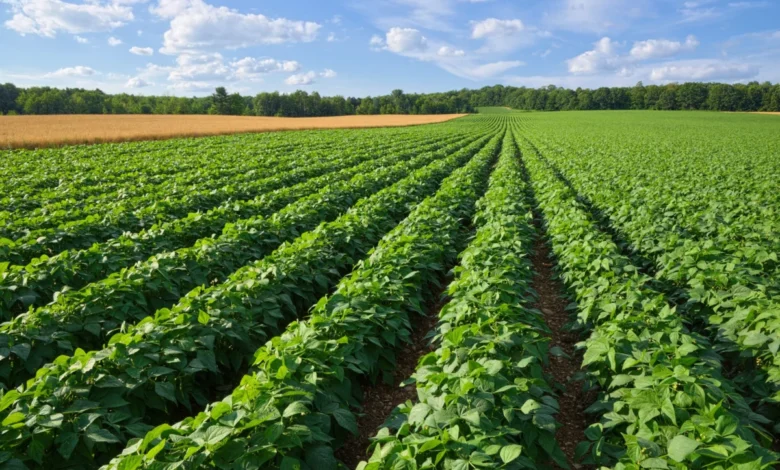
Cadmium enters the human food chain through a relatively straightforward biological process. Because cadmium is often found in high concentrations within the mineral phosphate rock used to manufacture fertilizers, it is inadvertently applied to vast swathes of agricultural land. Once in the soil, cadmium is highly bioavailable; it is easily absorbed by the root systems of plants, particularly leafy vegetables, cereals, and root crops. Unlike some other heavy metals that remain trapped in the soil, cadmium migrates efficiently into the edible parts of the plant.
The 2026 Anses report emphasizes that the intensity of this transfer is not uniform across all types of farming. While the general presence of cadmium in the environment suggests that all food products might be affected, the specific inputs used in different agricultural systems play a decisive role in the final concentration levels. The report’s release has sparked a renewed debate over the systemic differences between conventional and organic (AB – Agriculture Biologique) farming methods, specifically regarding how each system manages heavy metal inputs.
Comparative Regulatory Frameworks: Organic vs. Conventional
One of the most critical revelations in the discourse following the Anses report is the disparity in regulatory thresholds for cadmium-bearing inputs. While some interpretations of the report suggest that all agricultural soils are subject to the same environmental pressures, a closer look at European and French regulations reveals that organic farming operates under much stricter constraints.
Organic agriculture regulations currently impose cadmium limits that are significantly lower than those permitted in conventional farming. Specifically, the thresholds for mineral phosphates used in organic systems are 30% lower than those in the conventional sector. Furthermore, the regulations governing composted bio-waste—a common fertilizer in organic systems—are 75% more stringent. In practical terms, organic farming limits cadmium levels in phosphorus sources to 60 mg/kg, compared to the 90 mg/kg allowed in conventional agriculture. For composted bio-waste, the limit is 0.7 mg/kg in organic systems, whereas conventional systems allow up to 3 mg/kg.
These regulatory safeguards are complemented by the fact that organic farmers are prohibited from using chemically treated phosphates, which are identified as the primary vector for cadmium contamination in conventional fields. By opting for natural, less-processed inputs, organic agriculture fundamentally limits the volume of new cadmium introduced into the ecosystem.
Scientific Backing: The Phosphobio Study and Inrae Findings
The superiority of organic practices in managing cadmium levels is supported by data from the "Phosphobio" study, conducted by Arvalis, a leading French agricultural technical institute. The study found that mineral phosphates represent less than 1% of the total fertilizers used in organic farming. This data is echoed by analyses from the Center for Studies and Strategic Foresight of the Ministry of Agriculture, Food, and Forestry, which confirm that organic producers rely almost exclusively on organic fertilizers and livestock effluents rather than mineral-based chemical inputs.
Furthermore, research conducted by experts at the National Research Institute for Agriculture, Food and the Environment (Inrae) has shed light on the "antagonistic effects" of organic matter. Even when organic fertilizers contain trace amounts of cadmium, the high organic matter content in the soil helps to stabilize the metal. In organic systems, the cadmium becomes less mobile, meaning it is less likely to be absorbed by the plant’s roots compared to the more volatile environment of a field treated with synthetic nitrogen and mineral phosphates.
Inrae researchers also identified a "cocktail effect" prevalent in conventional agriculture that organic farming avoids. The simultaneous use of mineral nitrogen fertilizers and mineral phosphate fertilizers can chemically stimulate the transfer of cadmium from the soil to the crop. Because organic farming prohibits the use of synthetic mineral nitrogen fertilizers, this specific synergistic pathway for contamination is effectively blocked.
Chronology of Cadmium Regulation and Public Health Milestones
The current concern over cadmium is the culmination of decades of scientific observation and shifting policy:
- 2012: Cadmium is officially classified as a CMR (Carcinogenic, Mutagenic, and Reprotoxic) substance at the European level, triggering a series of long-term health impact studies.
- 2014-2015: Landmark studies demonstrate that organic food contains, on average, 48% less cadmium than conventional produce, bringing the agricultural debate to the forefront of consumer health.
- 2019: The French National Nutrition and Health Program (PNNS) updates its official recommendations, advising French citizens for the first time to "move towards organic foods" to limit exposure to chemical inputs and heavy metals.
- 2022: The European Union implements New Regulation (EU) 2019/1009, which sets stricter limits on cadmium in fertilizing products, though critics argue the limits remain too high for long-term soil health.
- March 2026: The Anses report confirms that despite existing regulations, cadmium impregnation in the French population—especially in children—remains at a level that necessitates an immediate re-evaluation of toxicological safety standards.
Public Health Implications and Consumer Exposure
The health implications of the Anses report are far-reaching. For the adult population, chronic exposure to cadmium is a "silent" risk, as the metal accumulates in the liver and kidneys over decades. The half-life of cadmium in the human body is estimated to be between 10 and 30 years, meaning once absorbed, it is extremely difficult for the body to eliminate. This accumulation is what leads to renal dysfunction and the demineralization of bones, as cadmium interferes with the body’s ability to process calcium and vitamin D.
For children, the risks are even more acute. Because children have a higher food intake relative to their body weight and their organs are still developing, the impregnation levels found in the 2026 report have caused significant alarm among pediatricians and environmental health experts. Studies cited in the report indicate that regular consumers of organic products show significantly lower levels of chemical and metallic residues in their systems, as evidenced by urine and blood analysis.
Corinne Mairie, an eco-dietician and environmental health expert, emphasizes that the issue is not just about individual choice but about a systemic failure to protect the "soil-to-plate" pipeline. "While the PNNS has recommended organic food since 2019, the Anses report shows that the burden of contamination is a result of decades of phosphate use. Organic agriculture provides a shield, but the surrounding environment remains saturated," Mairie noted in a commentary on the findings.
The Systemic Challenge: Soil Persistence and Future Outlook
A critical takeaway from the Anses report is the "persistent" nature of the cadmium problem. Unlike some pesticides that break down over weeks or months, cadmium is an element; it does not disappear. Once introduced into agricultural soil via contaminated phosphate fertilizers, it remains there indefinitely unless physically removed or diluted over centuries.
While organic agriculture (AB) may still be practiced on soils that were previously contaminated by conventional methods, the organic system itself does not add new cadmium to the cycle. This "zero-input" philosophy regarding heavy metals is vital for the long-term restoration of soil health. However, the report warns that as long as conventional agriculture continues to use high-cadmium mineral phosphates, the total environmental load will continue to rise, potentially impacting organic crops through water runoff and dust drift.
The 2026 Anses report serves as a definitive call for a transition in agricultural policy. Experts suggest that the next steps must involve even stricter European-wide limits on cadmium in all fertilizers, not just those used in organic farming. Additionally, there is a growing call for increased support for soil remediation technologies and a more aggressive push to align national dietary habits with the reality of environmental contamination.
As France moves to re-evaluate its Toxicological Reference Values, the focus shifts to how the government will balance the needs of the agricultural industry with the undeniable data regarding public health. For now, the evidence points toward organic agriculture as the most effective existing model for reducing dietary cadmium exposure, offering a blueprint for a safer, more sustainable food system.