The Growing Role of SMS Technology in Optimizing Post-Operative Continuity of Care and Hospital Information Systems

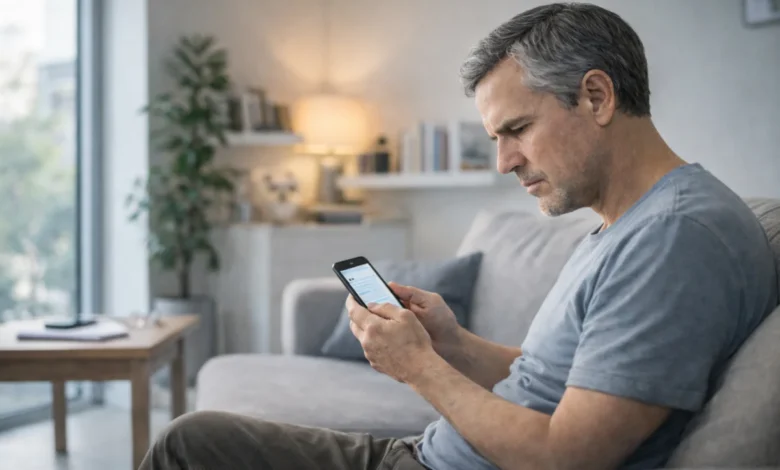
The modern healthcare landscape is undergoing a significant transformation, shifting its focus from the immediate clinical intervention to the broader scope of patient recovery and long-term monitoring. For contemporary Hospital Information Systems (HIS), the primary challenge no longer lies in the specific channel of communication used, but rather in the systematic capacity to document and ensure the continuity of care once a patient has been discharged. This evolution is being driven by both technological advancements and updated regulatory frameworks. In its 2025 reference manual for the quality certification of healthcare establishments, the French National Authority for Health (Haute Autorité de Santé, or HAS) has explicitly integrated post-discharge follow-up via telephone or SMS as a key metric for institutional excellence. This regulatory shift highlights a growing consensus: the transition from hospital to home is a critical period where patient safety must be actively managed, not just assumed.
The Strategic Shift Toward Asynchronous Communication
For decades, the "day-after" phone call was the gold standard for post-operative follow-up, particularly in ambulatory surgery. However, as the volume of outpatient procedures continues to rise globally, the traditional phone-call model has faced mounting pressure due to its high resource demands and inherent inefficiencies. Scientific research is now providing a robust evidence base for the transition to Short Message Service (SMS) as a primary tool for post-operative monitoring.
A landmark study conducted at the Rouen University Hospital (CHU de Rouen), published in 2020 in JMIR mHealth and uHealth, offers a comprehensive look at this transition. The study analyzed 4,388 patients undergoing ambulatory surgery, comparing two distinct periods: one where follow-up was conducted via telephone (2,160 patients) and a subsequent period utilizing an automated SMS system (2,228 patients). The SMS protocol involved a structured series of messages sent the day before surgery, on the first post-operative day (J+1), and one week after the procedure (J+7). Crucially, the system allowed for two-way communication, enabling patients to respond to prompts.
The results of the Rouen study were striking in terms of clinical safety. The rate of conversion to full hospitalization—where a patient requires unplanned admission following an outpatient procedure—dropped significantly from 1.20% in the telephone group to just 0.36% in the SMS group. Furthermore, complications related specifically to anesthesia saw a sharp decline, falling from 0.69% to 0.18%. These figures suggest that the structured, timely nature of SMS prompts may encourage earlier identification of red flags or better adherence to post-operative instructions, thereby preventing the escalation of minor issues into major medical events.
Economic Efficiency and Human Resource Optimization
Beyond clinical outcomes, the integration of SMS technology into Hospital Information Systems addresses the chronic issue of healthcare professional burnout and resource misallocation. The Rouen study quantified the administrative and labor burden of traditional follow-up methods with precision. A standard follow-up telephone contact was estimated to take approximately 15 minutes per patient. When scaled to an annual volume of 3,600 patients, this represents 900 hours of work—equivalent to more than half of a full-time nurse’s annual schedule.
In contrast, the SMS-based platform required what researchers described as "negligible" monitoring time. The operational workflow was designed to be exception-based: the system would only flag "abnormal" responses, which would then trigger a targeted callback from a nurse. Under this routine, the medical team estimated that only one patient per day required a direct phone call. Because the reason for the call was already identified through the patient’s SMS response, these interactions were significantly shorter and more focused.
The financial implications are equally compelling. The cost of traditional telephone follow-up was estimated at €6 per patient, while the SMS platform reduced this cost to €3 per patient. For large healthcare systems processing tens of thousands of ambulatory patients annually, these savings represent a significant opportunity to reinvest funds into specialized care or infrastructure.
Specialized Application: The Toulouse Cataract Study
The utility of SMS follow-up is not limited to general surgery. A more recent prospective study conducted at the Toulouse University Hospital (CHU de Toulouse), published in the Journal français d’ophtalmologie in late 2024/early 2025, focused on the specific needs of cataract surgery patients. Between October 2022 and May 2023, 369 patients were monitored using a "pack" of approximately ten SMS messages sent from four days before surgery (J-4) to three days after (J+3).
This study introduced a more sophisticated layer of engagement by including links to explanatory videos within the text messages starting in April 2023. The results demonstrated exceptional levels of patient engagement and clarity. A staggering 96.6% of patients reported receiving the messages, and 98.8% stated they fully understood the information provided. The satisfaction metrics were notably high, with patients awarding the SMS system a 9.3 out of 10.
Perhaps most importantly, 96.1% of participants felt that the automated messages actually strengthened their relationship with the healthcare professionals. This counters the common fear that automation "dehumanizes" medicine; instead, it suggests that consistent, helpful communication—even if automated—creates a "digital safety net" that makes patients feel cared for and connected to the hospital during their recovery at home.
The Challenge of Data Quality and the Digital Divide
Despite the overwhelming success of these programs, the transition to digital follow-up is not without its hurdles. The Toulouse study highlighted a critical prerequisite for the success of such systems: the accuracy of patient contact data. Approximately 5.9% of the patients initially included in the study could not be reached via SMS due to the absence of a mobile phone or the provision of an invalid number.
This finding elevates the collection of mobile phone numbers from a simple administrative task to a vital "data quality" point within the Hospital Information System. For an SMS-based follow-up system to be effective, the hospital’s admission process must ensure that digital contact information is verified with the same rigor as medical history or insurance details. Furthermore, healthcare providers must remain mindful of the "digital divide," ensuring that patients who are not tech-savvy or do not own mobile devices are still provided with traditional follow-up options to avoid disparities in care quality.
From Communication Tool to Traceable Medical Data
The true value of SMS in the 2025 healthcare landscape lies in its integration into the broader Hospital Information System (HIS). Unlike a standard phone call, which often leaves behind only a brief, subjective note in a patient’s file, an SMS exchange creates a structured, timestamped, and objective data trail.
In this configuration, every interaction—the sending of the message, the confirmation of receipt, the patient’s specific response, and any subsequent clinical actions taken by the staff—becomes a documentable event. This traceability is essential for several reasons:
- Legal and Regulatory Compliance: It provides an immutable record that the hospital fulfilled its duty to monitor the patient post-discharge, aligning with HAS certification requirements.
- Clinical Continuity: The SMS data can be automatically attached to the patient’s Electronic Health Record (EHR), allowing any physician (including the patient’s GP) to see the trajectory of recovery.
- Proactive Triage: By using standardized responses (e.g., "Rate your pain from 1 to 10"), the HIS can use basic algorithms to prioritize which patients need immediate intervention, transforming the follow-up process from reactive to proactive.
- Long-term Analysis: Aggregated data from thousands of SMS interactions allows hospitals to identify patterns in post-operative recovery, potentially leading to improvements in surgical techniques or pre-operative instructions.
Broader Implications and the Future of the "Smart Hospital"
The success of SMS follow-up programs marks a shift toward a "Smart Hospital" model, where the institution’s reach extends far beyond its physical walls. By utilizing a technology that is already ubiquitous—nearly everyone knows how to read and reply to a text—hospitals can implement sophisticated monitoring without requiring patients to download complex apps or purchase expensive wearable devices.
This "low-tech" approach to "high-impact" care is particularly relevant in an era of global healthcare staffing shortages. By automating the routine aspects of patient monitoring, nurses and surgeons can dedicate their time to complex cases and direct patient care. The SMS becomes a bridge, maintaining the human connection through digital efficiency.
As we look toward the future, the integration of Artificial Intelligence (AI) with these SMS platforms could further revolutionize the field. AI could be used to analyze the sentiment of patient responses or to provide immediate, automated answers to common logistical questions (such as "Where do I park for my follow-up?"), which the Toulouse study identified as representing over 12% of patient inquiries.
In conclusion, the evolution of post-hospitalization care is no longer just about the medical procedure itself, but about the data-driven continuity that follows. The adoption of SMS as a core component of the Hospital Information System represents a pragmatic, cost-effective, and patient-centered solution to one of healthcare’s oldest challenges: ensuring that once the patient leaves the hospital, they are never truly alone. Through the lens of the 2025 HAS standards and the compelling data from Rouen and Toulouse, it is clear that the humble text message has become an indispensable tool in the modern medical arsenal.
Related posts: