The Association Santé Environnement France (ASEF) has released its comprehensive update for late January 2026, marking a significant milestone in the ongoing integration of environmental science into mainstream clinical practice. This latest series of reports and syntheses highlights a paradigm shift in how medical professionals and global health organizations view the relationship between human health and the external environment. From the microscopic interactions within the human gut to the global impact of industrial chemicals and climate change, the January 2026 briefs provide a roadmap for preventive medicine in an increasingly complex ecological landscape.
The Human Microbiota: A New Frontier in Preventive Medicine
Central to the ASEF’s January update is a detailed synthesis on the intestinal microbiota, authored by Dr. Martine Cotinat, a prominent gastroenterologist and author of fifteen specialized works. The report underscores that the human gut is home to hundreds of trillions of microorganisms, including bacteria, viruses, fungi, and parasites. This complex ecosystem is no longer viewed merely as a digestive aid but as a "living organ" that maintains a symbiotic, "win-win" relationship with the host.
The synthesis details the critical functions of the microbiota, which include the protection of the intestinal barrier, the regulation of the immune system, and the synthesis of essential vitamins. Perhaps most notably, the report highlights the "gut-brain axis," a bidirectional communication network that links the enteric nervous system with the central nervous system. When this ecosystem falls into a state of "dysbiosis"—an imbalance in microbial composition—it becomes a contributing factor to a wide array of chronic conditions. These include not only digestive disorders but also metabolic syndromes, autoimmune diseases, and neurodegenerative conditions.

Supporting data suggests that modern lifestyle factors are the primary drivers of dysbiosis. The ASEF report identifies ultra-processed foods, chronic stress, environmental pollutants, and the overprescription of certain medications as key disruptors. To counteract these trends, the synthesis advocates for a diet rich in diverse fibers, regular physical activity, and increased exposure to natural environments, which are known to diversify the microbial populations within the body.
A Global Alarm: The Environmental Roots of Cardiovascular Disease
In a historic move that validates nearly two decades of advocacy by the ASEF, the world’s four leading cardiology organizations—the American College of Cardiology (ACC), the European Society of Cardiology (ESC), the American Heart Association (AHA), and the World Heart Federation (WHF)—have issued a joint declaration. This "global cry for alarm" formally recognizes environmental stressors as major, yet avoidable, causes of cardiovascular disease.
For 18 years, the ASEF has campaigned to have environmental factors treated with the same clinical gravity as tobacco use or high cholesterol. The new global consensus confirms that air pollution, water and soil contamination, noise pollution, and artificial light are direct risk factors for heart disease. According to recent global health statistics, air pollution alone is responsible for an estimated 9 million premature deaths annually, with a significant portion resulting from ischemic heart disease and strokes.
The joint declaration serves as a call to action for policymakers to shift the focus from reactive treatment to proactive environmental transformation. The ASEF’s analysis of this declaration outlines six key measures to protect cardiovascular health on a planetary scale. These include stricter regulations on fine particulate matter (PM2.5), the reduction of urban noise through better infrastructure, and the mitigation of "light pollution," which has been linked to circadian rhythm disruptions and increased blood pressure. This recognition marks a turning point where the cardiologist’s role expands from the clinic to the legislative arena.

The One Health Concept: A Collaborative Framework for the Future
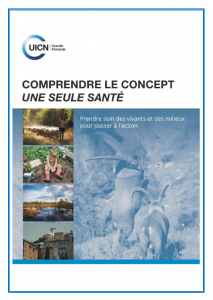
The January 2026 briefs also feature a significant report titled "Understanding the ‘One Health’ Concept," published by the French Committee of the International Union for Conservation of Nature (IUCN). This document is the result of a collaborative effort involving various stakeholders, including experts from the ASEF.
The "One Health" framework is based on the principle that human health, animal health, and ecosystem health are inextricably linked. The report clarifies this approach in the context of rising global challenges, such as zoonotic diseases (which jump from animals to humans) and the health impacts of biodiversity loss. By treating these three domains as a single entity, public health officials can better predict and prevent pandemics and environmental crises.
The IUCN report serves as an educational tool for public action and field initiatives. It precedes a more detailed synthesis brochure scheduled for release in February or March 2026. The ASEF’s involvement in this report highlights the association’s commitment to a holistic view of medicine, where the preservation of a forest or the health of a wildlife population is seen as a direct contribution to human longevity and well-being.
Institutional Change: CHU Limoges and the Ecological Transition
On the ground, the movement toward environmental health is manifesting in the infrastructure of the healthcare system itself. On January 15, 2026, the Limoges University Hospital (CHU de Limoges) hosted its third annual "Together Toward Ecological Transition" day. This event brought together healthcare professionals, environmental experts, and administrators to discuss concrete solutions for reducing the carbon footprint of the medical sector.

The healthcare industry is a significant contributor to global carbon emissions, estimated at approximately 4% to 5% of the global total. Hospitals are energy-intensive institutions that produce vast amounts of specialized waste. Dr. Pierre Souvet, President of the ASEF, was a keynote speaker at the event, where he emphasized that a healthcare system cannot be truly effective if its operations contribute to the environmental degradation that causes disease.
The discussions at CHU Limoges focused on sustainable procurement, waste reduction in surgical theaters, and energy-efficient hospital design. The event underscored the importance of collaboration between research institutions and frontline medical staff to implement "green" protocols that do not compromise the quality of patient care. The ASEF praised the initiative as a model for other French and European hospitals to follow.
Media Scrutiny on PFAS: Addressing the "Forever Chemicals"
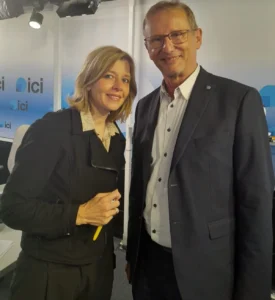
The ASEF’s recent media appearances have focused heavily on the pervasive threat of Per- and Polyfluoroalkyl Substances (PFAS), commonly known as "forever chemicals." In a recent feature for the health outlet Doctissimo, Dr. Pierre Souvet provided an in-depth look at these substances, which are used in everything from non-stick cookware and water-repellent clothing to food packaging and cosmetics.
PFAS are characterized by their extreme persistence in the environment and the human body, as the carbon-fluorine bond—one of the strongest in organic chemistry—does not break down naturally. Dr. Souvet explained that chronic exposure to PFAS is linked to immune system suppression, metabolic disruptions, and an increased risk of certain cancers, including kidney and testicular cancer.
While avoiding PFAS entirely is difficult in the modern world, the ASEF provides practical advice for consumers to limit their exposure. Recommendations include avoiding non-stick pans with damaged coatings, filtering tap water in areas known for industrial contamination, and choosing "PFAS-free" certified consumer goods. This public outreach is part of a broader effort to pressure regulators into a total ban on non-essential PFAS uses, a move currently being debated within the European Union’s REACH framework.
Broader Implications and Strategic Outlook
The convergence of these various updates—microbiota research, cardiovascular declarations, the One Health framework, and chemical regulation—points toward a fundamental restructuring of medical science. The ASEF’s January 23 briefs suggest that by 2026, the distinction between "environmentalism" and "medicine" has largely evaporated.
The implications for the future of public health are profound. There is an increasing demand for "environmental literacy" among medical professionals, requiring them to understand the toxicology of endocrine disruptors and the epidemiological impacts of climate change. Furthermore, the ASEF’s analysis suggests that economic models of healthcare will need to account for the "externalities" of pollution. If air pollution is a primary driver of heart disease, then investments in clean air are, by definition, investments in healthcare.
As the ASEF continues its mission, the focus remains on bridging the gap between scientific research and public policy. The association’s role as a whistleblower and educator has evolved into that of a strategic partner for major health institutions and international bodies. The January 2026 briefs serve as both a summary of progress and a warning that the health of the individual can no longer be separated from the health of the planet.

Through its multi-faceted approach, the ASEF is ensuring that environmental health remains at the top of the global agenda, advocating for a future where clean air, pure water, and a balanced ecosystem are recognized as the fundamental pillars of human medicine. The upcoming months will see further publications and actions aimed at turning these scientific syntheses into actionable legislation and clinical guidelines.