Environmental Health Briefs February 2026 ASEF Addresses Rising Cadmium Concerns Pesticide Legislation and National Nutrition Strategies


The Association Santé Environnement France (ASEF) released its comprehensive environmental health update on February 20, 2026, highlighting a series of critical developments regarding toxic metal exposure, controversial pesticide legislation, and the shortcomings of national nutritional policies. At the center of these briefs is a renewed urgency regarding cadmium exposure, particularly among pediatric populations, and a staunch opposition to legislative attempts to reintroduce neurotoxic pesticides into the French agricultural landscape. These updates arrive at a time when the intersection of environmental pollutants and chronic disease is becoming an inescapable priority for European health regulators and medical professionals alike.
The Cadmium Crisis: New Preventative Frameworks and Health Risks
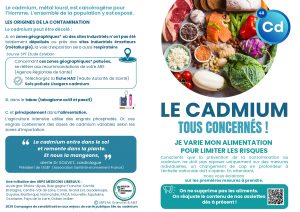
Cadmium, a heavy metal classified as a Group 1 carcinogen by the International Agency for Research on Cancer (IARC), has emerged as a primary focus for ASEF in early 2026. The association has officially launched its "Cadmium Kit," a set of educational and clinical tools designed for both healthcare professionals and the general public. This initiative, supported by the Regional Unions of Health Professionals (URPS), aims to mitigate the rising levels of exposure observed across the French population.

The necessity of these kits is underscored by the metal’s ubiquity. Cadmium enters the human food chain primarily through the use of phosphate fertilizers in industrial agriculture, which contaminate soil and are subsequently absorbed by crops such as cereals, potatoes, and vegetables. Once ingested, cadmium has an exceptionally long biological half-life in humans, often remaining in the kidneys and liver for decades. Chronic exposure is linked to renal dysfunction, bone fragility (including osteoporosis and increased fracture risk), and various forms of cancer.
ASEF’s new resources provide a roadmap for identifying at-risk situations and adopting "protective gestures" in daily life. For medical practitioners, the kits offer guidance on interpreting cadmium levels in patients and providing nutritional advice that can help limit absorption. For the public, the focus is on transparency—understanding which food groups contribute most to their toxic load and how to diversify diets to reduce cumulative exposure.
Findings from the Third Total Diet Study (EAT3)
The urgency surrounding cadmium is further validated by the recent publication of the third Total Diet Study (Étude de l’Alimentation Totale 3, or EAT3) by the French Agency for Food, Environmental and Occupational Health & Safety (ANSES). This landmark study, which follows the EAT2 results from 2011 and an infantile-specific study from 2016, serves as the definitive assessment of the French population’s exposure to chemical contaminants through food.

While the EAT3 report offered some positive indicators—such as a general decrease in lead exposure and a decline in acrylamide levels—the data regarding cadmium is deeply concerning, particularly for children. According to the findings, between 23% and 27% of French children now exceed the Tolerable Daily Intake (TDI) for cadmium. This represents a significant increase from the 15% reported in the EAT2 study over a decade ago.
The report highlights that 28% of analyzed food products showed increased cadmium concentrations, with breakfast cereals seeing a staggering 3.5-fold increase, likely due to the inclusion of cocoa and certain grain types that bioaccumulate the metal. Potatoes and bread products remain the largest contributors to adult exposure. ANSES has emphasized that the TDI is calculated to prevent renal and bone issues by age 60, but emerging research suggests that cardiovascular risks may manifest at even lower levels of exposure. Consequently, ASEF and ANSES are advocating for a "lower is better" approach, pushing for stricter regulations on cadmium content in fertilizers and enhanced monitoring of high-contribution food groups.
Legislative Battles: The Re-emergence of the Duplomb Law
Parallel to these toxicological concerns is a heated political battle over the "Loi Duplomb." Senator Laurent Duplomb has introduced a new legislative proposal aimed at reauthorizing two neonicotinoid-like pesticides: acetamiprid and flupyradifurone. This move comes after the Constitutional Council partially censored a previous version of the text in August 2025, citing environmental and health protections.
ASEF has voiced a definitive "No" to this proposal, characterizing it as a dangerous "sanitary and environmental backtracking." The association argues that the scientific consensus, led by collective expertise from Inserm (the French National Institute of Health and Medical Research), is indisputable. Exposure to these neurotoxic substances is linked to severe pathologies, including various cancers, neurodevelopmental disorders in children, and infertility.
The proposed law is viewed by health advocates as a direct assault on the role of ANSES. By attempting to bypass standard toxicological and epidemiological consultations through "emergency procedures," the legislation threatens the precautionary principle enshrined in the French Environmental Charter. ASEF asserts that the law is not "pro-farmer" as claimed, but rather "pro-agrochemistry," as it favors an intensive model that destroys pollinator populations—the so-called "bee killers"—and compromises the long-term health of agricultural workers who are on the front lines of chemical exposure.
The National Strategy for Food, Nutrition, and Climate (SNANC)
On February 11, 2026, the French government finally published the National Strategy for Food, Nutrition, and Climate (SNANC), a document two years in the making intended to harmonize public health goals with climate imperatives. While ASEF acknowledges the importance of having a framework to guide future National Nutrition and Health Programs (PNNS), the association describes the final text as "insufficiently ambitious."

The SNANC has drawn criticism from a coalition of 70 organizations, including ASEF, for its failure to implement binding restrictions on the advertising of ultra-processed foods (UPFs) high in fat, sugar, and salt. Notably, the term "ultra-processed" is largely absent from the document, and there are no specific, numbered targets for reducing meat consumption. This is despite overwhelming evidence that current dietary patterns are primary drivers of the climate crisis, biodiversity loss, and the rise of non-communicable diseases like diabetes and obesity.
The coalition had called for structural measures: increasing the consumption of legumes, fruits, and organic products while aggressively curbing the marketing of harmful products to children. The SNANC’s reliance on "limitation" without clear enforcement mechanisms or clear definitions of scope suggests a hesitation to confront the powerful food and beverage lobbies. ASEF maintains that a true transformation of the food system is required to address social inequalities in health, as millions of French citizens currently face food insecurity and are disproportionately affected by poor-quality, high-toxicity diets.
Advocacy and the "Monsieur Cadmium" Movement
The briefs also highlight the increasing media presence of ASEF President Dr. Pierre Souvet, who has been dubbed "Monsieur Cadmium" in a recent investigative piece by Reporterre. The profile examines Dr. Souvet’s transition from clinical practice to high-level advocacy, driven by the realization that many of his patients’ ailments were rooted in environmental factors beyond the reach of traditional medicine.

Dr. Souvet’s alarm-sounding on cadmium serves as a microcosm for ASEF’s broader mission. By bringing scientific data into the public square and challenging the lack of awareness among both citizens and decision-makers, the association seeks to bridge the gap between laboratory research and public policy. The Reporterre interview emphasizes that environmental health is no longer a niche concern but a fundamental human rights issue, requiring doctors to "step out of their offices" and engage in the fight against global intoxication.
Implications and Future Outlook
The developments of February 2026 signal a pivotal year for environmental health in France. The rising cadmium levels in children represent a systemic failure in soil management and food safety oversight that will require years of corrective action. Simultaneously, the push for the Duplomb Law illustrates the persistent tension between short-term agricultural yields and the long-term biological integrity of the population.
As ASEF continues to distribute its Cadmium Kits and lobby against the reintroduction of banned pesticides, the focus remains on the "One Health" concept—the inextricable link between the health of the environment, animals, and humans. The association’s critique of the SNANC serves as a reminder that while strategies and frameworks are necessary, they are only effective if they possess the regulatory teeth to challenge industrial status quos. For the remainder of 2026, the medical community’s eyes will be on the implementation of the EAT3 recommendations and the parliamentary debates surrounding the future of French agriculture.