ASEF Environmental Health Briefs and the Launch of the Anti-Toxic Guide to Hidden Pollutants April 2026

The Association Santé Environnement France (ASEF) released its comprehensive mid-April report on April 17, 2026, marking a pivotal moment in the intersection of public health and environmental advocacy. The update highlights a series of strategic initiatives aimed at addressing the escalating crisis of "invisible pollution" that characterizes modern life. Central to this update is the official launch of a major literary and scientific contribution to the field, alongside critical research findings regarding heavy metal contamination in the food supply and the endocrine-disrupting effects of synthetic chemicals on human fertility.

The Launch of Anti-Toxique: A Practical Guide to Modern Environmental Health
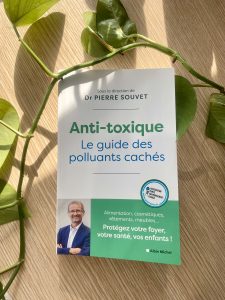
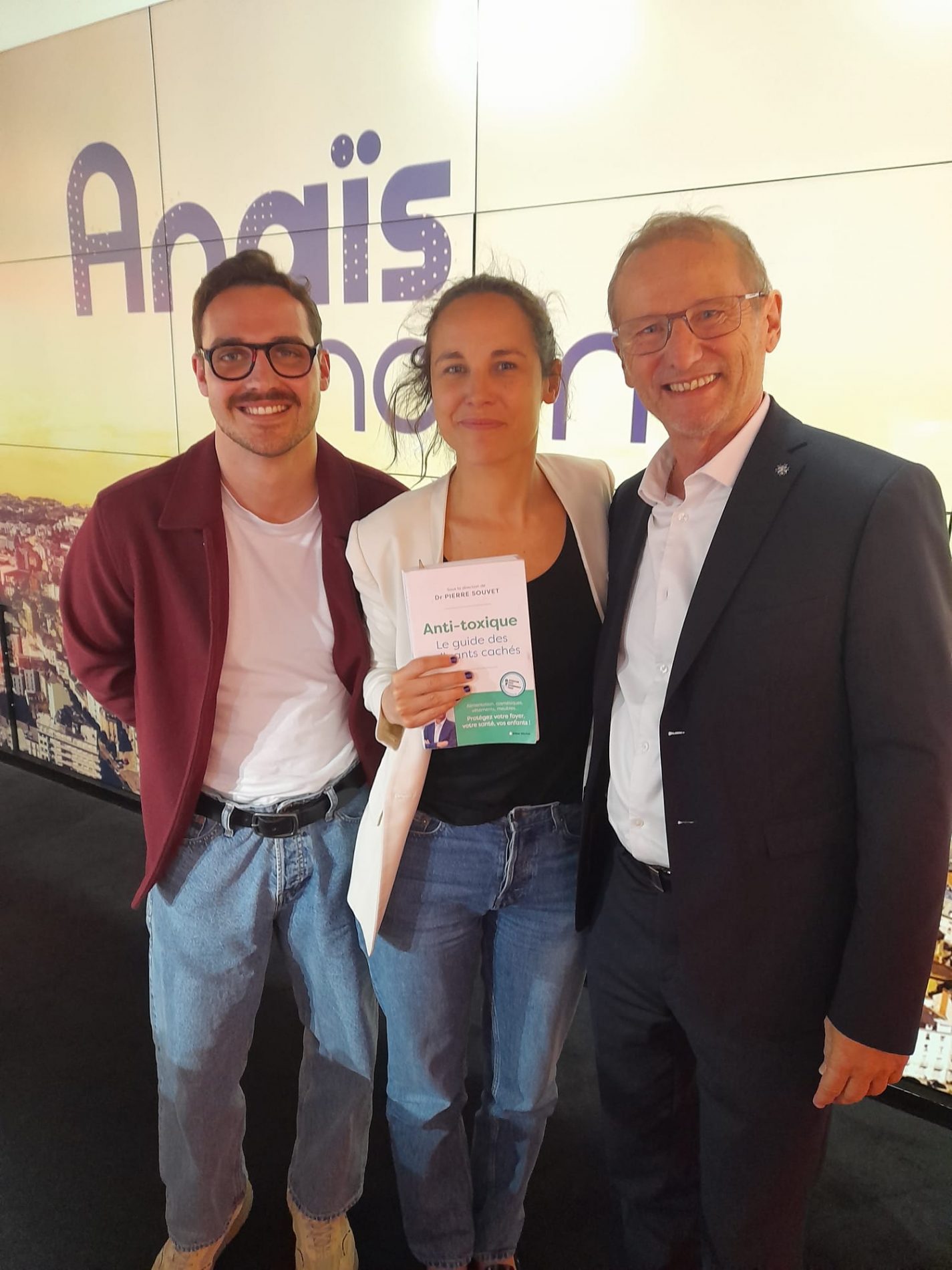
At the forefront of the April 17 briefing is the announcement of the new book, Anti-toxique, le guide des polluants cachés (Anti-toxic: The Guide to Hidden Pollutants), published by Albin Michel. Authored by a collective of ASEF experts and spearheaded by Dr. Pierre Souvet, the President of ASEF, the work serves as a response to the growing body of evidence suggesting that the average citizen is exposed to hundreds of toxic substances daily through air, water, nutrition, cosmetics, and household products.
The book is structured as a practical manual designed for the general public, translating complex toxicological data into actionable household advice. It adopts a room-by-room approach to identifying environmental hazards, offering decryption of commercial labels and suggesting safer alternatives for families. Dr. Souvet’s leadership in this project underscores a shift in the medical community’s approach to chronic illness, moving from reactive treatment toward proactive environmental mitigation.

In the context of 2026 health trends, this publication arrives at a time when "chemical literacy" is becoming a primary concern for European consumers. The guide emphasizes that while individual choices are crucial, they must be informed by a rigorous understanding of how pollutants interact with human physiology.
Analysis of the ANSES Report: Cadmium Contamination and the Organic Advantage
A significant portion of the ASEF briefing is dedicated to the recent findings published by the French Agency for Food, Environmental and Occupational Health & Safety (Anses). On March 25, 2026, Anses released a report detailing alarming levels of cadmium exposure among the French population, with a specific emphasis on the vulnerability of children.
Cadmium is a heavy metal classified as a CMR substance (Carcinogenic, Mutagenic, or Reprotoxic). The primary vector for human exposure is the food chain, specifically through the use of phosphate fertilizers in conventional agriculture. These fertilizers contaminate the soil, and the cadmium is subsequently absorbed by crops, particularly cereals and root vegetables.
However, the ASEF report highlights a crucial data point for public health: organic food contains approximately 48% less cadmium than conventionally grown products. This disparity is attributed to the stricter regulations governing organic farming, which prohibit the use of synthetic phosphate fertilizers that are the primary source of cadmium accumulation in agricultural soil. Corinne Mairie, an eco-dietitian and nutritionist associated with ASEF, provided a detailed breakdown of these findings, suggesting that the transition to organic consumption is not merely a lifestyle choice but a significant preventive health measure against heavy metal toxicity.

Chronology of the April 2026 Media Campaign
Following the release of the Anses report and the launch of the Anti-toxique guide, ASEF engaged in an intensive media blitz to disseminate these findings to the broader public. The timeline of this outreach reflects the high level of media interest in environmental health issues during the first half of April 2026:
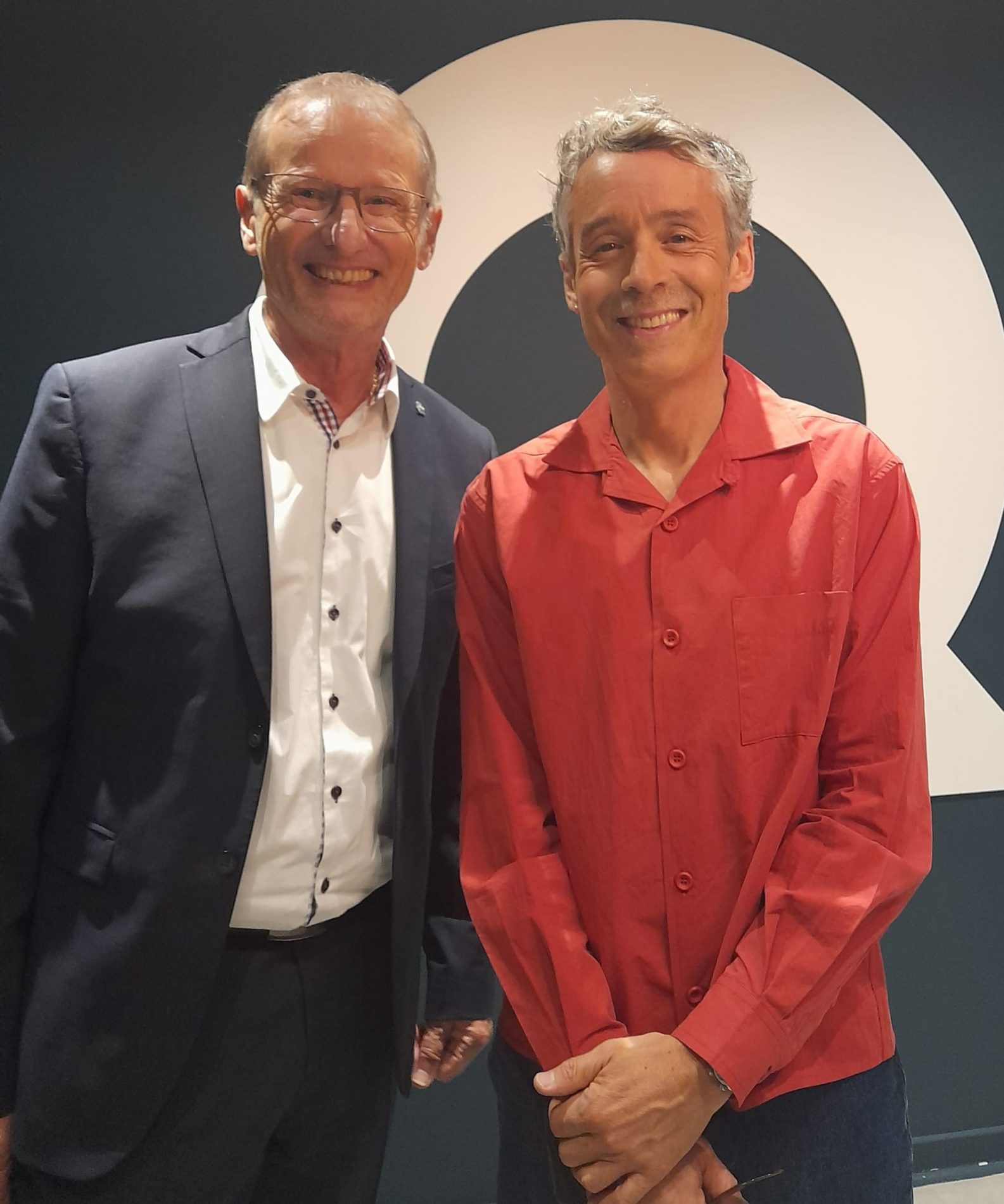
- April 6: Dr. Pierre Souvet appeared on the popular television program Quotidien with Yann Barthès on TMC, where he addressed the "cadmium crisis" and provided preliminary insights into the hidden pollutants found in common consumer goods.
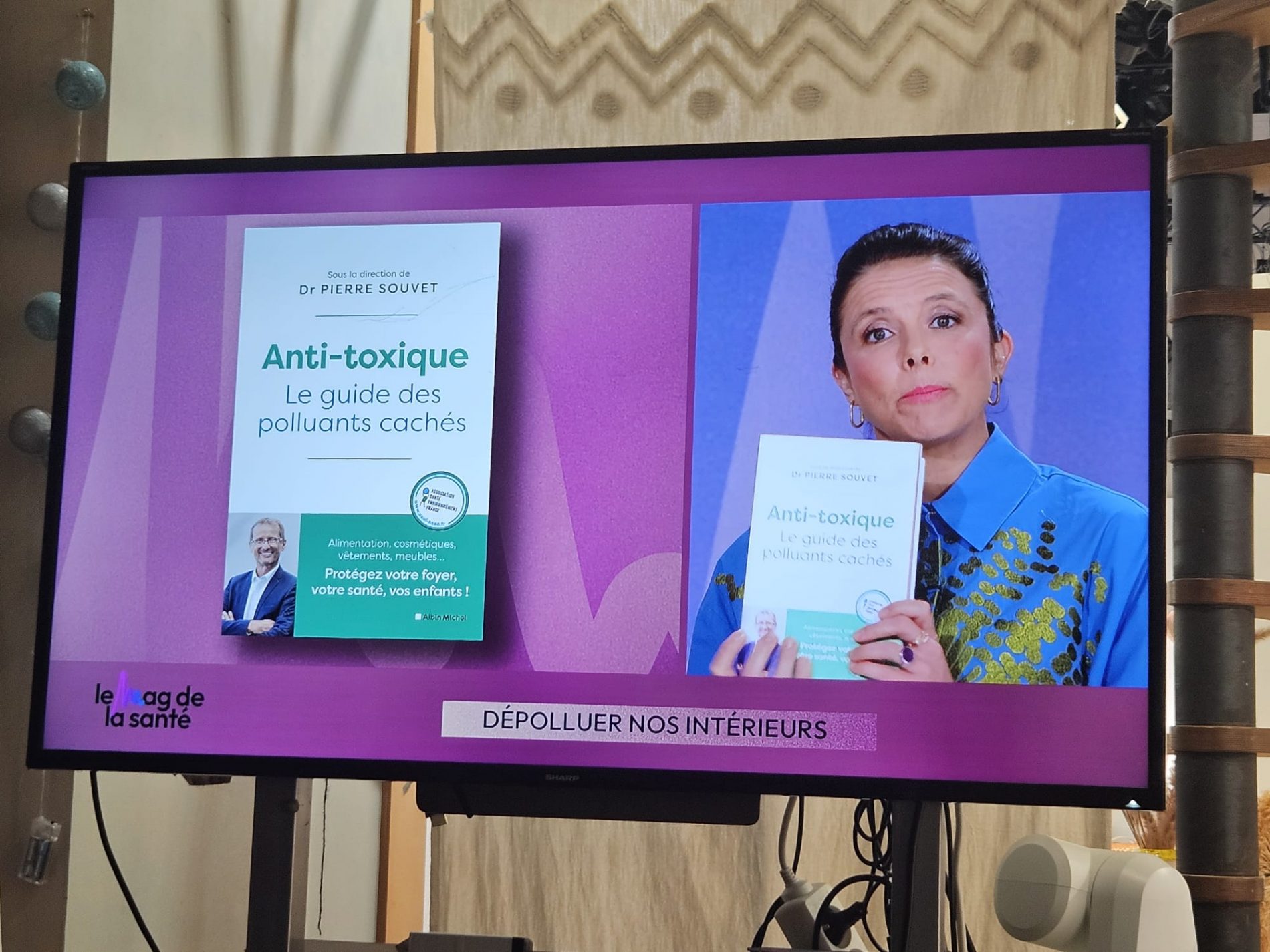
- April 8: An in-depth segment on Le Magazine de la Santé (France 5) explored the medical implications of long-term exposure to low-dose chemical mixtures, a concept known as the "cocktail effect."
- April 11: Dr. Souvet participated in an interview with RMC’s Anaïs Matin, focusing on the economic aspects of healthy eating and environmental protection.
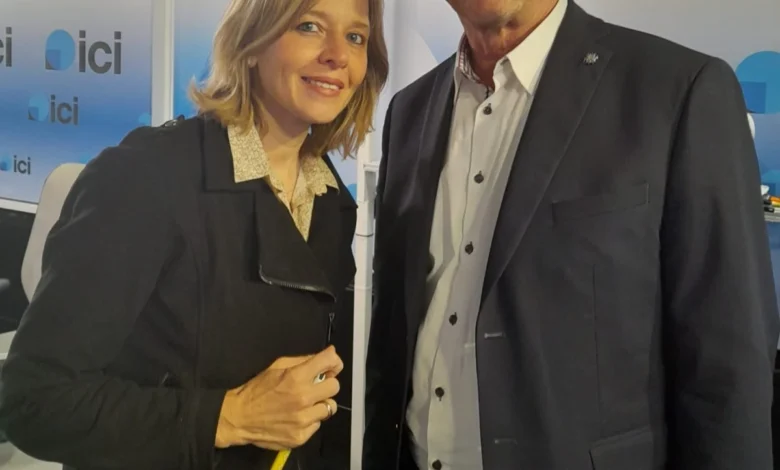
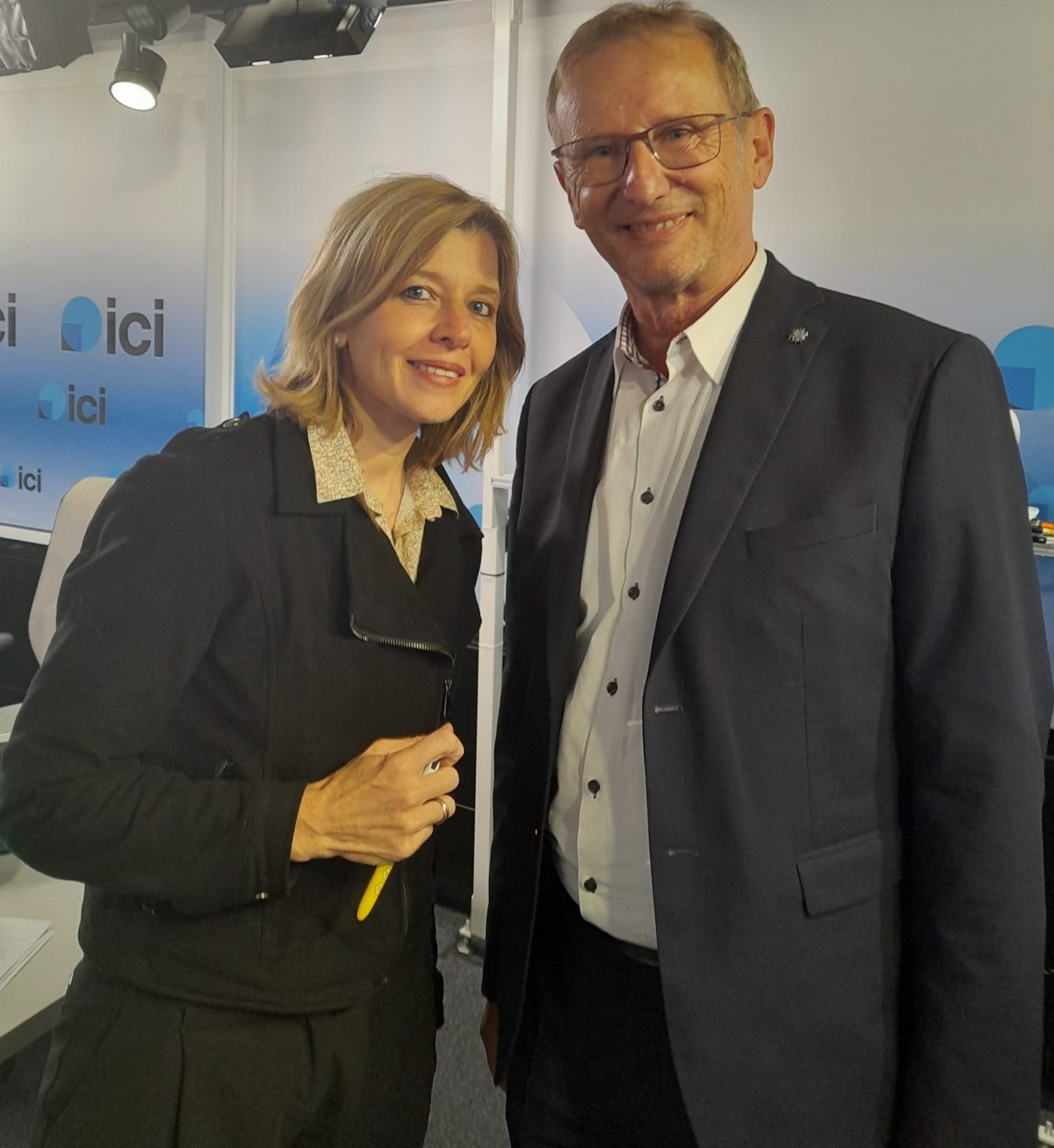
- April 14: A discussion on France Bleu’s Ici Paris with Wendy Bouchard centered on the specific pollutants found in urban environments and indoor air quality.
- April 15: The program Zoom Zoom Zen on France Inter featured a debate on the feasibility of living a "toxin-free" life in a modernized society.
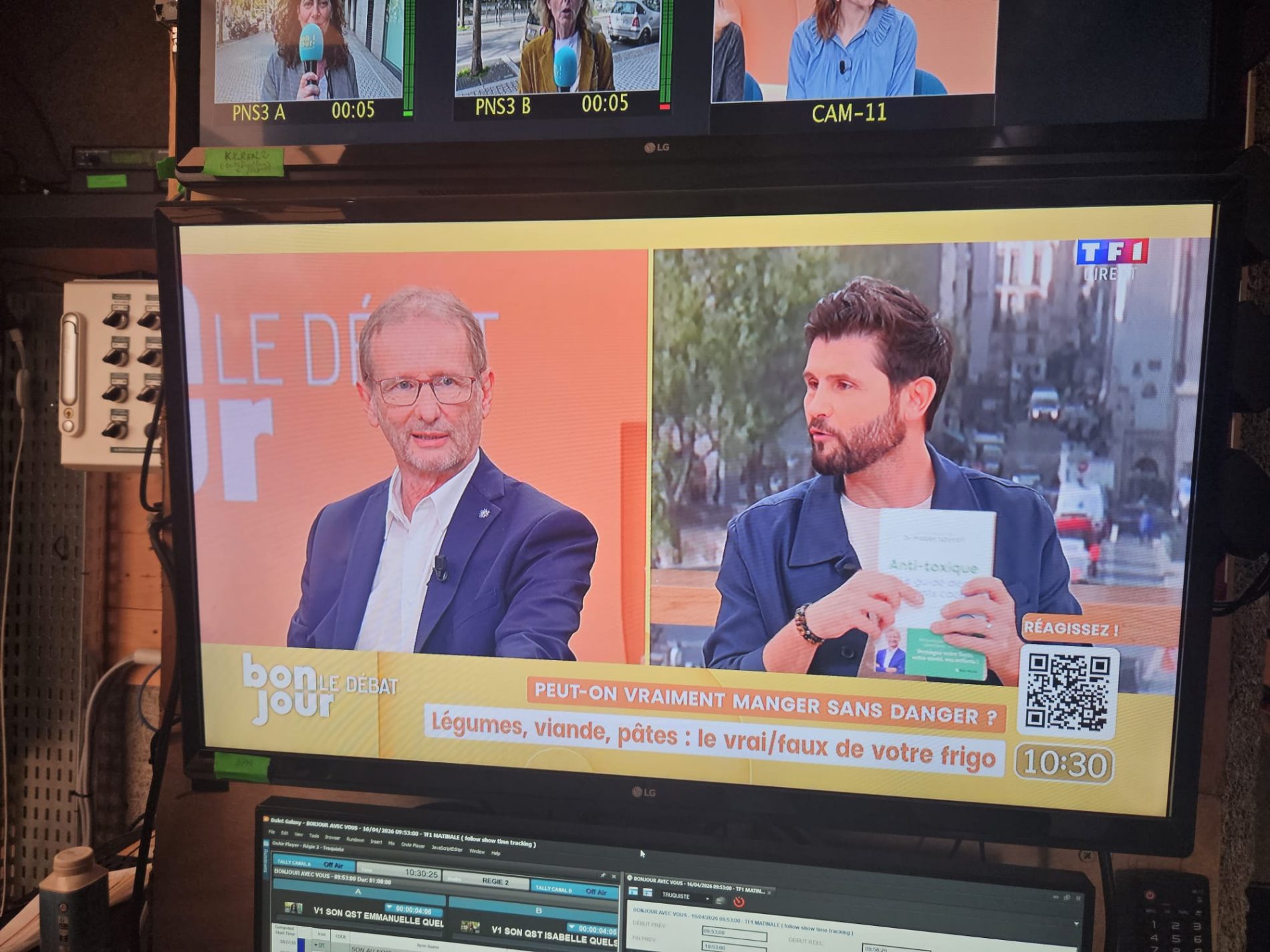
- April 16: A dual-media presence on TF1’s Bonjour! and France TV’s La Maison des Maternelles focused on the protection of infants and pregnant women from endocrine disruptors.
This sustained media presence indicates a growing institutional recognition of environmental health as a mainstream political and social issue, rather than a niche scientific concern.
Project PERFECT: PFAS, Bisphenols, and the Reproductive Crisis
The April 17 briefing also provides a summary of the results from Project PERFECT, a collaborative research initiative involving ASEF that investigated the impact of per- and polyfluoroalkyl substances (PFAS) and bisphenols on environmental health and human fertility.
PFAS, often referred to as "forever chemicals" due to their extreme persistence in both the environment and the human body, are widely used in waterproof textiles, non-stick cookware, and food packaging. Bisphenols, used in the production of plastics and resins, are well-documented endocrine disruptors.
The findings of Project PERFECT are particularly concerning regarding female fertility. The research suggests that cumulative exposure to these substances can significantly alter hormonal balance and reproductive health. A key takeaway from the study is the failure of "regrettable substitution"—the practice of replacing a banned chemical with a structurally similar one (such as replacing Bisphenol A with Bisphenol S). The research demonstrates that these substitutes often carry similar, if not identical, health risks, suggesting that regulatory frameworks must shift toward class-based bans of chemicals rather than focusing on individual molecules.
Environmental Impacts on Circadian Rhythms and Sleep Quality
Beyond chemical pollutants, ASEF has expanded its scope to include the "sensory pollution" of the modern environment. An article highlighted in the April brief explores the intricate relationship between the sleep-wake cycle and environmental factors.
Sleep is a physiological process governed by biological rhythms that are highly sensitive to external cues, particularly light. The ASEF report details how the modern environment—characterized by evening exposure to blue light from screens, noise pollution, and irregular work schedules—disrupts the natural alternation between light, deep, and REM sleep phases.
These disruptions are linked to long-term health consequences, including metabolic disorders, cognitive decline, irritability, and a weakened immune system. By framing sleep hygiene as an environmental health issue, ASEF emphasizes that public health strategies must account for the physical and sensory conditions of the spaces in which people live and work.
Institutional Advocacy and Digital Engagement
To sustain its operations and expand its reach, ASEF has entered the "Coup de pouce des internautes" (Internet Users’ Boost) competition organized by Lilo.org, a French solidarity-based search engine. The winner of this competition receives a high-visibility advertising campaign valued at 12,000 euros on the Lilo platform, which serves over 300,000 users.
This move into digital advocacy reflects a broader trend among non-governmental organizations to leverage ethical technology platforms for fundraising and public awareness. ASEF has called upon its supporters to participate in the vote, emphasizing that the prize would significantly bolster their ability to recruit new members and fund future research into environmental toxins.

Broader Implications and Future Outlook
The comprehensive nature of the April 17 briefs suggests that ASEF is positioning itself as a central node in the European environmental health movement. The data presented regarding cadmium and PFAS aligns with ongoing discussions in the European Parliament regarding the REACH (Registration, Evaluation, Authorisation, and Restriction of Chemicals) regulation and the proposed ban on PFAS.
The implications of these reports are twofold. First, they provide a scientific basis for consumers to make immediate changes to their lifestyle, such as prioritizing organic produce and reducing plastic use. Second, they serve as a call to action for policymakers to address the systemic sources of pollution, such as industrial agricultural practices and the lack of transparency in chemical manufacturing.
As the year 2026 progresses, the findings from Project PERFECT and the Anses cadmium report are expected to influence upcoming public health guidelines across the European Union. ASEF’s ongoing commitment to translating these scientific realities into public knowledge remains a critical component of the strategy to mitigate the long-term health impacts of the Anthropocene.